Walk down the narrow alleyways of Memory Lane in Yurakucho after midnight, and you'll find Tokyo's most compelling conversations aren't happening in conference rooms or galleries—they're happening over bowls of ramen and glasses of sake at cramped wooden counters seating no more than eight people.
This transformation marks a significant cultural shift. According to the Tokyo Metropolitan Government's 2025 cultural survey, 64% of creative professionals now cite dining experiences as primary sites of artistic collaboration and idea-sharing, surpassing traditional art venues. The restaurant counter—historically a transactional space—has become Tokyo's de facto creative hub.
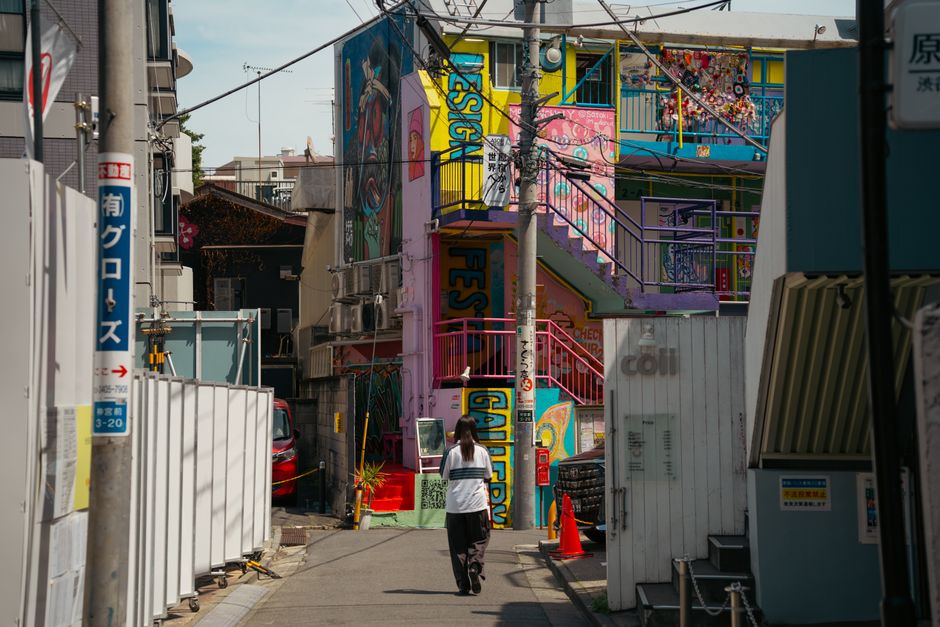
In Shibuya's underground Nonbei Yokocho alley, where neon signs cast amber light on establishments unchanged since the 1970s, young musicians, designers, and writers cluster around proprietors who've become unofficial curators of cultural discourse. The average meal costs ¥3,500-5,000, but the cultural capital exchanged is immeasurable. Similar microcosms exist throughout the city: the standing-room omakase bars of Toyosu, the natural wine pop-ups in Daikanyama, the experimental kitchens of Harajuku's Omotesando side streets.
What distinguishes Tokyo's current moment is the explicit philosophy behind these spaces. Establishments like those operated by the Slow Food Tokyo collective deliberately program artist residencies, live performance nights, and collaborative menu experiences. The Tsukiji Outer Market area, traditionally the city's culinary infrastructure backbone, has evolved into a creative commons where food entrepreneurs cross-pollinate ideas with fashion designers and architects.
The economic data reinforces this cultural reality. Tokyo's restaurant sector contributes ¥3.2 trillion annually to the metropolitan economy—a figure that has grown 18% since 2020, driven primarily by experiential and intimate dining concepts rather than large-scale establishments. The shift reflects deeper values: authenticity over efficiency, collaboration over consumption, process over product.
Even convenience store culture—7-Eleven, FamilyMart—has absorbed this ethos. Strategic partnerships with local chefs have transformed vending machine placement into curated taste-making interventions, accessible to the city's working artists and students.
What emerges is a distinctly Tokyo phenomenon: a city where gastronomy has transcended hospitality to become a legitimate artistic medium. The counter seats facing open kitchens aren't merely dining arrangements—they're stages where Tokyo's creative future performs itself into existence nightly, one conversation at a time.
This article was compiled by AI from the sources linked above and screened before publishing. See our editorial standards.