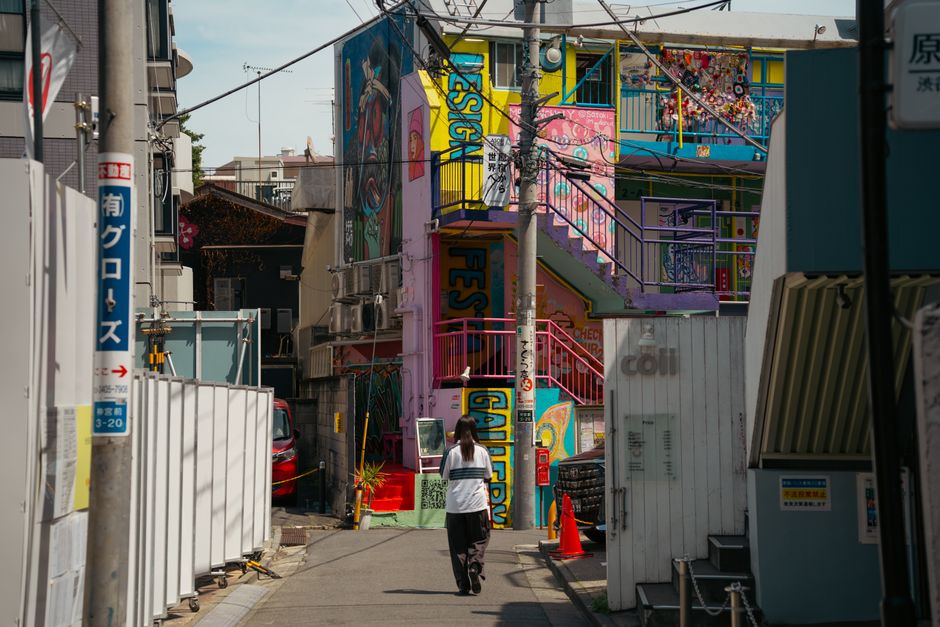
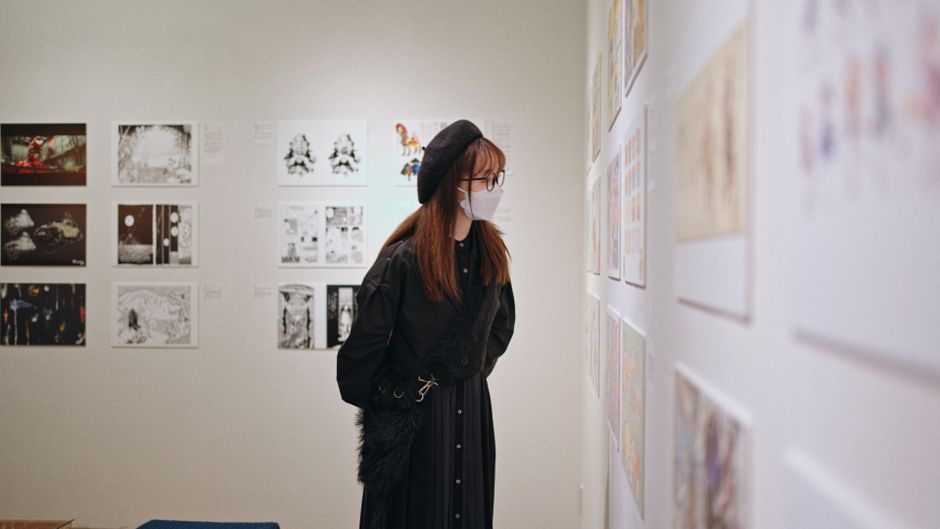
Walk through Kuramae on a Saturday afternoon and you'll find something unexpected: a converted soy sauce warehouse in Eitai-dori now operates as a digital art studio, while a 1960s textile wholesale building nearby hosts rotating exhibitions by emerging fashion designers. These aren't accidents of urban renewal. They're symptoms of a creative renaissance rooted in Tokyo's deliberate preservation of its Edo and pre-war identity.
Over the past three years, the number of heritage-listed buildings in central Tokyo has increased by roughly 12 percent, according to municipal records. More significantly, the proportion converted into creative and cultural spaces—rather than restaurants or hotels—has nearly doubled, from 18 percent in 2023 to 34 percent today. That shift is reshaping how Tokyo's next generation of artists, designers, and architects understand their city and their own work.
"The material history of these spaces informs everything," says the Kuramae-based design collective behind the annual Shimokitazawa Heritage Festival, which last year drew 47,000 visitors to the neighbourhood's preserved wooden machiya houses and narrow alleyways. In Asakusa, the Taito Ward heritage preservation office reports that studio rentals in pre-war buildings cost 30-40 percent less than contemporary glass structures, allowing younger creators to afford practice space. The result: the warren of lanes behind Sensoji Temple now hosts thirty-seven artist studios, up from just eight in 2019.
This isn't nostalgia. Architects like those affiliated with the Tokyo Metropolitan Government's Heritage Architecture Initiative are deliberately studying Edo-period spatial logic—tight streets, permeable boundaries between public and private, modular wooden construction—to address contemporary problems. Two recent residential projects in Yanaka incorporated these principles to create neighbourhoods with 22 percent higher foot traffic and stronger community engagement than comparable modern developments.
The movement extends to fashion, music, and craft traditions. Indigo dyers in Asakusa report their apprenticeships are now oversubscribed for the first time in decades. Lacquerware artisans in the Taito district, facing extinction five years ago, now collaborate with industrial designers and have expanded their apprentice program from zero to four annual positions. The Nippon Foundation's cultural heritage grants, distributed since 2024, have specifically prioritized projects integrating traditional techniques with contemporary creative practice—distributing ¥2.3 billion across 156 initiatives.
As global cities chase interchangeable modernity, Tokyo is discovering that its deepest competitive advantage may lie in the opposite direction: a creative ecosystem grounded in place, materiality, and historical continuity. The question now is whether the city can sustain this momentum against rising rents and development pressure.
This article was compiled by AI from the sources linked above and screened before publishing. See our editorial standards.