Your Complete Guide to Tokyo's Best Restaurant and Bar Experiences Right Now
From hidden izakayas in Shinjuku to craft cocktail dens in Shimokitazawa, here's where Tokyo's food and drink scene is heading this summer.
From hidden izakayas in Shinjuku to craft cocktail dens in Shimokitazawa, here's where Tokyo's food and drink scene is heading this summer.
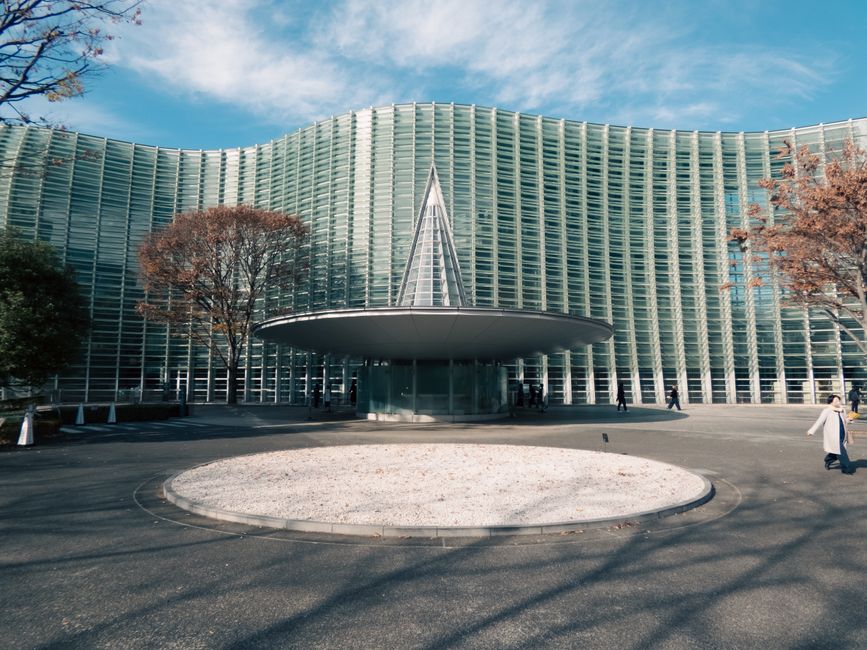
Tokyo's restaurant landscape has undergone a quiet revolution in the past eighteen months. While international chains proliferate in Shibuya and Shinjuku, the city's most compelling dining experiences are happening in neighbourhoods that reward curiosity and local knowledge.
Start in Shinjuku's backstreet alleys—particularly the warren of establishments tucked beneath the railway arches near Omoide Yokocho. These traditional izakayas, many family-run for decades, remain some of the city's most authentic gathering spaces. Expect to pay ¥3,000–¥5,000 per person for grilled chicken skewers, sake, and the kind of convivial atmosphere that defines Tokyo's social fabric. The demographic here skews heavily toward salarymen and locals; tourists remain rare, which is precisely the point.
Harajuku's Takeshita-dori may draw crowds, but venture instead into the quieter Omotesando vicinity, where a new generation of chef-owners is reimagining Japanese cuisine without pretension. Small counter-style restaurants focusing on seasonal ingredients—the kind where you might sit elbow-to-elbow with a construction worker and a fashion designer—have become Tokyo's de facto temples of gastronomy. Budget ¥4,000–¥8,000 for lunch, ¥8,000–¥15,000 for dinner.
The craft cocktail scene has migrated decisively away from Roppongi's overpriced hotel bars toward Shimokitazawa and Koenji, where independent operators run tight, knowledge-driven establishments. These venues—rarely larger than fifteen seats—command respect for their technique and ingredient sourcing. A well-made cocktail costs ¥1,500–¥2,500, and bartenders expect genuine engagement rather than Instagram moments.
For something distinctly contemporary, the Ginza Six complex and surrounding blocks now host a cluster of kaiseki restaurants and modernist dining experiences that blend tradition with experimentation. These represent Tokyo's luxury dining tier, where expectations of service and precision are rightly exacting. Budget accordingly: ¥15,000–¥30,000 minimum.
The most revealing metric of Tokyo's food culture right now may be the proliferation of standing sushi bars and ramen specialist shops in unexpected neighbourhoods. Minato, Chiyoda, and Bunkyo wards have seen explosive growth in hyper-focused restaurants—some dedicated entirely to tonkotsu ramen, others to a single fish or preparation method. These establishments represent Tokyo's culinary democracy: excellence without ceremony, accessible to anyone willing to queue.
Visit between 11 a.m. and 11 p.m., respect unwritten ordering protocols, and resist the urge to photograph every plate. Tokyo's food culture thrives on participation, not documentation.
This article was compiled by AI from the sources linked above and screened before publishing. See our editorial standards.
How does this story make you feel?
Spread the word
About this article
Published by The Daily Tokyo
Daily brief
Free, in your inbox before 7am. Weekdays.
More in culture