Tokyo's Street Art Renaissance: What Visitors Need to Know and Where to Look
From Shibuya's legal walls to Harajuku's underground galleries, Tokyo's creative districts are reshaping urban culture—here's your essential guide.
From Shibuya's legal walls to Harajuku's underground galleries, Tokyo's creative districts are reshaping urban culture—here's your essential guide.
Tokyo's street art scene has evolved dramatically over the past decade, transforming from underground practice into a respected cultural movement. Today's visitors will discover vibrant creative districts where graffiti, muralism, and installation art coexist with centuries-old temples and neon-lit commerce. Understanding where to go and what to expect is essential for anyone serious about Tokyo's contemporary visual culture.
Shibuya's Yotsuya-kaidan area, tucked behind the famous crossing, has become ground zero for legal wall art. The Tokyo Walls project—a partnership between local government and artists—maintains designated spaces where creators work year-round. Unlike most cities, permission here is relatively straightforward; murals rotate seasonally, attracting international and domestic artists. Expect to see work ranging from photorealistic portraiture to abstract geometric designs. Entry is free, though the surrounding cafes and shops offer perfect rest stops.
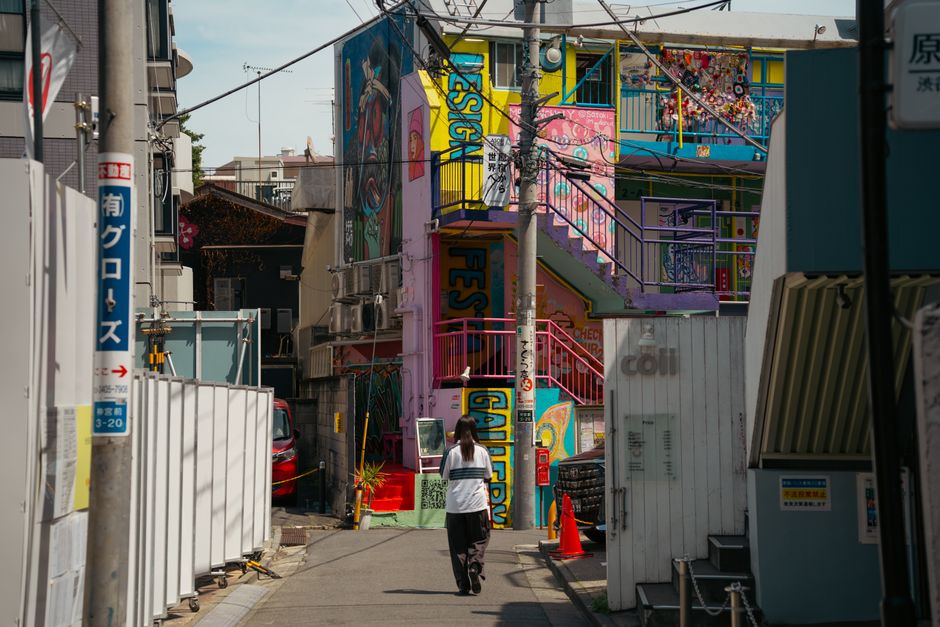
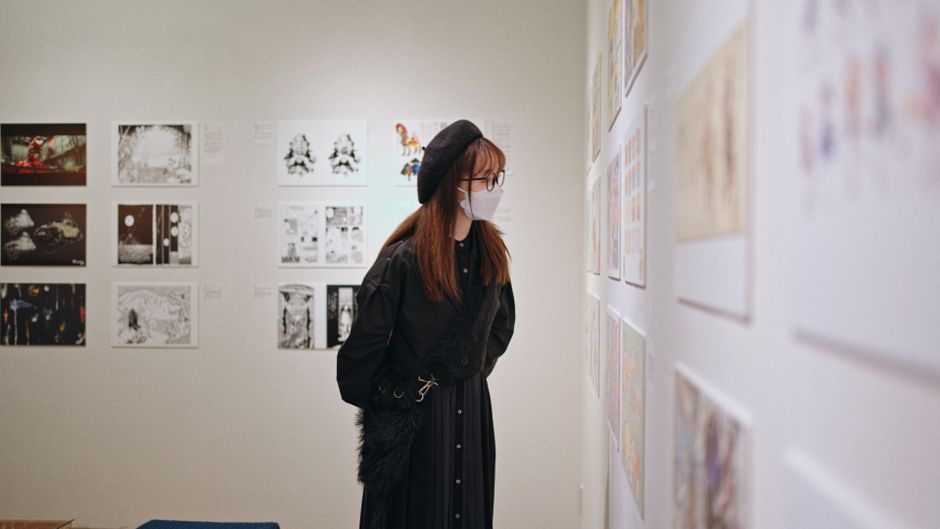
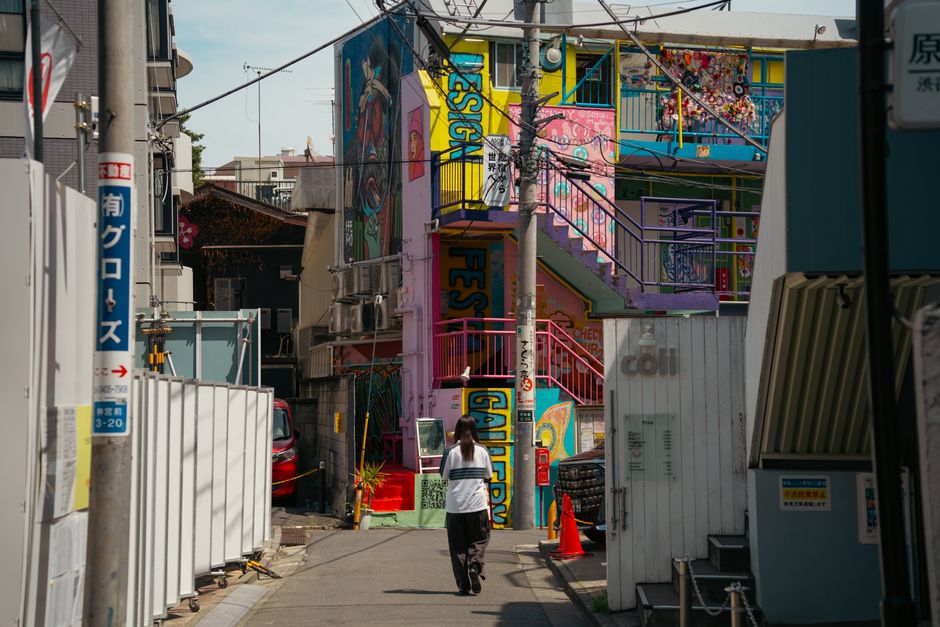
Harajuku's Omotesando and Cat Street corridors house a different breed of street culture. Here, independent galleries tucked into narrow alleyways showcase emerging artists working across media—from wheat-paste installations to projection-based interventions. The Laforet Harajuku building's exterior regularly features commissioned work, while smaller venues like Hidari Zingaro operate on artist-run principles, with pieces changing monthly. Budget ¥500–1,500 (USD $3–10) if exploring paid exhibitions.
For something more experimental, Shimokitazawa's theater district has embraced artist collectives. The neighborhood's residential walls, with owner permission, display collaborative murals reflecting themes from Japanese folklore and contemporary social commentary. This area thrives on grassroots energy rather than corporate sponsorship—a crucial distinction for understanding Tokyo's creative ethos.
Practical tips: Most outdoor walls are best photographed in morning light. Shibuya's legal zones get crowded after 5 p.m. when office workers cross through. Respect boundaries—not all decorated walls are street art; some are architectural decoration or private property. The Tokyo Metropolitan Government's official street art map, available in English at major train stations, identifies sanctioned areas.
Unlike Western graffiti cultures, Tokyo's scene emphasizes technical skill and permission-based practice. This reflects broader cultural values around order and respect for shared space. For visitors, this means accessing world-class contemporary street work without the grit of lawless urban decay—a distinctly Tokyo experience worth understanding beyond the Instagram moment.
This article was compiled by AI from the sources linked above and screened before publishing. See our editorial standards.
How does this story make you feel?
Spread the word
About this article
Published by The Daily Tokyo
Daily brief
Free, in your inbox before 7am. Weekdays.
More in culture