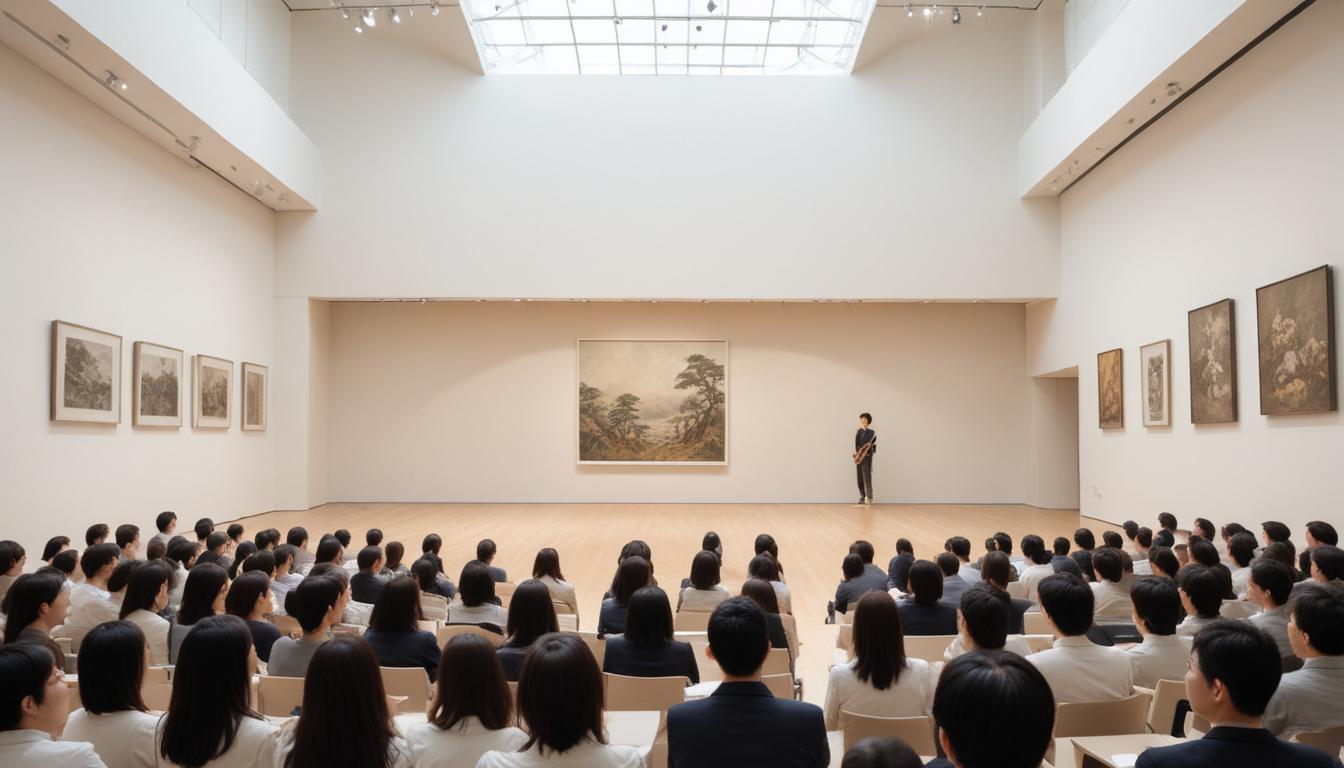
Walk through Roppongi's gallery corridor on any given Thursday evening, and you'll notice a shift. The white-box aesthetic that dominated the past two decades is giving way to something messier, more urgent. Artist collectives are commandeering basements in Shimokitazawa. Independent curators are staging pop-ups in abandoned pachinko parlours across Harajuku. And institutional gatekeepers—from the Museum of Contemporary Art Tokyo to the smaller nonprofits dotting Ginza's side streets—are scrambling to identify which emerging voices might define the next wave.
The numbers tell part of the story. According to a 2025 Arts Council Japan survey, galleries exhibiting artists under 35 increased by 23 percent across Tokyo's five major art districts. Simultaneously, attendance at commercial galleries dropped 8 percent year-on-year, while alternative spaces reported a 31 percent surge. The implication is clear: emerging talent is no longer waiting for establishment validation.
Consider the trajectory of collectives like those clustered in Kuramae—a neighbourhood that five years ago attracted few beyond textile wholesalers. Today, artist-run spaces occupy converted warehouses alongside established names. Entry fees hover around ¥500 to ¥1,200, sharply undercutting Ginza's traditional ¥1,500-2,000 premium. The economics matter. Young creators, priced out of central locations, are building audiences in zones that legacy institutions overlooked.
Curators working with institutional resources report a deliberate reorientation. Rather than poaching established mid-career artists, programming committees are dedicating 40-50 percent of calendar slots to artist-in-residence schemes and open-call exhibitions. The Museum of Contemporary Art Tokyo's recent pivot toward process-based and participatory work reflects this broader shift—a recognition that emerging audiences expect art spaces to function as platforms for experimentation, not just display.
What distinguishes this wave isn't medium or geography alone. It's sensibility. These voices tend toward collaboration, social engagement, and deliberate opacity about commercial viability. Digital art, textile work, sound installation, and performance-based practice dominate emerging rosters. Traditional painting, while present, occupies a secondary position—a notable departure from Tokyo's postwar institutional DNA.
The next two years will test whether this momentum sustains. Summer 2026 programming across Roppongi, Ginza, and the emerging spaces of Kuramae and Shimokitazawa will reveal whether museums genuinely commit to nurturing emerging voices or retreat to safer, more marketable names. For now, the energy is unmistakable: Tokyo's creative future is being written not by institutions alone, but by a distributed ecosystem of artists, independent curators, and cultural entrepreneurs who refused to wait.
This article was compiled by AI from the sources linked above and screened before publishing. See our editorial standards.