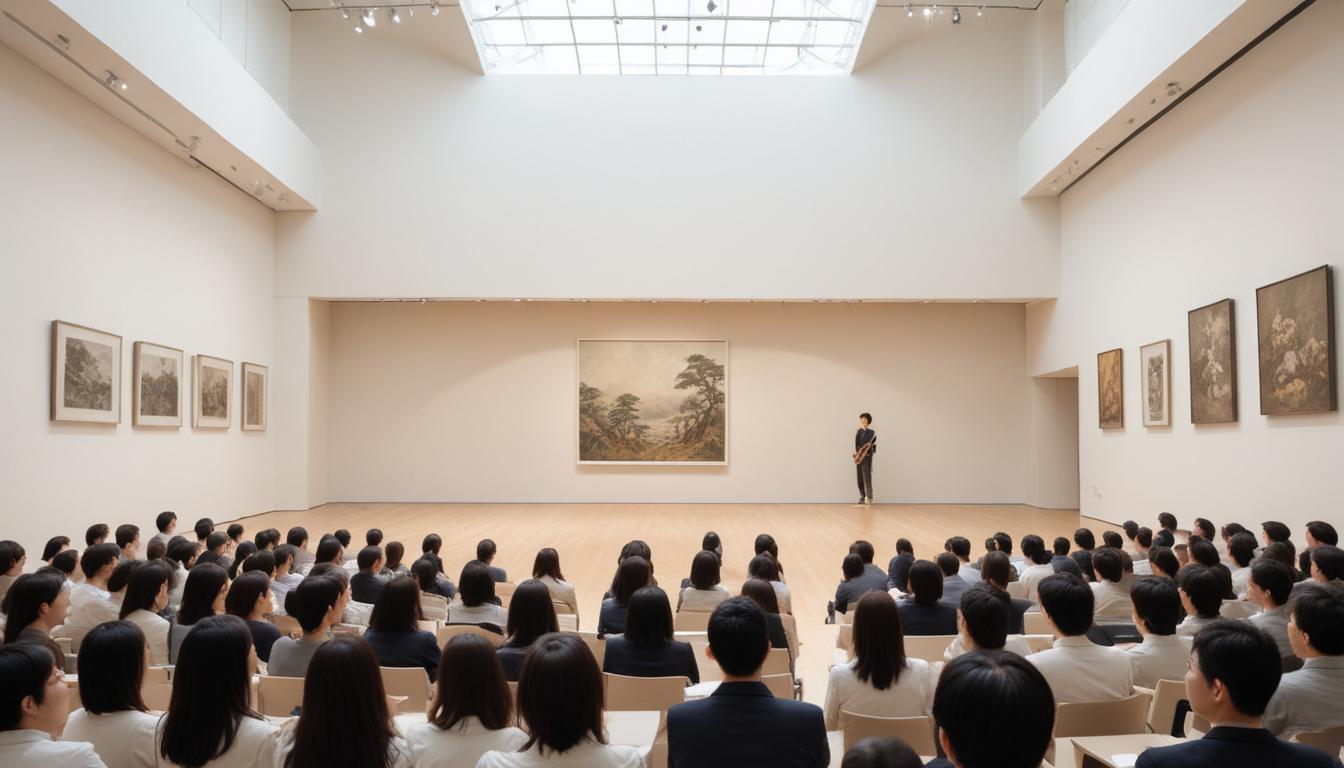
How a Forgotten Shibuya Collective Revived Tokyo's Summer Festival Scene
Meet the artists and community organisers who transformed a shuttered shopping arcade into the city's most anticipated summer gathering.
Meet the artists and community organisers who transformed a shuttered shopping arcade into the city's most anticipated summer gathering.
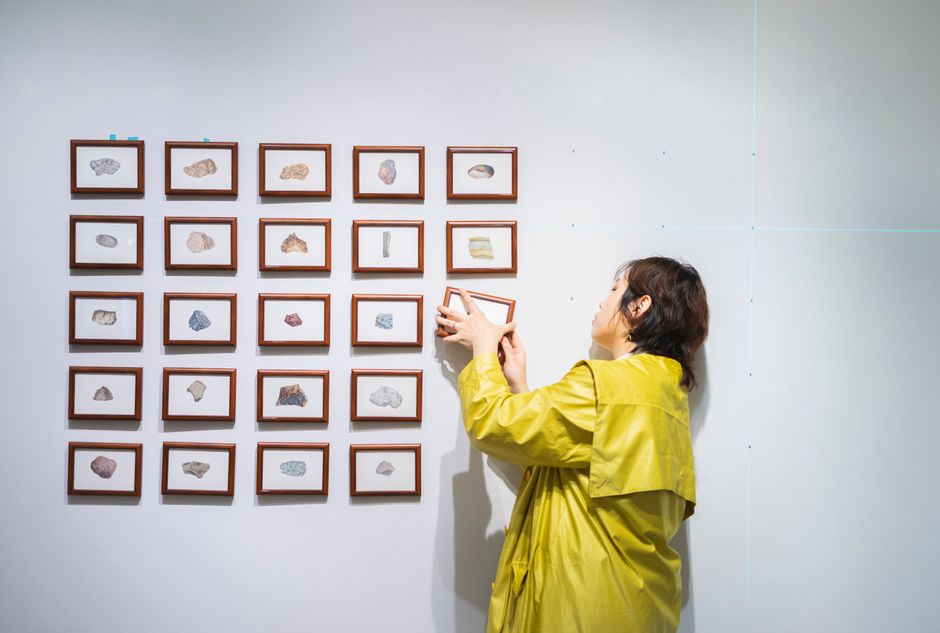
When Keiko Yamamoto first proposed turning the abandoned Centro Shibuya arcade—vacant since 2019—into a cultural venue, most dismissed the idea. The three-storey building on Meiji-dori had become a symbol of post-pandemic commercial decline, its shuttered storefronts collecting dust while foot traffic dwindled. Yet today, as the Hyakkaten Summer Festival enters its fourth year, the space pulses with over 15,000 visitors each weekend, drawing international media attention and revitalising a neighbourhood that many had written off.
The transformation began modestly. Yamamoto, a 52-year-old ceramicist and former gallery owner, partnered with Tomás García, a Brazilian-Japanese musician and community organiser, and architect Hiroshi Tanaka in late 2022. Their collective, unnamed by design, operated on a volunteer basis, securing a three-year renewable lease from the building's investment group for ¥800,000 monthly—significantly below market rate, a decision the landlord made after witnessing the group's impact on the neighbourhood.
"We wanted to create something that didn't feel like Tokyo," García explained during a recent rehearsal space tour. The group's strategy proved counterintuitive: rather than importing established festival formats, they embedded themselves in Shibuya's overlooked communities—elderly residents, migrant workers, independent artists—conducting over 200 interviews across six months. These conversations shaped the festival's DNA.
The result defies easy categorisation. The Hyakkaten Summer Festival (hyakkaten means "hundred stores" in Japanese, referencing the arcade's original purpose) blends traditional Bon Odori dancing, contemporary art installations, craft markets, and live music across reclaimed retail spaces. Entrance is free; revenue comes from food vendors and merchandise, with 40% of profits reinvested into neighbourhood initiatives.
This year's edition runs July 18-August 31, transforming five floors into distinct zones. The basement hosts a 200-capacity experimental music venue; ground floor features a rotating artist residency programme; upper levels showcase work from thirty emerging designers. Notably, the collective has partnered with three local nursing homes, incorporating residents' memories and artistic contributions into the programme.
The festival's success has attracted interest from Tokyo's ward office, which recently allocated ¥5 million in cultural development funding to support expansion. Yet Yamamoto remains cautious about scaling. "Growth isn't the goal," she stated during our visit. "Sustainability is. We're trying to prove that community investment returns value—not just economically, but culturally."
As Tokyo's cultural calendar grows increasingly corporate and algorithmically driven, the Centro Shibuya collective offers a quieter alternative: one built patiently, from below, by people who refused to accept a neighbourhood's abandonment as inevitable.
This article was compiled by AI from the sources linked above and screened before publishing. See our editorial standards.
How does this story make you feel?
Spread the word
About this article
Published by The Daily Tokyo
Daily brief
Free, in your inbox before 7am. Weekdays.
More in culture