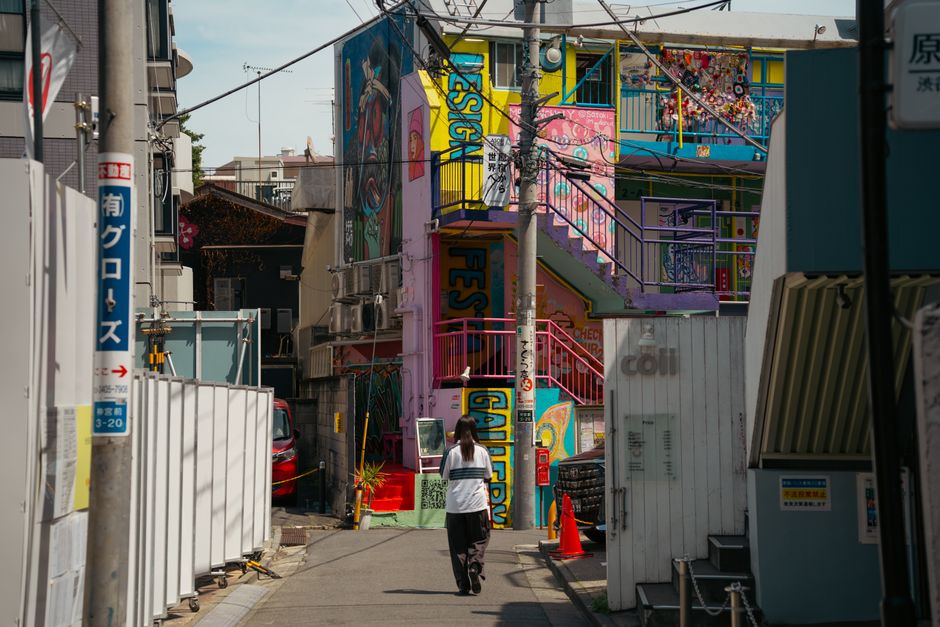
Walk through Shimokitazawa on a Saturday morning and you'll notice the walls have changed. Gone are the random tags of the early 2000s; in their place are intricate murals that feel less like vandalism and more like sanctioned public galleries. This shift reflects a broader maturation in Tokyo's street art scene, where emerging artists are gaining institutional recognition while maintaining the rebellious spirit that defined earlier waves.
The transformation accelerated following the 2020 Olympics, when neighbourhood associations and local governments began commissioning works for pedestrian underpasses and warehouse facades. Today, artists aged 25-35 dominate the emerging tier, working through formal channels while experimenting with techniques borrowed from digital art, textile design, and even kinetic sculpture. The economic model has shifted too: established galleries like Hidari Zingaro in Shimokitazawa now host quarterly exhibitions exclusively featuring street artists transitioning to studio practice, with works priced between ¥80,000 and ¥450,000.
Harajuku's Meiji-dori corridor and the less-touristy alleys near Omotesando have become testing grounds for what critics call "neo-maximalism"—densely layered compositions that contrast sharply with the minimalist aesthetics that dominated Japanese design for decades. Artists working here frequently cite influences ranging from manga and anime to traditional ukiyo-e printing, creating a visual language distinctly Tokyo yet globally accessible.
What distinguishes this generation from predecessors is their institutional fluency. Many studied at established art schools like Tokyo University of the Arts or completed residencies through organizations like the Meguro Art Square. Yet they've rejected the gallery-only career path, instead treating street art as a legitimate primary practice rather than stepping stone. Social media has accelerated their visibility; a single Instagram post of a completed mural can generate 50,000+ interactions within 24 hours, translating directly into commission inquiries.
The creative districts themselves have become gentrification flashpoints. Shimokitazawa's transformation from bohemian enclave to designer-cafe hotspot has pushed some artists toward Kuramae and Yanaka, where rents remain accessible and warehouse space abundant. Community tensions periodically surface—landlords and residents clash over artistic freedom versus property values—but municipal governments have largely sided with preserving artistic expression, allocating ¥2.3 billion annually across five wards for street art infrastructure and artist development programs.
For now, Tokyo's street art scene remains elastic enough to accommodate both commercialized aesthetics and genuinely experimental work. The next three years will prove crucial in determining whether emerging artists can sustain their momentum without compromising the creative authenticity that attracted international attention in the first place.
This article was compiled by AI from the sources linked above and screened before publishing. See our editorial standards.