The Grassroots Rebellion Reshaping Tokyo's Theatre Scene
A new generation of independent producers is transforming intimate venues across Shimokitazawa and Harajuku, challenging the dominance of corporate theatre chains.
A new generation of independent producers is transforming intimate venues across Shimokitazawa and Harajuku, challenging the dominance of corporate theatre chains.
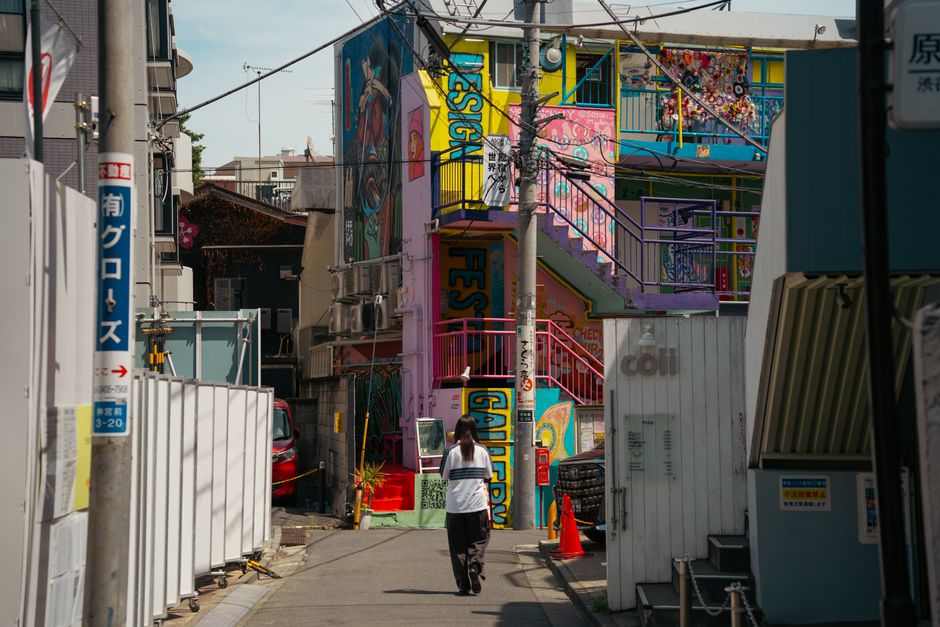
Walk down Meiji-dori on any given Thursday evening, and you'll notice something shifting in Tokyo's cultural landscape. Smaller theatres—many seating fewer than 200 people—are drawing crowds that rival the massive commercial complexes. This isn't accident. It's the result of a deliberate, organised movement by independent theatre collectives who have decided that intimate, experimental work matters more than profit margins.
Shimokitazawa, historically Tokyo's bohemian heart, has become ground zero for this renaissance. Over the past three years, the neighbourhood has seen a 34% increase in independent theatre registrations, according to data from Tokyo's Culture Bureau. Venues like those clustered around the narrow streets near Shimokitazawa Station—spaces that operate with shoestring budgets and volunteer labour—are now hosting productions that tackle contemporary Japanese identity, gender politics, and urban alienation with a frankness that mainstream theatre rarely permits.
The economics are brutal. A typical independent production here runs on budgets between ¥800,000 and ¥2 million, with ticket prices fixed at ¥2,500 to ¥3,500. Yet audiences are showing up. Performance collectives like those emerging from Harajuku's underground studio spaces report sustained attendance, driven largely by word-of-mouth and social media coordination rather than traditional advertising.
What distinguishes this moment is organisational sophistication. Unlike the scattered avant-garde movements of previous decades, today's independent producers have formed loose networks—sharing technical expertise, distributing promotional costs, and collectively advocating for rent control in gentrifying areas. Several collectives now operate on cooperative models, with performers and directors sharing decision-making authority and revenue.
The Shinjuku Performing Arts Centre and similar institutional venues have begun partnering with these grassroots organisations, providing equipment and technical support. It's a compromise: institutions gain cultural credibility and access to innovative work; independents gain resources and visibility.
Not everyone celebrates this shift. Traditional theatre companies, accustomed to controlling Tokyo's cultural narrative, worry about fragmentation. Yet the numbers suggest something irreversible is occurring. Last month, independent theatre productions collectively drew approximately 15,000 attendees across greater Tokyo—comparable to attendance at several major corporate theatre chains.
For a city often characterised by conformity and corporate influence, this decentralisation of cultural production feels genuinely radical. It suggests that Tokyo's artistic future may belong not to institutions, but to communities willing to build something from nothing.
This article was compiled by AI from the sources linked above and screened before publishing. See our editorial standards.
How does this story make you feel?
Spread the word
About this article
Published by The Daily Tokyo
Daily brief
Free, in your inbox before 7am. Weekdays.
More in culture
