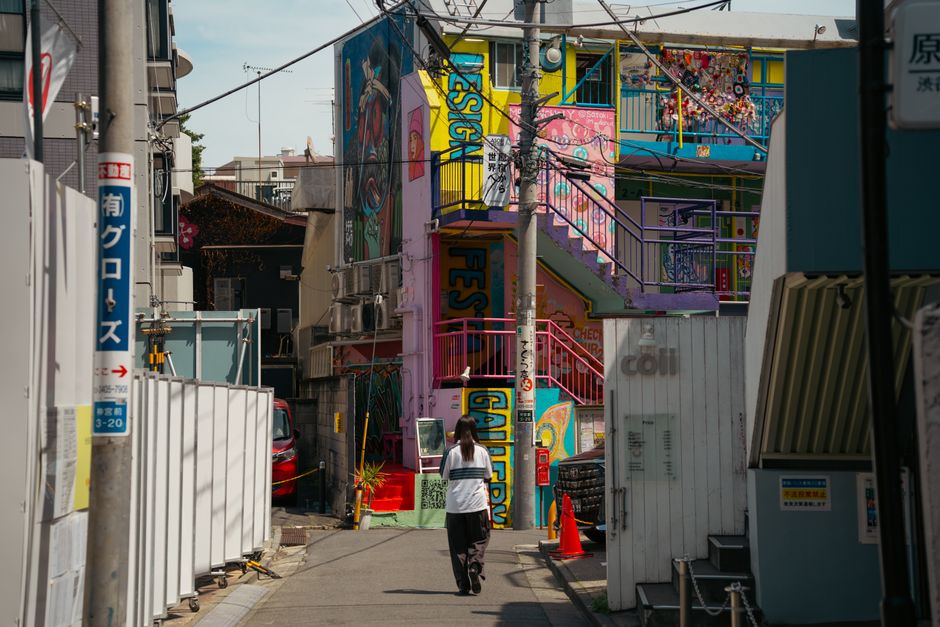
Walk down Omotesando these days and you'll notice something has shifted. The polished flagship stores that once dominated Tokyo's fashion consciousness are quieter, while the narrow backstreets of Harajuku and Shimokitazawa buzz with a different energy entirely. This isn't nostalgia—it's a fundamental recalibration of how Tokyo's fashion world sees itself.
For decades, Japanese designers aspired to the Paris-Milan axis, treating Tokyo as a home base before crossing oceans for validation. But in 2026, a new generation is rejecting that narrative entirely. Data from the Tokyo Metropolitan Government's Creative Industries Division shows that independent fashion labels launched in Harajuku have grown 34% year-on-year, while traditional apparel companies' presence on Omotesando has shrunk by 12%. The numbers tell a story Tokyo's fashion community is discussing intensely.
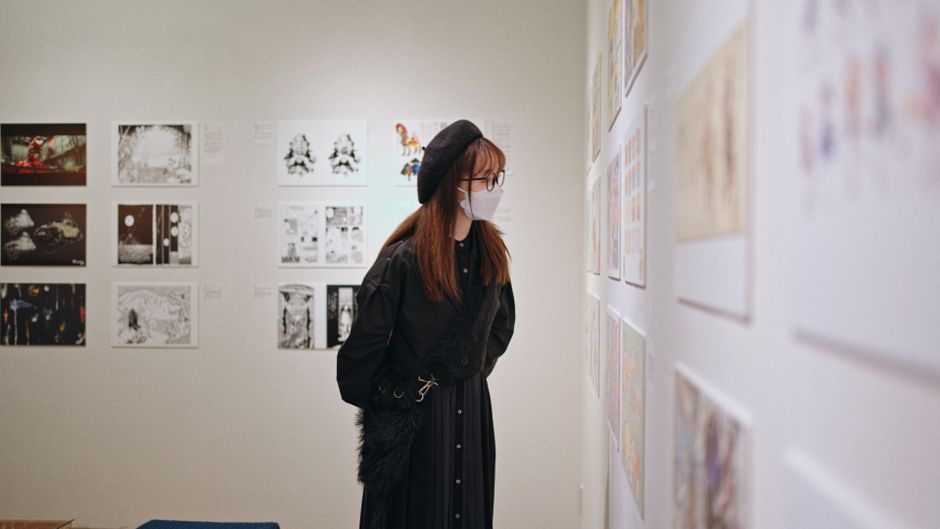
The shift is visible in concrete terms. Rent in Harajuku's Takeshita-dori area has plateaued while nearby Meiji-dori sees young designers clustering in converted wooden buildings, paying ¥180,000-250,000 monthly for shared ateliers—a fraction of luxury district prices. Venues like Vacant in Shimokitazawa and smaller galleries in Koenji are hosting weekly showcases that attract international buyers who previously waited for Paris Fashion Week. One emerging designer collective reported securing 40% of their annual revenue directly through Instagram collaborations and pop-up events within Tokyo, compared to 8% five years ago.
What's driving this? Partly practical—the post-pandemic skepticism toward traditional fashion calendars never fully faded. But deeper cultural currents matter more. Gen-Z Japanese designers see no reason to chase gatekeepers when direct global audiences exist. The intimacy of neighbourhood-based creative spaces feels more authentic than sterile showrooms. TikTok and Instagram have democratised visibility; a Harajuku studio's livestream reaches more eyes than a Milan presentation.
The Tokyo Metropolitan Foundation for History and Culture has begun documenting this shift, recognising it as a turning point for Japan's creative economy. Fashion weeks are being reconsidered—Japan Fashion Week attendance dropped 18% this year as smaller, hyper-local events proliferated.
For locals, this means something intangible but real: Tokyo is no longer chasing external validation. The city's creative energy, long siphoned toward overseas markets, is turning inward and finding it sufficient. Whether this represents a sustainable model or a cyclical trend remains debated in design circles. But what's undeniable is that in mid-2026, the conversation about Japanese fashion has fundamentally moved home.
This article was compiled by AI from the sources linked above and screened before publishing. See our editorial standards.