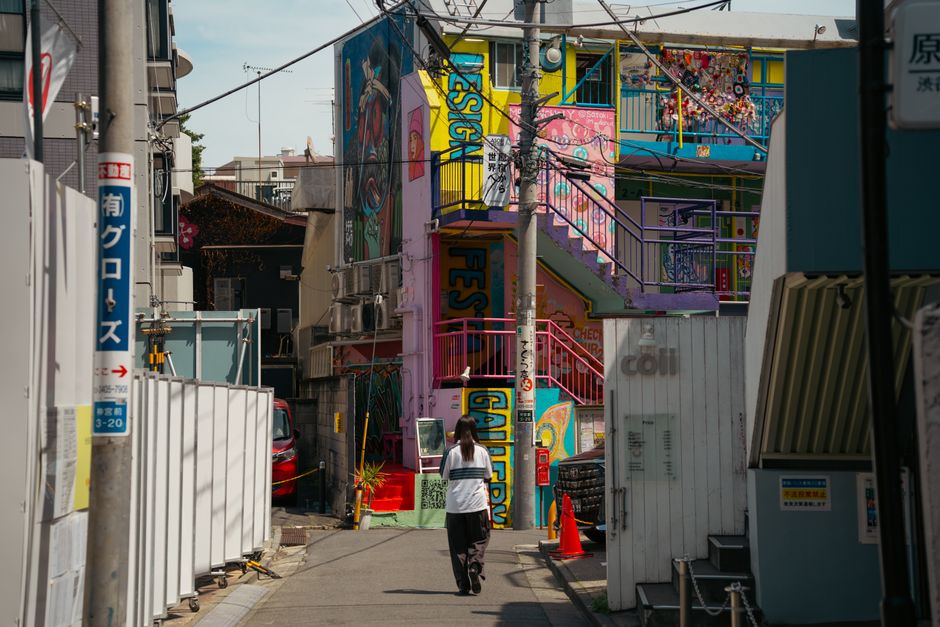
Walk through Harajuku on a Saturday evening and you'll notice something shifting beneath the neon glow of global brands. In narrow alleyways behind the main drag, independent fashion collectives are hosting pop-ups that draw hundreds. The energy feels less like shopping and more like a cultural uprising.
This isn't accidental. Over the past three years, a loose but deliberate community of emerging designers—most in their twenties and thirties—has systematically challenged Tokyo's traditional gatekeeping structures. Where the industry once demanded runway prestige or corporate backing, these creators are building legitimacy through community, collaboration, and raw social media reach.
The numbers tell the story. According to the Tokyo Fashion Week Foundation, applications from independent designers have increased 67% since 2023, with roughly 340 unaffiliated creators now registering annually. Meanwhile, foot traffic in Omotesando's smaller studio complexes—where monthly rent ranges from ¥80,000 to ¥180,000—has tripled, suggesting younger designers are choosing proximity to peers over prime retail real estate.
The movement crystallises around specific hubs. Ura-Harajuku (the quieter backstreets around Meiji-dori) has become a de facto creative district, with collectives like KODO and Void Studios hosting monthly showcases that blend fashion with music, performance art, and social commentary. Shibuya Parco's Design Loft, relaunched in 2024, now dedicates 40% of its space to emerging talent, a dramatic shift from its previous corporate-heavy roster.
What distinguishes this movement is its explicit rejection of homogeneity. Designers interviewed across various collectives consistently emphasise sustainability, local manufacturing partnerships with Asakusa textile producers, and intentionally limited production runs. The aesthetic emerging isn't a unified trend but a deliberate pluralism—maximalist alongside minimalist, gender-experimental alongside traditional, all coexisting without hierarchy.
Online platforms amplify this. Instagram and TikTok have become equalising forces; a designer posting from a 20-square-metre Shinjuku studio can accumulate the same audience as an established house. Several emerging designers now sell directly via Discord communities and limited-drop platforms rather than pursuing traditional wholesale.
Industry gatekeepers have noticed. Last month, the Japan Fashion Association announced a new mentorship programme specifically targeting independent creators, signalling institutional acknowledgment of this shift's inevitability.
For Tokyo's creative class, the message is clear: legitimacy no longer flows downward from established power. It emanates from community, persistence, and the willingness to operate outside traditional channels.
This article was compiled by AI from the sources linked above and screened before publishing. See our editorial standards.