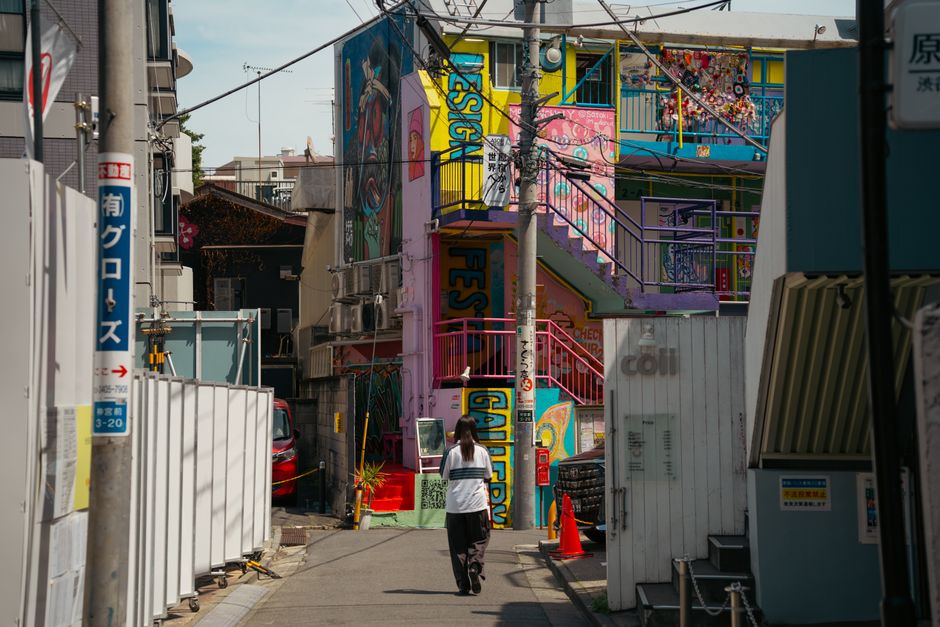
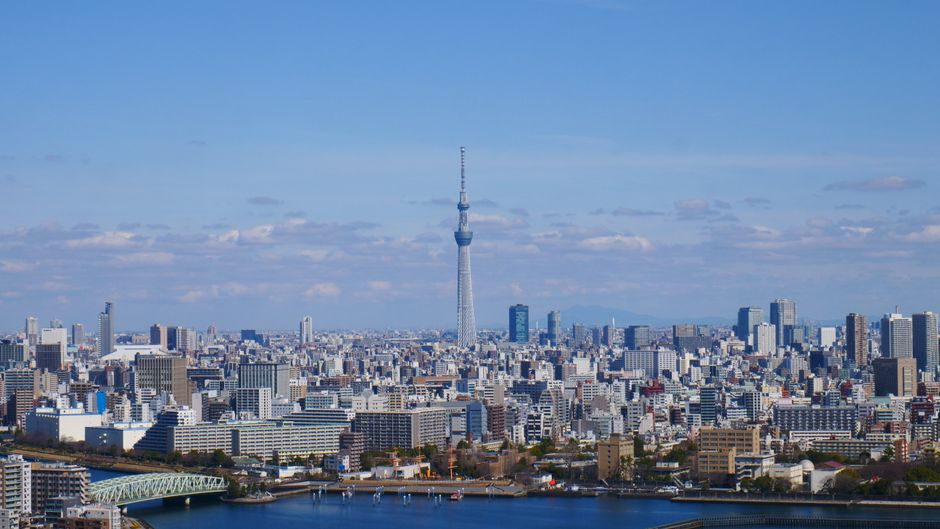
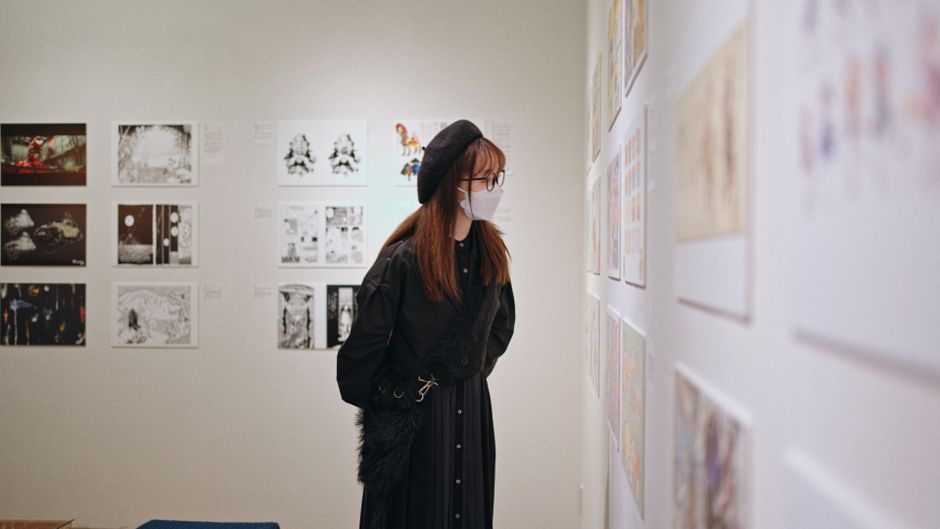
Tokyo's street art renaissance has matured considerably over the past three years, transforming neighbourhoods beyond the predictable Harajuku circuit into genuine creative hubs worth exploring. Summer 2026 presents an ideal window—cooler early mornings allow proper photography, while local collectives have scheduled exhibitions timed to the season.
Start in Shimokitazawa, where the Theatre Commons redevelopment has paradoxically spurred independent artists to claim remaining wooden facades. The narrow alley connecting Odoroki-dori to Ekimae-dori now hosts rotating murals by collective Shimo Art Alliance, with works refreshed monthly. Entry is free; donations support artist maintenance funds. The neighbourhood's vintage shops—particularly those around Suzuran Shopping Street—display smaller-scale installations inside storefronts, creating an organic gallery experience without admission fees.
Kuramae has emerged as an unexpected creative hotspot. The Asakusa Kuramae shopping arcade's lower levels have been designated as trial creative spaces for emerging artists through 2027. Several units feature three-month rotating installations, with artists paying nominal ¥8,000-¥15,000 monthly booth fees—costs passed to visitors via modest ¥500 entry contributions. The juxtaposition of traditional textile merchants with contemporary street artists creates Tokyo's most visually contradictory experience.
Roppongi's transformation continues along Roppongi-dori and the backstreets near Midtown. Several corporate buildings commission formal public art, but the real texture comes from semi-legal collaborative spaces. The Roppongi Street Art Initiative, launched in 2024, now coordinates fifteen property owners who permit monitored wall projects. Walking tours operate Saturdays (¥2,500; roughly 90 minutes) and discuss both legal frameworks and artistic intent.
Koenji remains authentically grassroots. The pedestrian shopping street's northern section permits artists to work directly on merchant shutters—over 40 active pieces. Most retailers welcome inquiries; some offer tea while artists work. This neighbourhood requires no guidebook; wandering reveals the most genuine interactions with creators. Nearby Koenji Station's underpass renovation project, completed April 2026, features twelve large-scale commissioned works by established street artists.
Visit early mornings (6-9am) for optimal photography and to catch working artists. Bring cash—many collaborative spaces remain unbanked. June-August weather demands sunscreen; most areas lack shade.
Tokyo's street art scene now balances preservation with expression, legitimacy with rebellion. These neighbourhoods reflect that tension authentically.
This article was compiled by AI from the sources linked above and screened before publishing. See our editorial standards.