Beyond the Neon: Essential Guide to Tokyo's Living Heritage and Cultural Identity
From ancient temples to post-war resilience, here's what every visitor needs to understand about the city's layered past.
From ancient temples to post-war resilience, here's what every visitor needs to understand about the city's layered past.
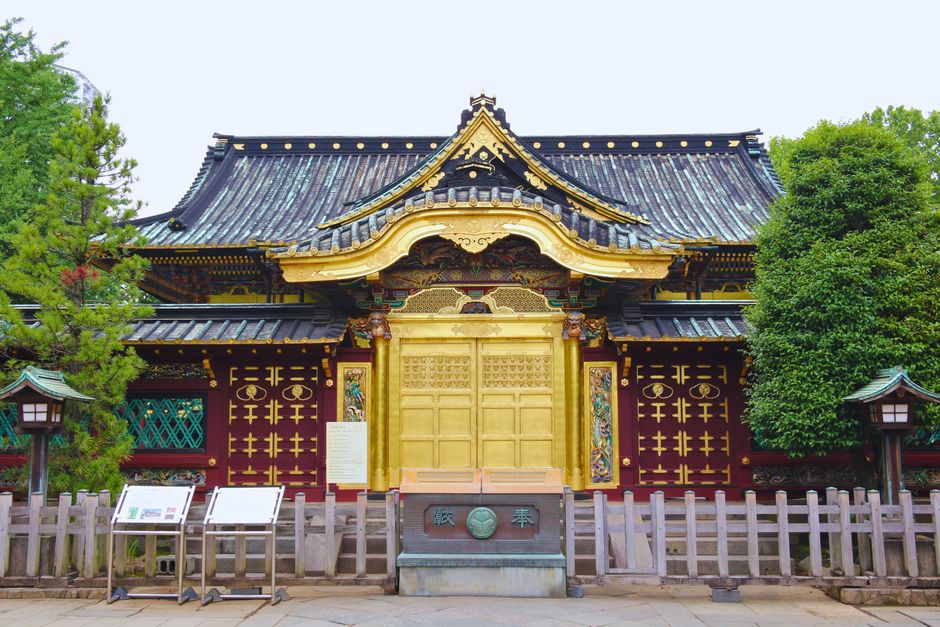
Tokyo's cultural identity refuses simple categorisation. Walk through Asakusa's Nakamise shopping street, where wooden stalls have hawked handmade crafts since the Edo period (1603-1867), and you're witnessing continuity. But step into the neighbouring side streets and encounter Tokyo Metropolitan Government Building, a 1991 architectural statement designed by Kenzo Tange—and you're seeing reinvention. Understanding both impulses is essential to grasping what makes Tokyo tick.
The city's defining characteristic is its ability to layer old and new without erasing either. The Meiji Shrine in Shibuya, dedicated in 1920, sits on forested grounds that feel entirely removed from the teeming Shibuya Crossing mere metres away. Approximately 10 million visitors annually pay respects here, making it Japan's most visited Shinto shrine. The shrine's emphasis on Shinto spirituality—distinct from Buddhism—remains central to Japanese cultural identity, a thread that runs through contemporary life often invisible to outsiders.
For serious cultural study, the Tokyo National Museum in Ueno houses over 110,000 artworks, many designated National Treasures. Admission costs ¥1,000 (roughly $7 USD). Its Japanese Art wing contextualises how aesthetic principles from samurai-era sword-making to minimalist contemporary design share philosophical roots. This isn't optional cultural tourism; it's foundational reading for understanding Japanese values around perfection and impermanence.
But heritage here isn't confined to institutions. Hamarikyu Gardens in Minato ward preserves Edo-period landscape design principles, complete with a functioning tea house where visitors sip matcha overlooking a tidal pond. Entry is ¥150. The experience teaches more about Japanese aesthetics than most guidebooks.
The earthquake of 1995 reshaped Tokyo's consciousness about impermanence. Walk through Roppongi and you're in a neighbourhood rebuilt on post-war rubble. This acceptance of transience—of losing and rebuilding—fundamentally differs from Western preservation instincts. It's not indifference to the past; it's philosophical adaptation.
Visiting Senso-ji Temple in Asakusa (free entry) should include time at the nearby Asakura Museum of Sculpture, where ¥800 admission gains access to a preserved 1970s artist's home. Here, daily life becomes visible history.
The practical truth: Tokyo preserves selectively. Some wooden machiya townhouses in Kagurazaka have been lovingly restored; others vanish to make way for pachinko parlours. Understanding this isn't pessimistic—it's recognising that Tokyo's heritage is precisely this tension between reverence and renewal, between remembering and reimagining.
This article was compiled by AI from the sources linked above and screened before publishing. See our editorial standards.
How does this story make you feel?
Spread the word
About this article
Published by The Daily Tokyo
Daily brief
Free, in your inbox before 7am. Weekdays.
More in culture
