Tokyo's Festival Circuit Becomes Launchpad for Emerging Voices
As summer events season kicks off, a new generation of curators, musicians and artists are reshaping the capital's cultural calendar—and they're doing it on their own terms.
As summer events season kicks off, a new generation of curators, musicians and artists are reshaping the capital's cultural calendar—and they're doing it on their own terms.
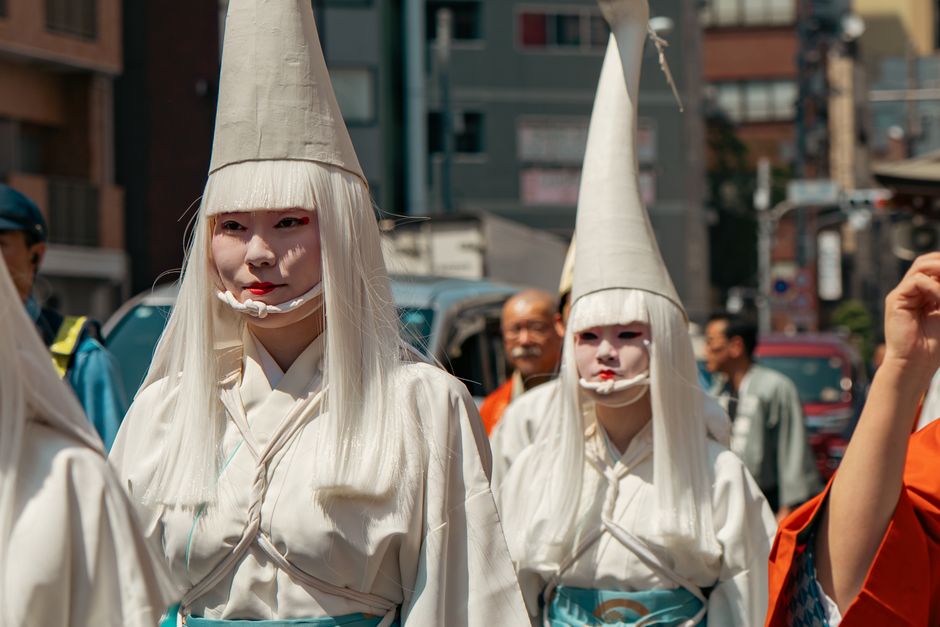
Walk through Yoyogi Park on any weekend this July, and you'll notice something shifting. The festival grounds that once belonged almost exclusively to established institutions are now dotted with pop-up stages curated by artists in their twenties and thirties—many mounting their first major productions this summer. This year's festival season isn't just about what's happening on stage; it's about who's deciding what gets there.
The trend is most visible in Shibuya and Harajuku, where independent collectives have secured permits for experimental music and art festivals. One emerging curator collective, operating informally through social media channels, has booked emerging electronic and indie acts across three weekend-long events between now and September. Their budget: reportedly under ¥8 million—less than half what traditional festival organizers typically spend—yet attendance projections suggest crowds of 3,000 to 5,000 per event.
"What changed is access," explains the ecosystem that's formed around Omotesandō's emerging gallery district. Young curators here are leveraging existing relationships with venues like smaller clubs in Shimokitazawa and Kichijoji to test ideas before scaling up. The Tokyo Metropolitan Government's 2024 cultural grants program, which allocated ¥2.1 billion to grassroots arts initiatives, has directly funded roughly fifteen emerging-led projects this cycle.
The impact extends beyond music. Contemporary art festivals in Asakusa and around the old industrial areas near Tsukiji are increasingly co-curated by artists under 35. One Ueno-based collective has organized a month-long series of gallery talks and street performances that challenge the traditional separation between "high" art venues and public space—deliberately using Ameya-Yokocho's commercial energy as their exhibition framework.
What distinguishes this wave isn't just generational succession; it's methodological. These curators prioritize accessibility—keeping ticket prices between ¥1,500 and ¥3,500, well below industry standard—and community input. Several have adopted open-call models where audiences vote on programming through digital platforms, blurring lines between organizer and participant.
As Tokyo's summer festival season intensifies, institutional gatekeepers are watching closely. The established venues haven't ceded territory, but they're increasingly collaborating with emerging voices rather than competing. By August, the question won't be whether these new curators can attract crowds—early evidence suggests they can. The real test: whether they can sustain momentum beyond the summer cycle and reshape Tokyo's cultural infrastructure for the long term.
This article was compiled by AI from the sources linked above and screened before publishing. See our editorial standards.
How does this story make you feel?
Spread the word
About this article
Published by The Daily Tokyo
Daily brief
Free, in your inbox before 7am. Weekdays.
More in culture