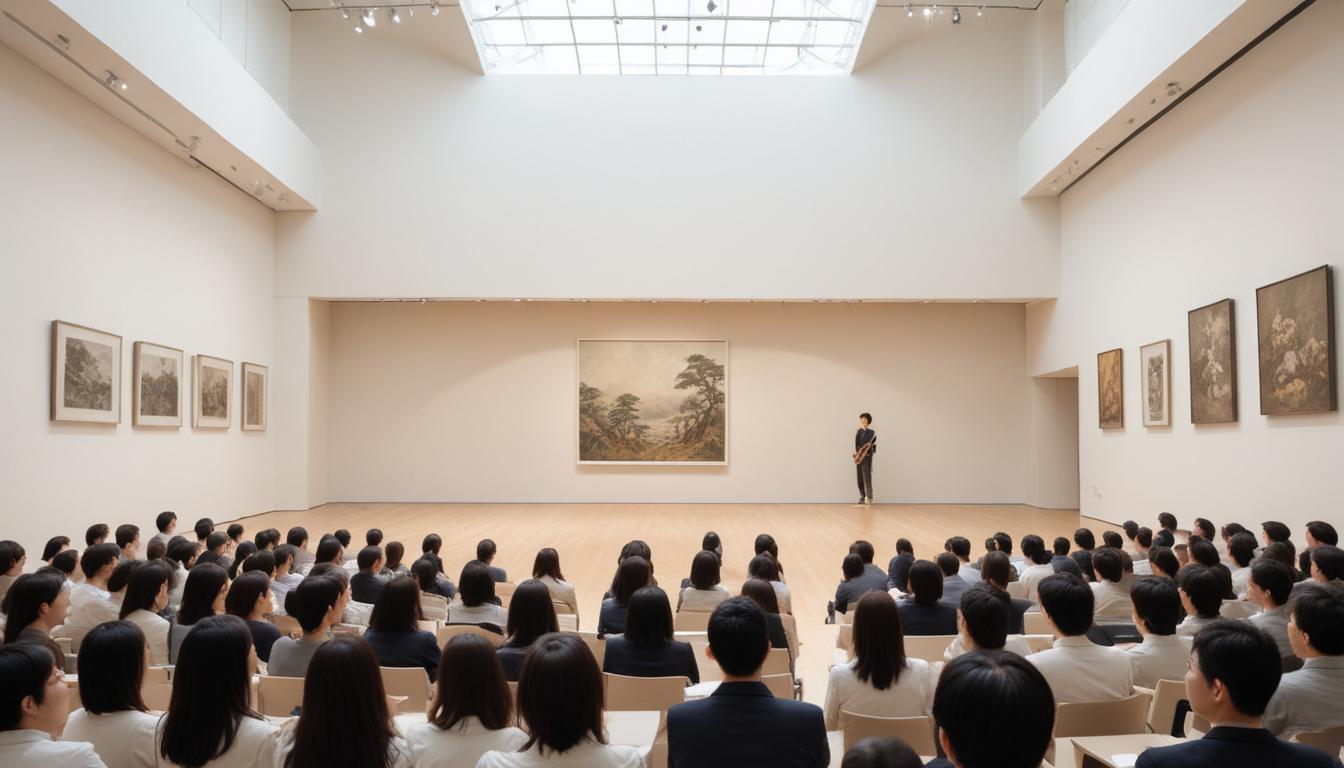
Walk through Shimokitazawa on any given evening and you'll encounter a theatre revolution quietly unfolding. Once synonymous with nostalgic indie culture, Tokyo's performing arts landscape is being remoulded by a cohort of artists in their late twenties and thirties who reject the rigid hierarchies of traditional kabuki and contemporary dance establishments. These emerging voices are drawing audiences back to venues like Theaterguide and smaller 200-seat houses clustered around Kichijoji and Harajuku, where experimental work thrives on shoestring budgets.
The shift reflects broader demographic trends. According to the Japan Foundation's 2024 cultural survey, theatre-goers under 35 now comprise 31 percent of Tokyo's performing arts audience—up from 19 percent a decade ago. Yet traditional institutions haven't kept pace. The National Theatre's subscription base has remained flat, while independent collectives like those scattered through Kuramae's converted warehouse spaces report 15-20 percent annual growth in attendance.
What distinguishes this generation is their willingness to blend mediums. Video projections merge with classical movement vocabularies. Stand-up comedy infiltrates avant-garde monologues. Gen Z sensibilities collide with postwar theatrical legacies. Several artists working from studios in the less-gentrified corners of Asakusa and Ryogoku are experimenting with immersive formats, breaking the fourth wall entirely—audiences often find themselves navigating dimly lit spaces, becoming participants rather than observers.
Funding remains precarious. Most emerging theatre makers juggle part-time work—often teaching English or performing corporate entertainment gigs—to subsidise their own productions. Ticket prices hover between ¥2,000 and ¥4,500, modest by international standards but requiring near-full capacity for financial viability. A handful have secured grants from the Tokyo Metropolitan Government's Arts Creation Fund, though competition remains fierce.
Yet there's undeniable momentum. The Asia Pacific Performing Arts Festival, held annually at venues across Roppongi and Shinjuku, now dedicates 40 percent of its programming to debut creators. Film festivals like Image Forum Festival in Shibuya increasingly showcase performance-art hybrids. International producers are taking notice: several Tokyo-based emerging artists have been invited to present work in Seoul, Singapore, and beyond.
For audiences seeking to witness this transformation firsthand, exploring smaller venues in Shimokitazawa, Kuramae, and the emerging creative clusters around Harajuku offers an intimate window into Japanese theatre's future. These spaces may lack the polished infrastructure of major institutions, but they pulse with the unpredictable energy of artistic risk-taking—precisely what keeps any cultural ecosystem vital.
This article was compiled by AI from the sources linked above and screened before publishing. See our editorial standards.