From Imperial Vaults to Glass Boxes: How Tokyo's Gallery Scene Evolved Into a Global Cultural Force
Over seven decades, Tokyo's art institutions transformed from post-war recovery projects into world-class venues that now rival New York and London.
Over seven decades, Tokyo's art institutions transformed from post-war recovery projects into world-class venues that now rival New York and London.
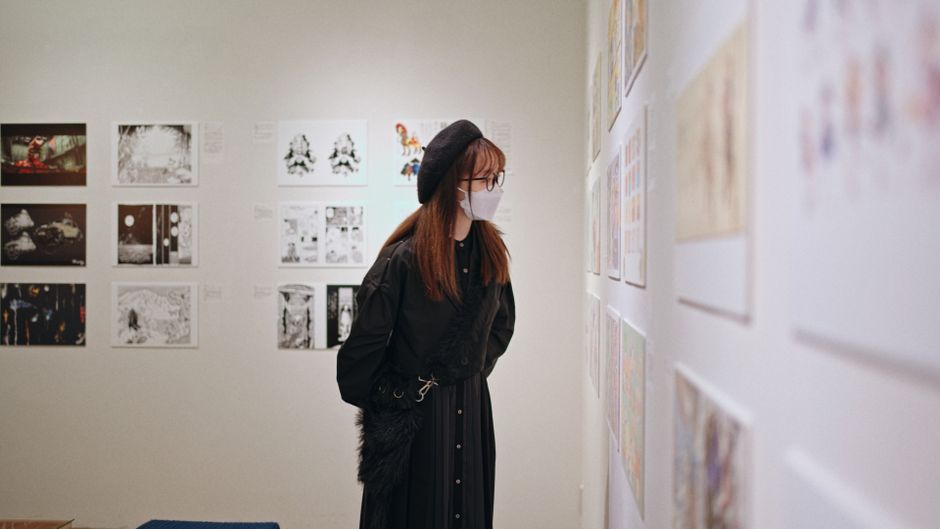
When the Tokyo National Museum first reopened its doors in Ueno in 1949, Japan's cultural landscape lay in tatters. The institution, founded in 1872, had survived wartime destruction, but the nation's entire art ecosystem needed rebuilding. Today, that same museum draws nearly 1.9 million visitors annually, anchoring an art scene that has evolved from preserving heritage into aggressively championing contemporary creation.
The transformation began modestly. Through the 1950s and 1960s, Tokyo's gallery world clustered around Ginza, where traditional scroll dealers gradually opened their doors to modern movements. By the 1980s, as Japan's economic bubble inflated, the contemporary art market exploded. Galleries multiplied across Shinjuku and Shibuya, chasing young collectors with disposable income and appetite for experimental work.
The real inflection point came with the opening of the Museum of Contemporary Art Tokyo in Koto ward in 1995—a purpose-built facility with 3,600 square meters of exhibition space. It signaled that Tokyo's cultural ambitions had moved beyond preservation into creation and critique. The institution helped legitimize contemporary practice just as the bubble burst, providing institutional gravitas when the market collapsed.
Today's landscape reflects hard-won lessons. Ginza remains a luxury enclave, with gallery rents commanding upward of ¥3 million monthly for prime locations. But the real energy has dispersed. Roppongi's museum district—anchored by the Mori Art Museum and National Art Center—has become the 21st-century center, drawing 2.5 million annual visitors to its cluster of venues. Meanwhile, younger galleries have migrated to affordable neighborhoods like Kuramae and Asakusa, creating scrappier, more experimental spaces.
The National Art Center's 2007 opening proved pivotal. With its sweeping glass facade and rental model—allowing rotating exhibitions rather than fixed collections—it attracted international blockbuster shows that had previously bypassed Tokyo. Last year alone, it hosted exhibitions drawing over 1.2 million visitors.
Yet Tokyo's scene remains distinctly local. Unlike New York's dealer-driven market or London's auction-house culture, Tokyo's institutions still serve as tastemakers. Public museums shape collecting patterns more than galleries do. Admission prices—typically ¥1,000-¥1,500—reflect post-war beliefs that art belongs to everyone, not just elites.
Three decades after the bubble burst, Tokyo's art world has matured into something more sustainable: less speculative, more culturally rooted. The dispersal across neighborhoods, the mix of world-class institutions and intimate galleries, the commitment to public access—these reflect Tokyo's particular answer to the question of what an art scene should be.
This article was compiled by AI from the sources linked above and screened before publishing. See our editorial standards.
How does this story make you feel?
Spread the word
About this article
Published by The Daily Tokyo
Daily brief
Free, in your inbox before 7am. Weekdays.
More in culture

