Tokyo's fashion and design landscape has evolved dramatically over the past five years, shifting away from pure commercial spectacle toward intimate, educational experiences that celebrate craft and innovation. Whether you're a industry professional or curious observer, the city offers unprecedented access to its creative ecosystem right now.
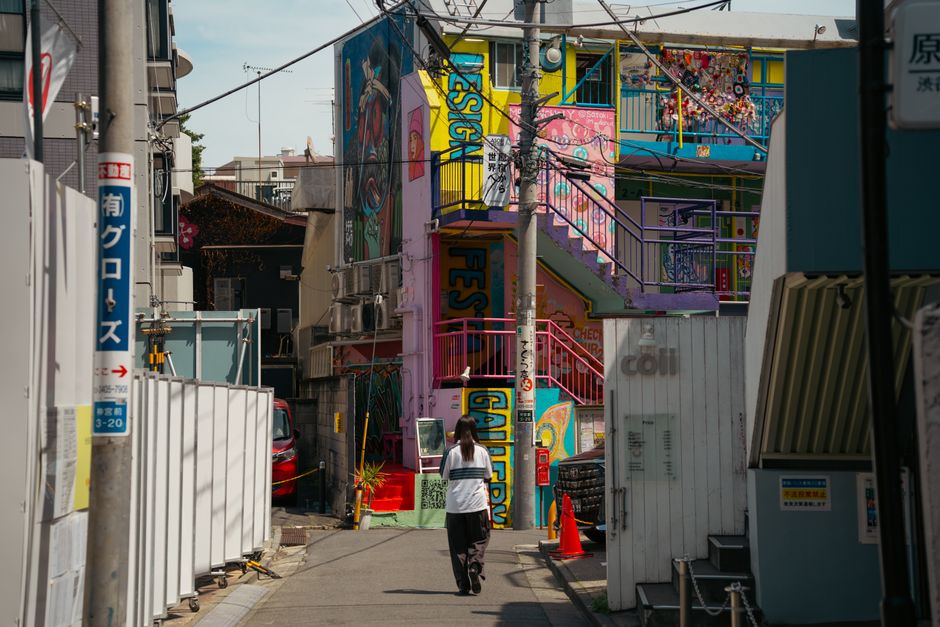
Start in Harajuku's Omotesandō district, where the pedestrian-friendly avenue has become a hub for independent designers. Beyond the flagship stores, venture into the quieter side streets where boutique showrooms host regular studio visits by appointment. Many emerging labels—operating at price points between ¥8,000 and ¥25,000 for signature pieces—welcome visitors to observe their design process. The neighborhood's concentration of design schools, including Bunka Fashion College, means fresh talent constantly refreshes the local scene.
For hands-on engagement, Nishi-Asakusa's textile district remains Tokyo's pulse for fabric innovation. Several traditional weaving studios offer 90-minute workshops (¥6,500-¥9,000 per person) where participants learn indigo dyeing or yukata production from artisans whose families have worked in textiles for generations. The neighborhood retains its character despite gentrification, with narrow alleyways lined with family-run fabric suppliers serving both established designers and hobbyists.
The Tokyo Fashion Week ecosystem deserves attention, particularly its growing emphasis on sustainable design. While the main event occurs in March and October, summer brings smaller symposia and pop-up collaborations. Check venues like the Japan Design Center in Roppongi for panel discussions (often free or ¥2,000) addressing industry challenges from supply chain ethics to digital innovation.
Design enthusiasts shouldn't miss the Shimokitazawa neighborhood, where vintage fashion culture intersects with contemporary creativity. This bohemian enclave hosts monthly design markets where emerging creators sell directly to consumers, offering transparency about production methods and pricing—a refreshing contrast to conventional retail. The area's independent galleries frequently feature fashion-adjacent installations exploring textile arts and wearable sculpture.
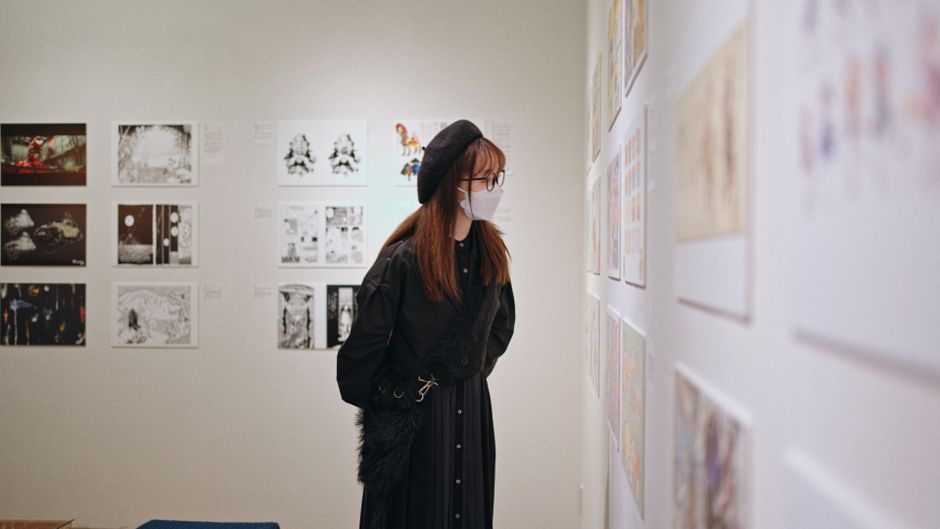
For institutional grounding, the Museum of Contemporary Art Tokyo (MOT) in Koto Ward occasionally programs fashion-focused exhibitions, while the Crafts Gallery near Takebashi regularly showcases contemporary Japanese textile artists. Both offer ¥1,500 entry fees and provide scholarly context for understanding Tokyo's creative traditions alongside contemporary practice.
Finally, leverage Tokyo's thriving online designer communities. Platforms like BEAMS JAPAN and local design collectives regularly update their workshop and studio schedules on social media, often offering last-minute availability for international visitors. Many experiences require advance booking through Instagram or email, reflecting the shift toward curated, intentional engagement over walk-in consumption.
This article was compiled by AI from the sources linked above and screened before publishing. See our editorial standards.