In the early 1980s, Tokyo's live music infrastructure barely existed. Bands performed in converted warehouses, parking lots, and the back rooms of izakayas scattered across Harajuku and Shinjuku. The city's most ambitious rock acts had nowhere domestically to match their ambitions; many simply moved to Osaka or gave up entirely.
That scarcity bred innovation. Small venues like the now-defunct Loft in Kabukicho became legendary incubators precisely because they had no choice but to embrace experimental acts. By the 1990s, as the bubble economy inflated, developers began recognizing live entertainment as a revenue stream. Shibuya's Club Quattro opened in 1992, legitimizing mid-sized venues at a capacity of around 800 people—a radical expansion from the 150-person basement shows that had dominated the decade prior.
The real transformation came in the 2000s. The construction of Yoyogi National Gymnasium's expansion allowed Tokyo to host major international tours. Nippon Budokan, traditionally a sports venue, solidified its position as Japan's premier concert destination, with ticket prices rising from ¥3,000 to ¥8,000–¥12,000 for competitive acts. Meanwhile, Roppongi ArtsTriangle emerged as an entertainment district, anchoring venues like EX Theater that catered to both local audiences and international touring acts.
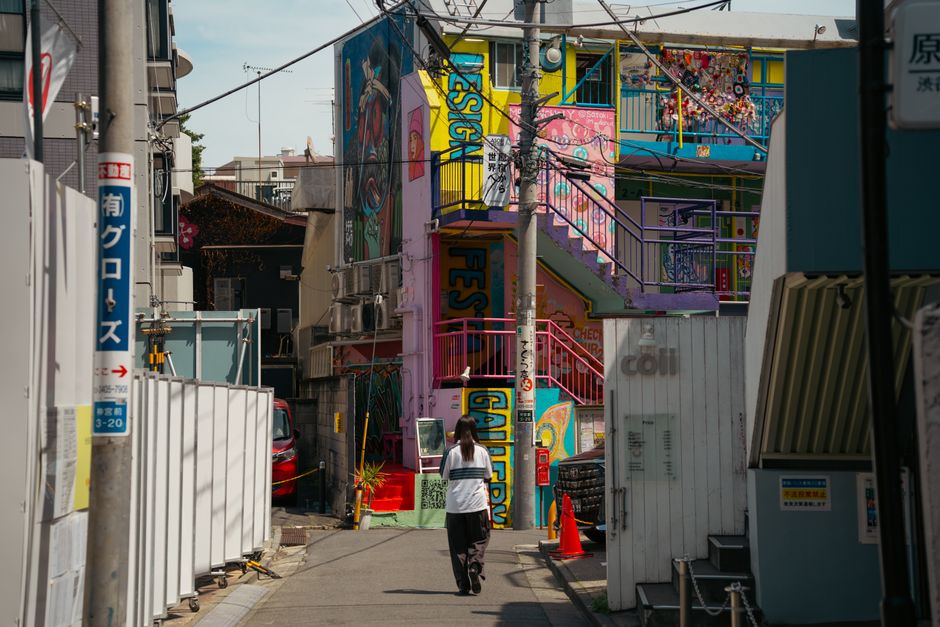
Today's landscape is radically different. Tokyo boasts over 200 dedicated live venues ranging from 50-capacity intimate clubs to the 55,000-capacity Tokyo Dome. The Bluenote Tokyo in Minato Ward, which opened in 1992, now hosts world-class jazz performers at ¥15,000–¥20,000 per ticket. Meanwhile, grassroots spaces like venues in Shimokitazawa—Tokyo's bohemian quarter—continue the tradition of nurturing emerging artists, though rising rents have shrunk their numbers from 50 to roughly 30 since 2015.
The pandemic's impact (2020–2021) temporarily devastated the scene, with venue closures reaching 15 percent. Recovery, however, has been swift. Last year, Tokyo hosted 1,847 major concerts and live events, generating an estimated ¥187 billion in economic activity. International acts now regularly schedule multiple Tokyo dates on Asian tours.
What's striking is that Tokyo's evolution mirrors Japan's broader cultural shift—from insular consumption toward confident cultural export. The venues aren't just entertainment; they're architectural statements about how the city sees itself. From Shibuya's underground clubs to the gleaming Tokyo International Forum, each venue represents a chapter in Tokyo's story of becoming Asia's creative capital.
This article was compiled by AI from the sources linked above and screened before publishing. See our editorial standards.