Tokyo's Fashion Underground: Meet the Emerging Voices Reshaping Japanese Design
A new generation of designers in Harajuku and Shimokitazawa are rejecting traditional gatekeepers, building cult followings through pop-ups and digital platforms.
A new generation of designers in Harajuku and Shimokitazawa are rejecting traditional gatekeepers, building cult followings through pop-ups and digital platforms.
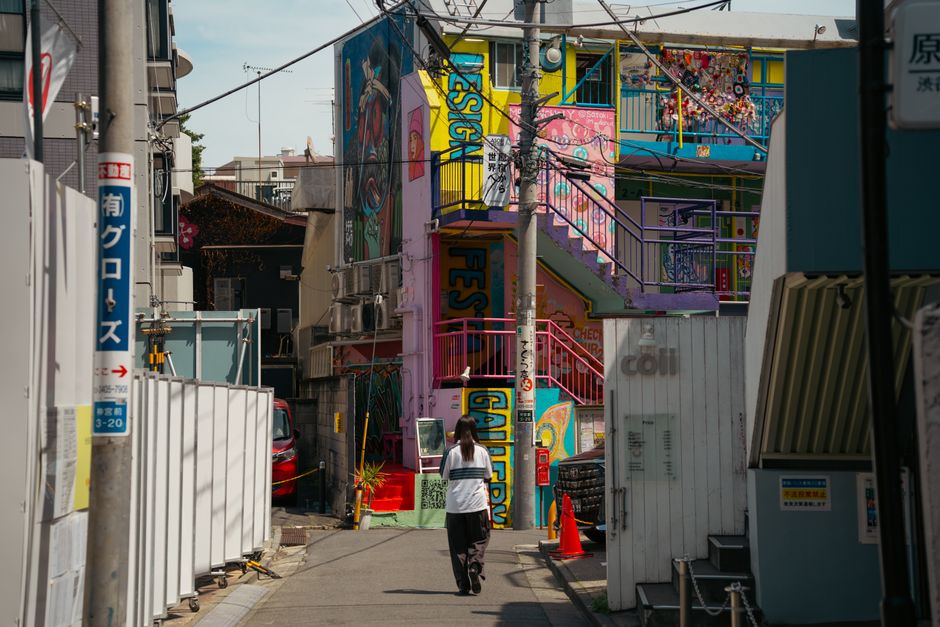
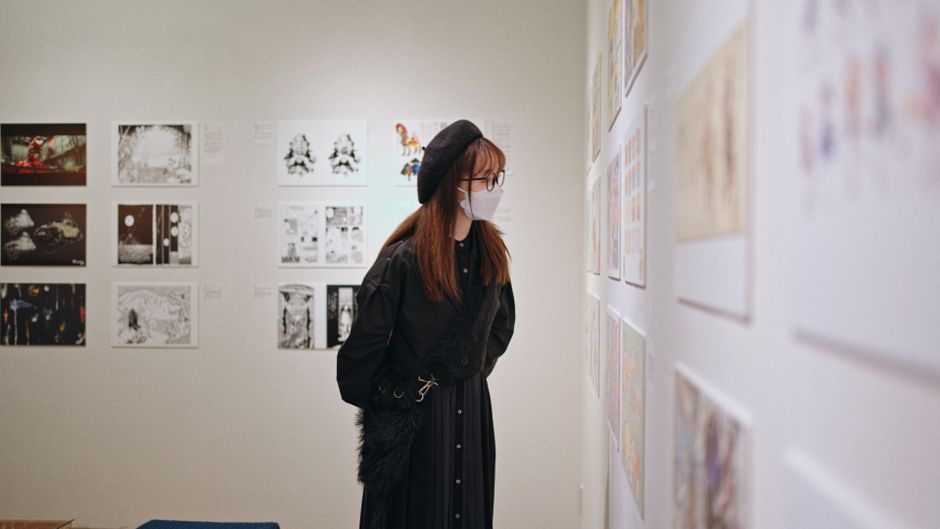
Walk through the narrow lanes of Shimokitazawa on a Saturday afternoon and you'll find them: young designers working from converted machiya townhouses, their collections displayed in intimate showroom-galleries that feel more like artist studios than boutiques. This is where Tokyo's next wave of fashion talent is quietly rewriting the industry's rules.
The shift reflects a broader democratisation of design in Japan's creative capital. Where previous generations waited for invitations to the Tokyo Fashion Week shows or hoped to catch the eye of established department stores like Isetan or Mitsukoshi, today's emerging voices are building direct relationships with customers through temporary exhibitions, Instagram collaborations, and micro-scale production runs priced between ¥8,000 and ¥25,000 per piece—accessible yet deliberately limited.
The numbers tell a compelling story. According to a 2025 report by the Tokyo Metropolitan Government's Creative Industries Division, over 340 independent fashion designers now operate from artisanal hubs in Harajuku, Aoyama, and Shimokitazawa—a 67% increase since 2020. Many are leveraging co-working spaces like Shibuya Creative Lounge (membership ¥15,000 monthly) to minimise overhead while maintaining visibility in high-traffic areas.
What distinguishes this cohort is their refusal to follow the conventional Tokyo aesthetic. Rather than the minimalism that dominated the 2010s, they're blending traditional Japanese textile techniques—shibori, hand-weaving—with experimental silhouettes and sustainable production methods. Several are founding their own labels at 25 or younger, armed with design degrees from institutions like Bunka Fashion College and an intuitive understanding of social media as both marketplace and exhibition space.
The institutional support is catching up. The Tokyo Metropolitan Government launched the Emerging Fashion Designers Support Programme in 2024, providing ¥500,000 grants and mentorship to 15-20 designers annually. Meanwhile, independent galleries in the backstreets behind Omotesando are hosting monthly showcases, and fashion buyers from boutiques across Kobe and Osaka are making reconnaissance trips to Shimokitazawa specifically to scout new talent.
This moment feels genuinely pivotal. These designers are not seeking validation from Paris or Milan; they're building communities in their own neighbourhoods, setting their own pace, and defining what contemporary Japanese fashion means in an era of fragmented aesthetics. Tokyo's fashion future, it appears, will be written not by the establishment, but by those willing to work from small studios and trust their local audiences.
This article was compiled by AI from the sources linked above and screened before publishing. See our editorial standards.
How does this story make you feel?
Spread the word
About this article
Published by The Daily Tokyo
Daily brief
Free, in your inbox before 7am. Weekdays.
More in culture