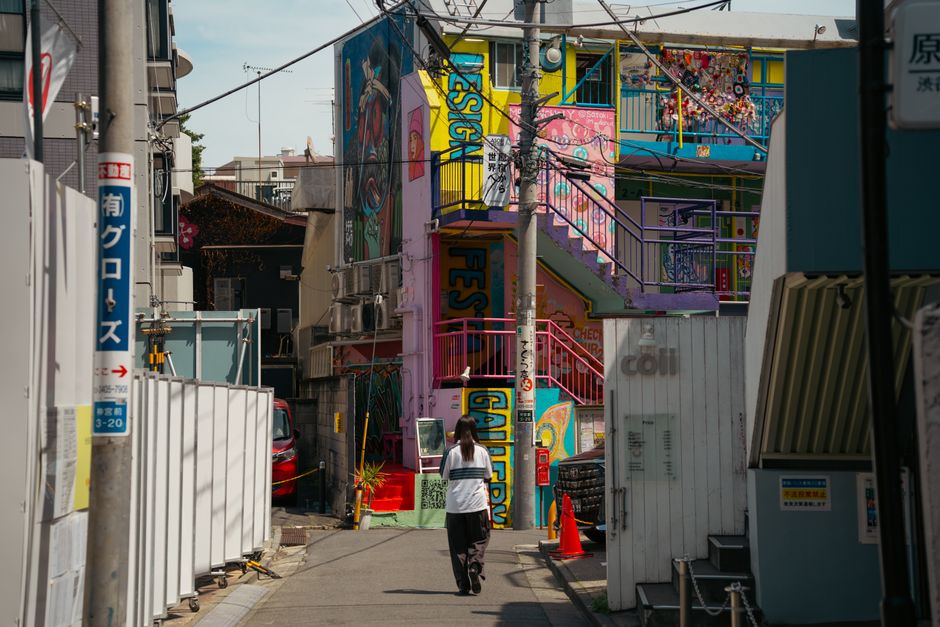
In the early 1990s, when Tokyo's street art movement was still confined to dimly lit underpasses and railway corridors, few imagined it would eventually claim entire neighbourhoods. Today, the aerosol-sprayed walls of Omotesandō's back alleys and the meticulously maintained murals adorning Shimokitazawa's wooden shophouses tell a different story—one of institutional recognition, gentrification pressures, and creative resilience.
The movement's roots run deep. Crews like Tokyo's pioneering graf collective emerged from Tokyo's youth subculture in the late 1980s, drawing inspiration from New York hip-hop imports while developing distinctly Japanese aesthetics. Early practitioners risked legal consequences painting utility boxes and tunnel walls near Yotsuya Station. The turning point came around 2005, when property developers and local government began licensing muralists to revitalize aging commercial areas, effectively legitimizing what had been criminalized for fifteen years.
Harajuku's Cat Street (Omotesandō Kita-dori) became the first sanctioned gallery-style precinct, with rotating artist residencies and permanent installations by internationally acclaimed figures. Rental costs for retail spaces there now exceed ¥500,000 monthly—a stark contrast to the ¥80,000 studios young artists occupied in nearby Meiji-dori just a decade ago. The tension between preservation and commercialization intensified further when Shimokitazawa's 2008 urban renewal threatened to demolish the very wooden buildings whose character had attracted creative industries.
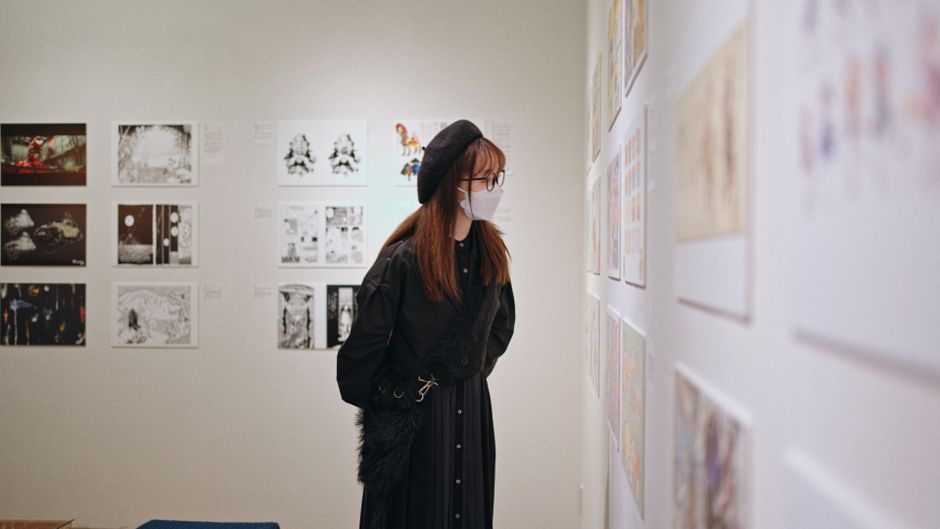
Today's landscape reflects uncomfortable compromises. Shibuya's Design Festa Gallery, established in 1995, remains a crucial non-commercial exhibition space, drawing 15,000+ visitors monthly to its artist-run model. Yet surrounding streets display the sanitized murals typical of municipality-approved beautification projects—technically street art, functionally corporate branding. Instagram's rise transformed these districts into pilgrimage sites for international visitors, generating estimated annual foot traffic of 8 million people across Harajuku and Shimokitazawa combined.
Younger crews have responded by retreating to emerging zones: Koenji's vintage shopfronts and Nakano's side streets now host guerrilla exhibitions and impromptu installations. Meanwhile, organizations like Creative Community Shibuya attempt mediating between artists, residents, and commerce through workshop programmes and community exhibitions.
As Tokyo's street art scene enters its fourth decade, it faces a paradox. The fight for recognition succeeded spectacularly—yet success itself threatens the underground ethos that birthed it. Whether these districts remain creatively vital or calcify into heritage zones depends on how fiercely emerging artists defend their right to the city.
This article was compiled by AI from the sources linked above and screened before publishing. See our editorial standards.