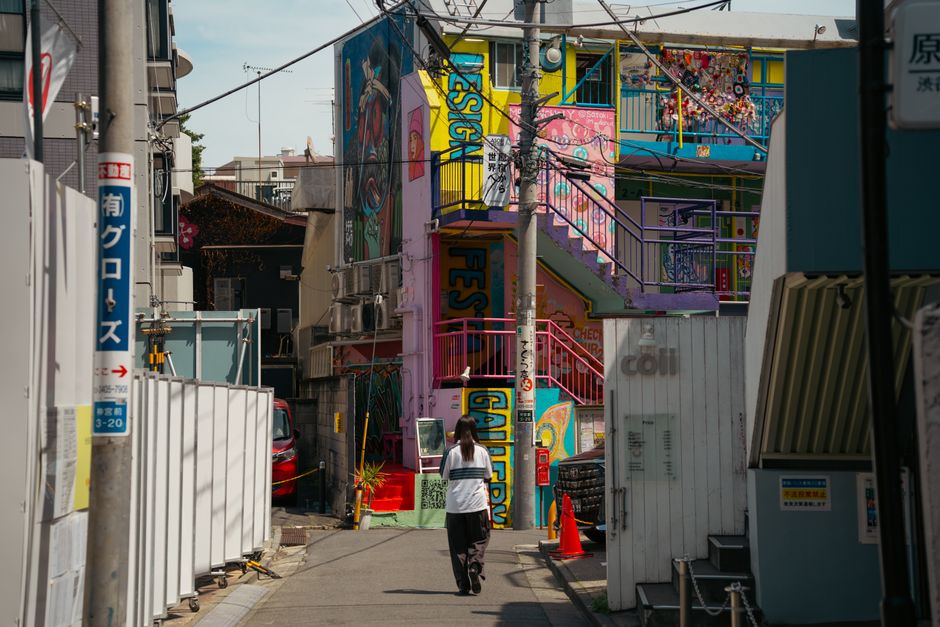
Walk down the narrow lanes of Shimokitazawa on a Friday evening and you'll encounter a living paradox: cramped wooden theatres showing avant-garde plays beside trendy vintage shops, izakayas where regulars have sat for 50 years next to craft cocktail bars opened last month. This is Tokyo's most contentious neighbourhood—and its most instructive case study in cultural evolution.
The district's modern identity crystallised in the 1930s when it transformed from agricultural village to bohemian hub. The opening of Shimokitazawa Station in 1930 triggered rapid development, but it was the arrival of theatres like Suzunari and Théâtre Cocoon in the postwar decades that defined its character. By the 1980s, over 40 small theatres operated within walking distance, making Shimokitazawa Japan's answer to Off-Broadway. Rent averaged ¥80,000-150,000 monthly for these intimate 100-150 seat venues—affordable enough for experimental groups to take financial risks.
The 2000s brought the first existential crisis. Urban renewal plans threatened wholesale demolition. Local residents and artists organised fierce resistance, collecting over 100,000 petition signatures. In 2008, Tokyo's government reversed course, establishing heritage protection protocols. Today, approximately 65% of Shimokitazawa's original wooden structures from the 1960s-70s remain intact—remarkable preservation by Tokyo standards.
The National Arts Center's 2024 survey found that 73% of Tokyo's young cultural workers cite Shimokitazawa's affordability and creative density as crucial to launching their careers. Monthly theatre attendance in the district reaches approximately 45,000 visitors, generating an estimated ¥3.2 billion annual cultural economy. Yet gentrification pressure persists: average rents have doubled since 2010, forcing smaller venues to relocate eastward toward Kichijoji and Setagaya.
What makes Shimokitazawa's evolution significant extends beyond nostalgia. It established a template: that neighbourhoods preserve identity not through freezing them in amber, but through active community participation in deciding which changes honour heritage. The district's success influenced similar preservation efforts across Tokyo—in Yanaka's temple quarter, Tsukiji's outer market, and the Meiji Theatre District.
As Tokyo faces its steepest population decline since records began, Shimokitazawa's 90-year arc—from agrarian backwater to artistic crucible to contested preservation ground—offers an uncomfortable lesson: cultural identity requires constant defence, investment, and the willingness to resist purely economic logic.
This article was compiled by AI from the sources linked above and screened before publishing. See our editorial standards.