Your Complete Guide to Tokyo's Best Local Experiences Right Now
Summer festivals, gallery openings, and neighbourhood celebrations are defining Tokyo's cultural calendar this week—here's where to spend your time.
Summer festivals, gallery openings, and neighbourhood celebrations are defining Tokyo's cultural calendar this week—here's where to spend your time.
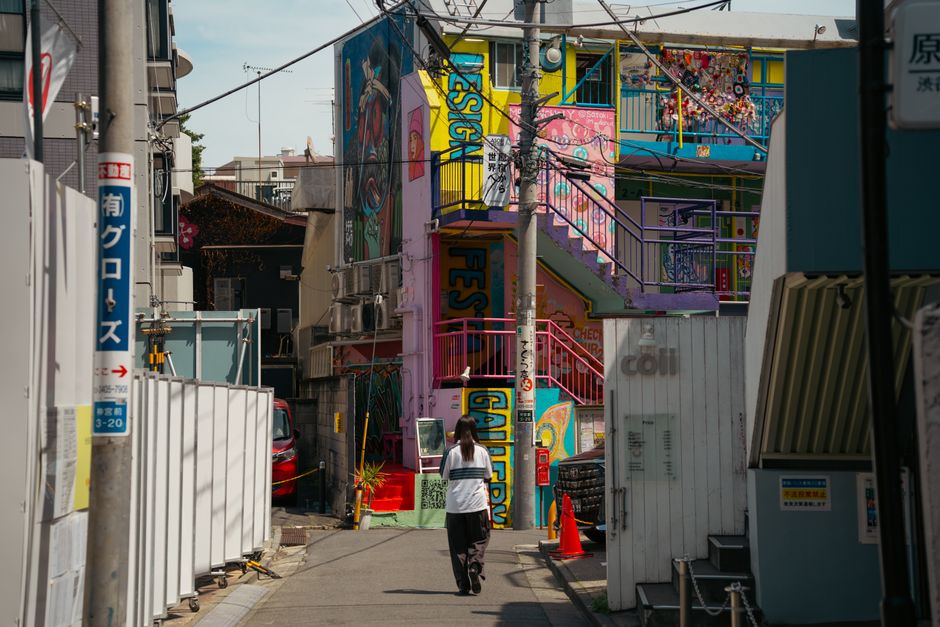
Tokyo's summer season has shifted into full throttle, and the city's cultural calendar is packed with experiences that capture why residents love this metropolis. Whether you're seeking traditional matsuri energy or contemporary art discoveries, the next fortnight offers something distinctly local at every turn.
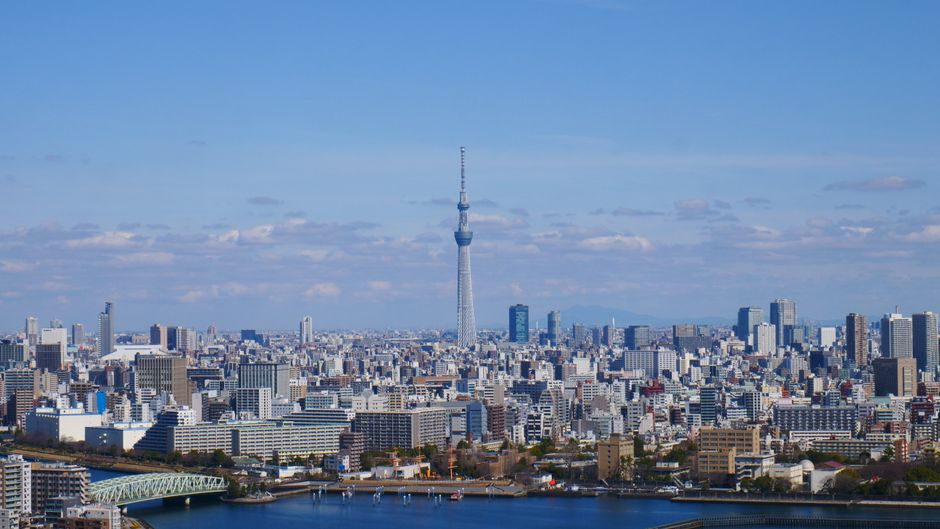
Start in Asakusa, where the Sumida River Fireworks Festival (Sumida River Hanabi) returns for its 96th year on July 27th. This isn't the polished corporate spectacle of larger displays—it's intimate, chaotic, and authentically Tokyo. Around 100,000 people pack the riverbanks between Azuma and Sakura bridges, starting from 7 p.m. Arrive early to secure a spot on the eastern bank near Tawaramachi Station, where locals know the viewing angles best.
In Shimokitazawa, the neighbourhood's legendary summer theatre season reaches its peak. The compact streets hosting over a dozen independent theatre spaces become a cultural corridor where experimental productions and traditional performances coexist. The Shimokitazawa Theatre Festival, running through August, features ticket prices ranging from ¥2,000–¥5,000, making it accessible to younger audiences reshaping Tokyo's performing arts landscape.
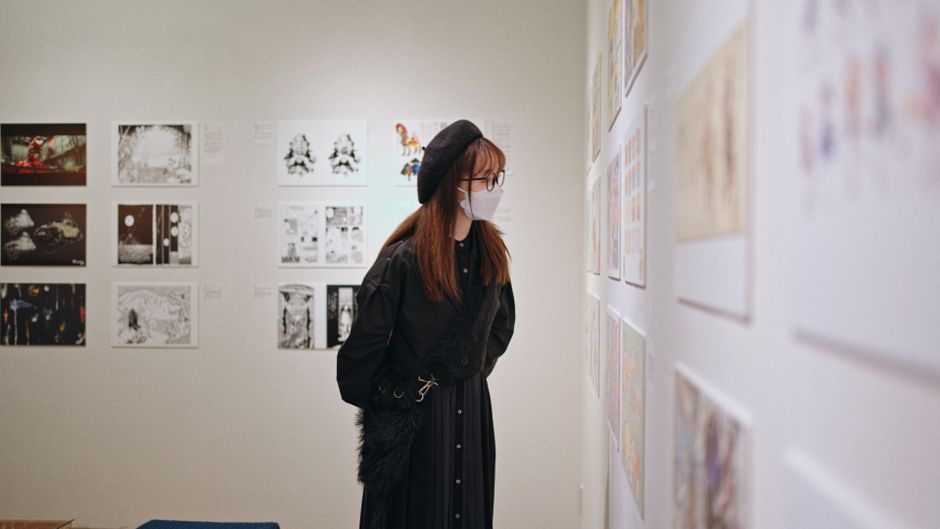
Art enthusiasts should head to Ginza, where the commercial gallery district traditionally quiets down in summer—but this year several spaces are using the season strategically. The Photography Museum in nearby Roppongi is mounting a survey of contemporary documentary work through September 12th (¥1,500 admission). More adventurously, explore the smaller artist-run spaces around Yurakucho's railway arches, where informal exhibitions and pop-up events create Tokyo's under-the-radar gallery circuit.
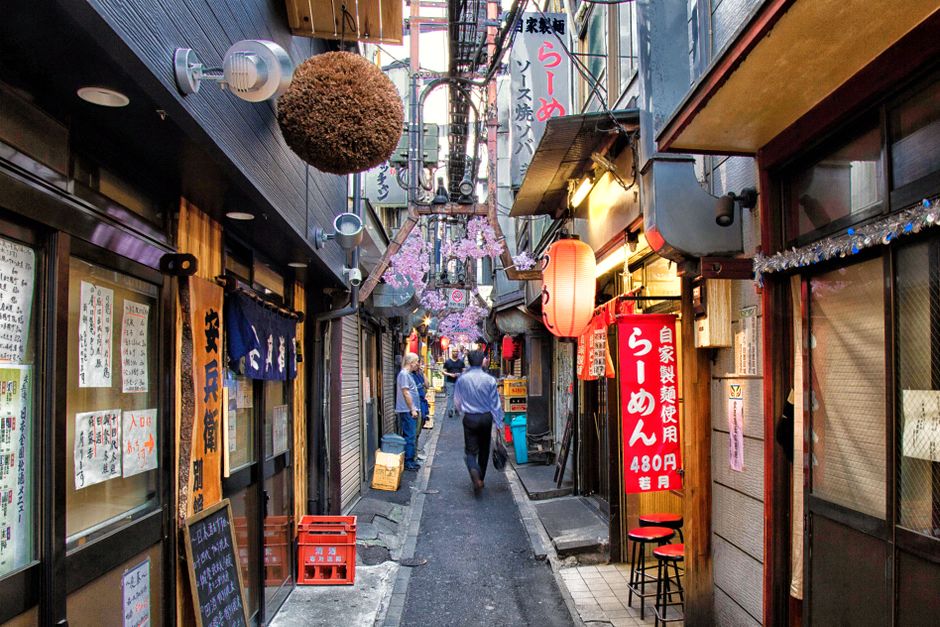
Don't overlook neighbourhood-level summer fairs. Harajuku's Omotesando hosts weekly evening markets through August, while the Meiji Shrine grounds feature traditional music performances on select weekend afternoons—free and deeply atmospheric. Shinjuku's Omoide Yokocho (Memory Lane) hosting area extends its summer hours, offering affordable yakitori and the casual social energy that defines Tokyo's working-class culture.
For food-focused experiences, the Tsukiji Outer Market area runs seasonal cooking classes and tastings (typically ¥4,000–¥8,000 per session), connecting you directly with fishmongers and vendors who've worked these streets for decades. Meanwhile, neighbourhood ramen shops in areas like Ikebukuro's west gate region create summer specials featuring cold varieties—a local tradition largely invisible to guidebooks.
Timing matters: most events run Thursday through Sunday, with peak attendance Friday–Sunday evenings. Public transport is efficient and crowded; IC cards (Suica/Pasmo) make navigation seamless. These aren't marquee attractions, but they're where Tokyo's actual cultural life happens.
This article was compiled by AI from the sources linked above and screened before publishing. See our editorial standards.
How does this story make you feel?
Spread the word
About this article
Published by The Daily Tokyo
Daily brief
Free, in your inbox before 7am. Weekdays.
More in culture