Tokyo Art Galleries: Essential Guide to Ginza & Roppongi
Navigate Tokyo's gallery renaissance across Ginza and Roppongi. Discover where first-time visitors find contemporary art, major international galleries, and the city's best-curated spaces.
Navigate Tokyo's gallery renaissance across Ginza and Roppongi. Discover where first-time visitors find contemporary art, major international galleries, and the city's best-curated spaces.
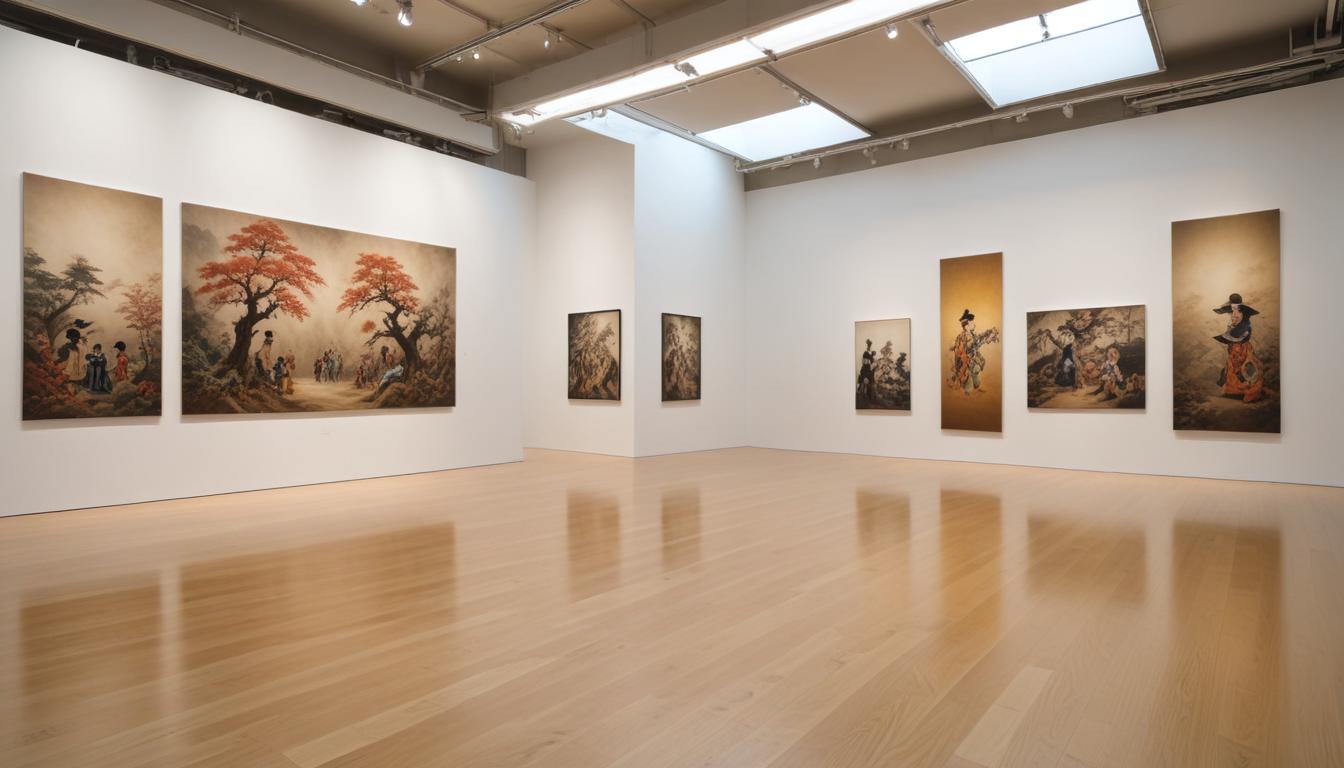
Tokyo's contemporary art landscape has undergone a seismic shift over the past five years, with established museums alongside independent galleries competing for attention in a city where aesthetic ambition runs as deep as tradition. For visitors planning their cultural itinerary, understanding the geography and character of Tokyo's art districts is essential—each neighbourhood offers distinct curatorial philosophies and audience experiences.
Ginza remains the de facto epicentre of Japan's commercial gallery scene, with over 200 galleries clustered primarily along Chuo-dori and the side streets between 4-chome and 8-chome. This is where major international galleries maintain prestige flagships: expect immaculate white walls, contemporary Japanese and Asian artists, and price tags reflecting the premium real estate. Most galleries here operate on a first-come basis; entry is typically free, though many operate by appointment for serious collectors.
Roppongi offers a more experimental counterpoint. The Roppongi Art Triangle—anchored by the National Art Center (with its distinctive undulating glass façade), Mori Art Museum, and Tokyo Midtown Design Hub—draws approximately 2.5 million visitors annually across its institutions. The National Art Center's rotating exhibitions often feature international blockbusters; plan for 90 minutes minimum. Mori Art Museum, positioned on the 52nd-53rd floors of Roppongi Hills, combines spectacular city views with sophisticated contemporary programming. Entry fees typically range from ¥1,500–¥2,500 per institution.
For something less mainstream, venture to Shinjuku's art-house corridor, where smaller independent galleries occupy converted wooden buildings and nondescript office spaces. This neighbourhood attracts experimental artists, emerging curators, and collectors seeking discovery over prestige. Hours can be irregular—calling ahead or checking Instagram is advisable.
Yotsuya and Akasaka house specialist institutions like the Pola Museum of Art (focused on Western art) and mid-scale contemporary venues attracting serious audiences but lighter crowds than Roppongi.
Practical advice: Most galleries close Mondays or Tuesdays; verify before visiting. Admission to commercial galleries is always free. Tokyo's 50+ museums typically charge ¥500–¥2,000 for temporary exhibitions. The Grutto Pass (¥2,200) provides unlimited access to 70+ partner institutions for one month—worthwhile for serious visitors.
Summer programming (June-August) features major international loan exhibitions and outdoor installations. Book blockbuster shows in advance. Visiting during off-peak hours (Tuesday-Thursday mornings) ensures more intimate encounters with artwork and staff.
Tokyo's art ecosystem rewards curiosity and exploration beyond headline venues. The discovery of smaller galleries—found on obscure Ginza side streets or through Shinjuku recommendations—often yields the most memorable encounters with contemporary Japanese creativity.
This article was compiled by AI from the sources linked above and screened before publishing. See our editorial standards.
How does this story make you feel?
Spread the word
About this article
Published by The Daily Tokyo
Daily brief
Free, in your inbox before 7am. Weekdays.
More in culture


