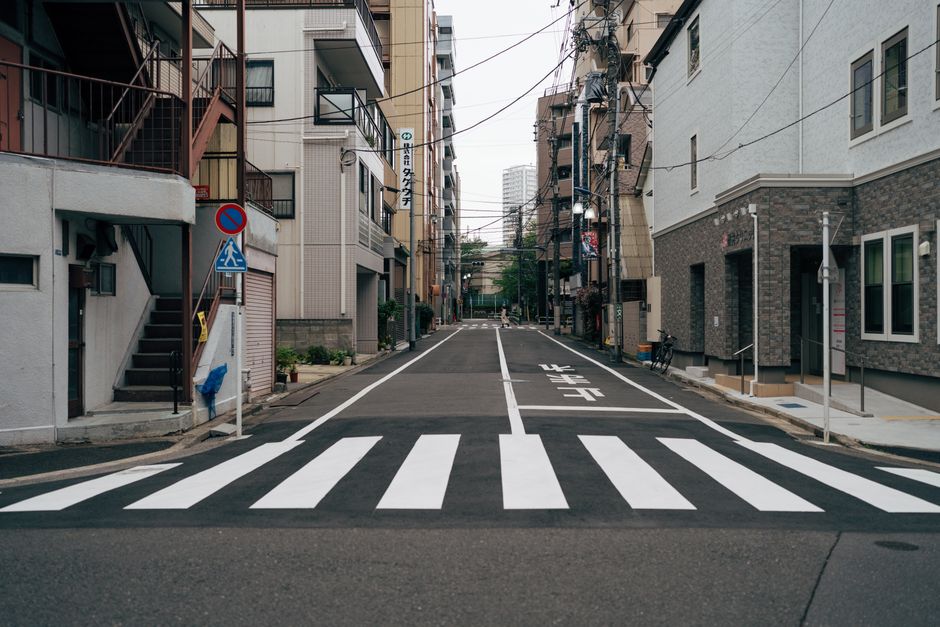
Walk through Shibuya's narrow alleys behind Center Gai and you'll find something that didn't exist here five years ago: organized resistance to erasure. The murals that have transformed Nonbei Yokocho and surrounding streets into an open-air gallery are now caught in a battle between the artists who create them, landlords who tolerate them, and developers who see real estate value where colour once bloomed freely.
The conversation accelerated this spring when three major properties in the district announced renovation plans. Local muralists discovered their work—some pieces representing two years of creative investment—would be painted over within months. Unlike Harajuku's Takeshita-dori corridor, where commercial interests have long dictated aesthetic direction, Shibuya's alley art emerged organically. What made it matter to locals was precisely its precariousness.
"Street art here became a conversation about ownership," explains the Shibuya Creative Collective, a newly formed group of roughly 40 artists coordinating preservation efforts. The organization has begun mapping every significant mural, documenting artists, and approaching property owners with formal requests for protection. Early responses have been mixed—some owners embrace the cultural cachet; others see only liability or obstruction.
The situation reflects broader tensions reshaping Tokyo's creative infrastructure. Roppongi's art galleries continue attracting international collectors and mega-galleries, while grassroots creative spaces in areas like Koenji face consistent pressure from rising rents. The street art sector occupies an uncomfortable middle ground: too established to ignore, too informal to protect under current heritage frameworks.
Meanwhile, younger creators are building alternative models. Legal frameworks borrowed from Berlin and Barcelona—where municipal governments formally license street art zones—are being studied by organizations including the Tokyo Metropolitan Government's Culture Bureau. A pilot program in a select Hatagaya block could launch by autumn, offering artists contracts that guarantee protection in exchange for formal site agreements.
The economics matter. Tourism boards estimate street art districts now attract 200,000 monthly visitors to Shibuya alone, generating significant foot traffic for cafes and boutiques. Yet artists themselves rarely benefit directly from this commerce. Piece rates remain non-existent; most work unpaid for the visibility and community respect.
What locals are genuinely debating now isn't whether street art belongs in Tokyo—that question was settled years ago. The real conversation is whether Tokyo can evolve systems that protect creative work while respecting property rights, whether public space can remain truly public when private interests intensify, and whether a city famous for erasure and renewal can learn to value something because it's temporary, not despite it.
This article was compiled by AI and screened before publishing. See our editorial standards.