Tokyo Art Galleries: 40 Years of Evolution From Ginza to Roppongi
Discover how Tokyo's art scene transformed from exclusive Ginza galleries to a democratic cultural ecosystem. Explore four decades of Japanese contemporary art history.
Discover how Tokyo's art scene transformed from exclusive Ginza galleries to a democratic cultural ecosystem. Explore four decades of Japanese contemporary art history.
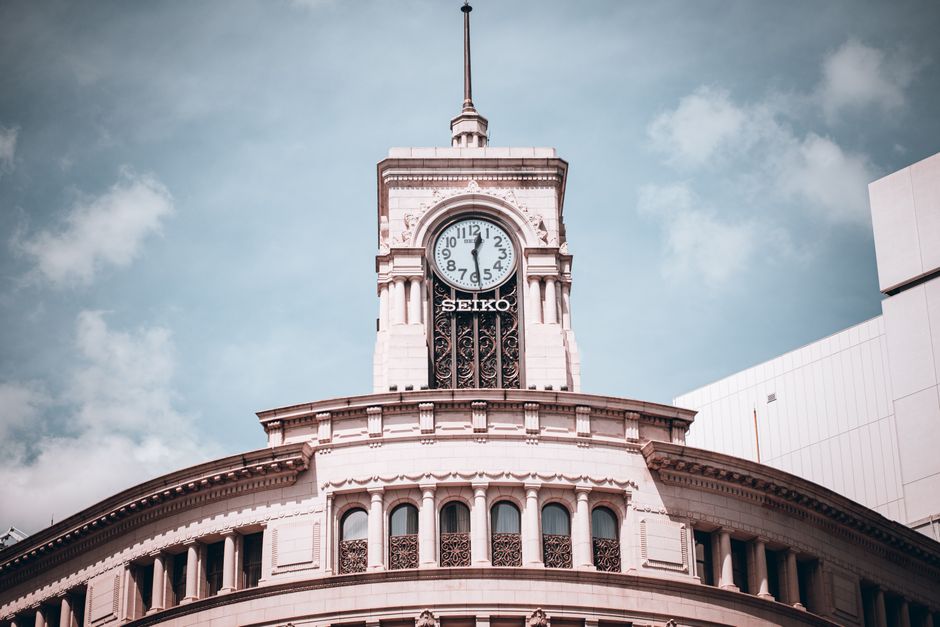
Walk through Ginza today and you'll find gleaming gallery windows displaying contemporary installations alongside heritage storefronts that have anchored the district since the 1970s. But this particular streetscape—ordered, curated, aspirational—represents just one chapter in Tokyo's art world evolution. The real story is messier, more democratic, and far more interesting.
In the 1980s, Tokyo's gallery scene was largely confined to Ginza's narrow lanes and a handful of prestigious museums like the Tokyo National Museum in Ueno. Galleries functioned as gatekeepers, access points for wealthy collectors and serious art professionals. The Gagosian Gallery didn't open its Ginza outpost until 2005. Before that, international contemporary art felt distant, mediated through expensive auction catalogues and art fairs in New York or Basel.
The real shift came with the rise of Roppongi as a cultural district in the 1990s and 2000s. The Mori Art Museum, which opened in 2003 on the 52nd floor of Roppongi Hills, symbolized a new ambition: art as architecture, as urban development, as lifestyle branding. Suddenly museums weren't just repositories—they were destinations that shaped entire neighborhoods. Today, Roppongi Hills attracts roughly 3 million annual visitors, many experiencing contemporary art for the first time.
Parallel to this, smaller independent galleries began colonizing overlooked areas. Kiyosumi-Shirakawa and Toyama transformed from industrial neighborhoods into thriving gallery districts over the past fifteen years, with rents and accessibility attracting younger curators and artists. The National Art Center in Roppongi, which opened in 2007, further democratized access by eliminating permanent collections—instead hosting rotating exhibitions that feel urgent, temporary, alive.
Tokyo's current landscape reflects this complexity. The Museum of Modern Art, Kamakura (founded 1951, relocated 2003) anchors the city's southern cultural sphere. The teamLab Borderless installations in Odaiba attract international tourists in unprecedented numbers. Meanwhile, DIY artist spaces in Harajuku and Shimokitazawa continue operating beneath the radar, reminiscent of Tokyo's scrappier 1980s art underground.
What's striking is how Tokyo avoided becoming a single-center art world like New York or London. Instead, multiple ecosystems coexist: the institutional prestige of Ueno, the luxury commerce of Ginza, the architectural ambition of Roppongi, and the grassroots energy of smaller neighborhoods. That friction, that refusal of hierarchy, feels distinctly Tokyo. The city's art scene evolved not by replacing what came before, but by layering new possibilities atop existing ones.
This article was compiled by AI and screened before publishing. See our editorial standards.
How does this story make you feel?
Spread the word
About this article
Published by The Daily Tokyo
Daily brief
Free, in your inbox before 7am. Weekdays.
More in culture