Tokyo Emerging Restaurants 2024: Young Chefs Reshaping Food Culture
Discover how Tokyo's emerging restaurants led by chefs under 35 are redefining dining in Shimokitazawa and Koenji with affordable, tradition-challenging venues.
Discover how Tokyo's emerging restaurants led by chefs under 35 are redefining dining in Shimokitazawa and Koenji with affordable, tradition-challenging venues.
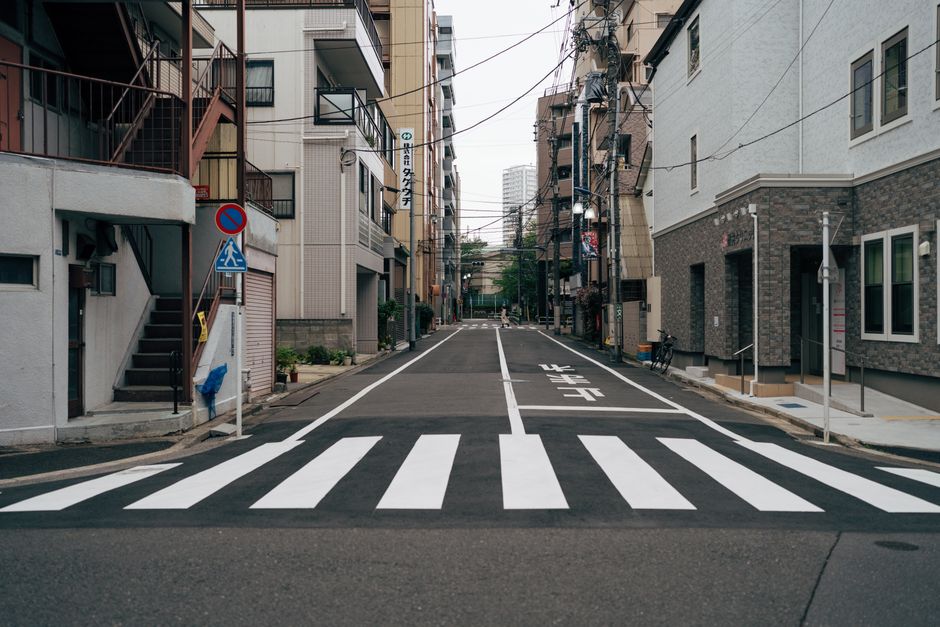
Tokyo's restaurant landscape has long been defined by mastery of established forms—pristine sushi counters, precise kaiseki sequences, ramen shops perfected over decades. But walk through Shimokitazawa's narrow alleys or Koenji's vintage storefronts today, and you'll encounter something different: a cohort of young culinary voices who view tradition not as law, but as conversation starter.
This shift represents a generational pivot. According to the Tokyo Restaurant Association, nearly 40 percent of new establishments opened in central wards since 2024 are led by operators under 35. These venues typically operate with lean teams—often just the owner plus two to three staff—and maintain price points between ¥3,500-¥8,000 per person, deliberately accessible compared to the ¥15,000-plus category that dominated the previous decade.
The emerging voices share common DNA: most trained under established mentors, spent time in international cities, and returned to Tokyo with hybrid perspectives. Rather than replicate their teachers' work, they're asking different questions. One Shimokitazawa natural wine bar operator sources exclusively from small Japanese producers in Yamagata and Nagano, pairing bottles with kamakama and smoked fish in combinations that would have seemed heretical five years ago. Nearby, a 29-year-old chef in a 12-seat counter space deconstructs childhood memories of her grandmother's home cooking, presenting them as conceptual tasting menus that cost ¥6,500.
The Harajuku and Omotesando corridor, traditionally the domain of luxury flagships, now houses experimental pop-ups and collaborative dinner series. Meanwhile, Ikebukuro's increasingly overlooked food scene has become incubator space—cheaper rent, fewer tourists, more creative freedom. A new ramen-adjacent concept there combines dashi-focused broths with vegetable-forward toppings, challenging the meat-centric orthodoxy.
Bar culture follows parallel lines. Rather than craft cocktails in the 1990s international style, younger bartenders in Shinjuku's backstreet izakayas are developing drink programs rooted in Japanese ingredients—miso, shiso, yuzu—treated with the same rigor their predecessors applied to imported spirits. These aren't gimmicks; they're expressions of ownership.
What unites these emerging operators is refusal to accept inherited hierarchies. They're opening in secondary neighborhoods, keeping covers modest, and building loyal communities rather than chasing Michelin recognition or international press. The restaurants and bars that endure will likely be those willing to embed themselves locally, experiment intelligently, and respect their diners as collaborators in an evolving conversation.
Tokyo's next wave isn't about revolution—it's about earning the right to make choices.
This article was compiled by AI and screened before publishing. See our editorial standards.
How does this story make you feel?
Spread the word
About this article
Published by The Daily Tokyo
Daily brief
Free, in your inbox before 7am. Weekdays.
More in culture