Tokyo's Digital Artists Reject AI Replication, Pioneer Algorithmic Subversion
Tokyo's digital art scene is undergoing a tectonic shift as a new generation of creators rejects rote replication in favor of algorithmic subversion.
Tokyo's digital art scene is undergoing a tectonic shift as a new generation of creators rejects rote replication in favor of algorithmic subversion.
A quiet revolution is unfolding in the backstreets of Shimokitazawa. This month, the focus of the city’s digital avant-garde has shifted toward a practice known as duplicate image replacement, a technique where artists use generative adversarial networks to dismantle and reconstruct static icons of urban life. At the Creative Cluster Hub near Shibuya Station, collective members are now deploying software that scrubs the repetitive visual clutter of billboard advertisements and replaces it with evolving, non-linear abstractions.
The urgency behind this movement stems from the recent oversaturation of AI-generated content in Tokyo’s advertising sector. As corporate platforms increasingly rely on standardized imagery, independent creators at venues like the SuperDeluxe gallery are pushing for a return to bespoke, process-oriented work. By manipulating existing data sets through custom code, these artists argue that they are reclaiming the visual autonomy of the city's public spaces, effectively 'replanting' original visual data where generic stock photos once stood.
The Tokyo Digital Arts Foundation has officially noted an uptick in this methodology, documenting a 22% increase in project proposals involving recursive image modification since March 2026. This data, published in the foundation's Q2 biannual report, suggests that the market for standard commercial illustration is shrinking as brands pivot toward these more dynamic, algorithmically-driven visual styles. For a mid-career digital artist, the cost of licensing the necessary high-compute server space currently sits at approximately 45,000 yen per month, a figure that has remained relatively stable despite the growing demand for specialized processing power.
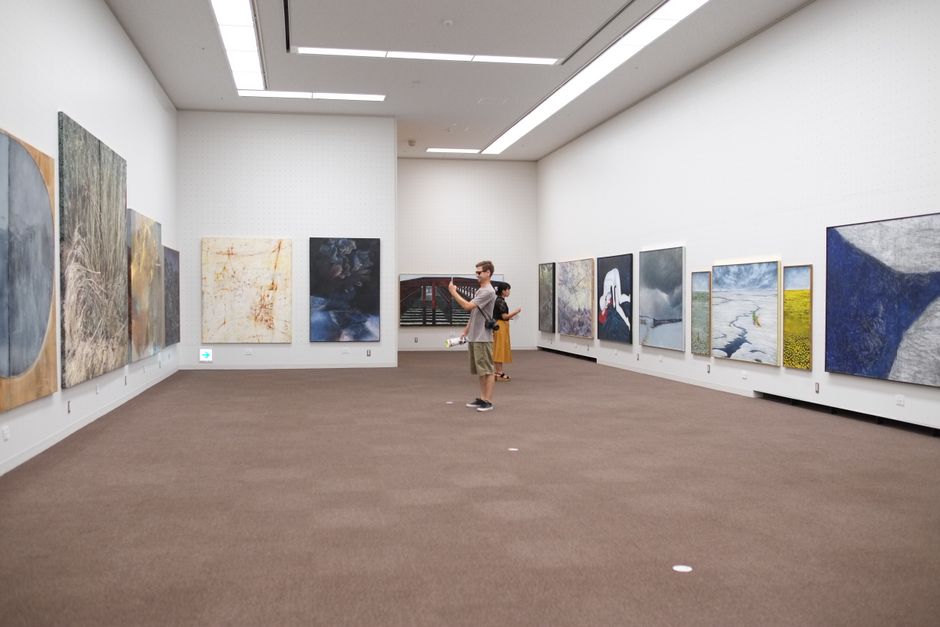
Visitors to the upcoming Tokyo Metropolitan Art Museum showcase in late August will likely see the first large-scale institutional integration of these replacement techniques. Curators are expected to feature installations that respond in real-time to the foot traffic of Ueno Park, using cameras to capture the environment and immediately re-render it via the duplicate image replacement protocol. This marks a transition from the studio-bound experiment to a public-facing spectacle.
For those looking to track the next wave of talent, keep an eye on the programming at the G/P gallery in Ebisu. Several emerging artists, such as the cohort currently working under the OpenFrameworks Japan initiative, are hosting workshops on the ethical application of synthetic data. If you intend to engage with this field, the most practical step is to familiarize yourself with the open-source libraries hosted on GitHub by the Tokyo Tech-Art Collective, which provide the foundational scripts used to identify and overwrite duplicate visual patterns in real-time. Expect to see these tools integrated into the standard workflow for freelance designers across Minato-ku by the winter of this year.
How does this story make you feel?
Spread the word
About this article
Published by The Daily Tokyo
Daily brief
Free, in your inbox before 7am. Weekdays.
More in culture