Tokyo’s Hidden Archives: The Story Behind the Scene and the People Who Created It
Beyond the neon glow of Shinjuku, a quiet movement of archivists and artisans is preserving the city’s vanishing subcultures.
Beyond the neon glow of Shinjuku, a quiet movement of archivists and artisans is preserving the city’s vanishing subcultures.
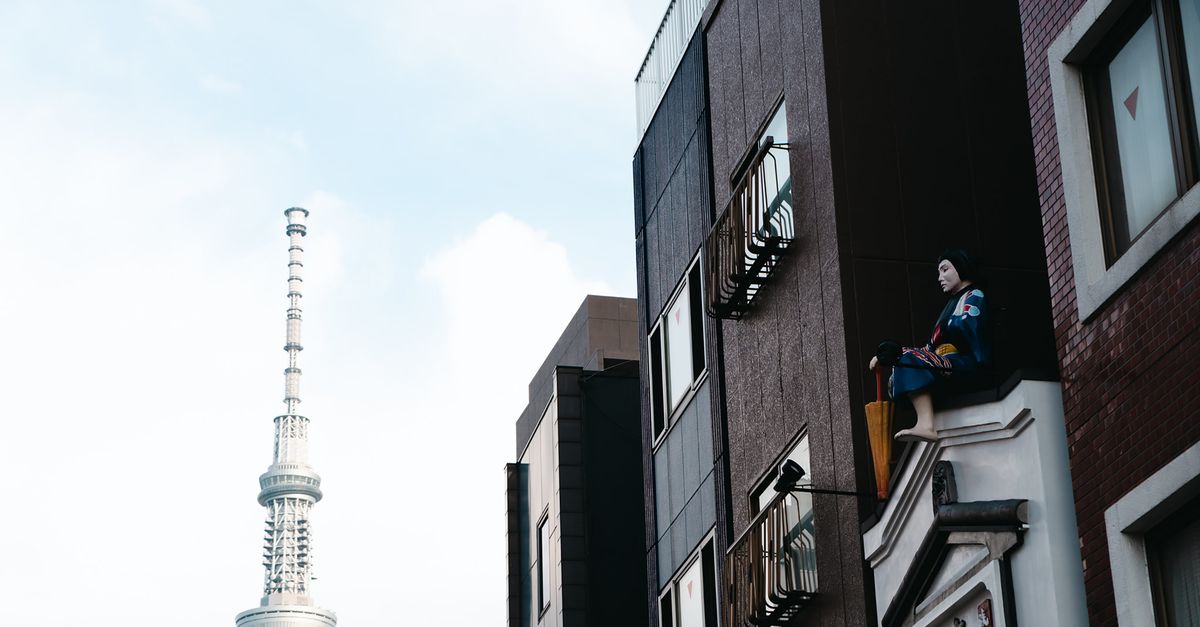
In the narrow, labyrinthine alleys of Shimokitazawa and the repurposed warehouse districts along the Sumida River, a quiet shift is occurring in how Tokyoites engage with their city. While major redevelopment projects continue to reshape the skyline, a dedicated group of independent curators, vinyl collectors, and retired craftspeople are formalizing the preservation of the neighborhoods that define Tokyo’s aesthetic character. Rather than moving toward the future, these cultural stewards are cataloging the street-level history that has been overlooked by formal municipal planning.
The movement finds its most visible expression in the work of the Tokyo Retro-Graphic Union, a grassroots organization operating out of a small studio in Yanaka. They have spent the past several years mapping the transition of local businesses, tracking how neighborhood izakaya and independent bookstores have evolved since the early post-bubble years. By collaborating with long-term residents, the group aims to document the social fabric of older districts like Ningyocho and Nezu, neighborhoods that remain anchored by traditional craft practices. Their efforts are designed to highlight how the city’s identity is tied to these specific, often-threatened micro-environments.
This initiative gains urgency as the metropolitan government accelerates large-scale infrastructure plans ahead of international events. For many residents, the concern is that the idiosyncratic character of neighborhood-specific architecture, such as the wood-paneled facades found in the backstreets of Koenji, is being replaced by uniform steel structures. The archives maintained by local collectives now serve as a repository for the aesthetic history of these spaces, ensuring that the visual language of Showa-era Tokyo is not entirely erased from the urban memory.
For those looking to engage with this side of the capital, access is often found through specialized programs. The Tokyo Metropolitan Foundation for History and Culture offers guided walks through designated historical districts, though independent galleries like those clustered near the Kanda Book Town provide a more granular look at the city’s literary and artistic legacy. Visitors seeking to understand this history should begin at the local community centers in Taito-ku, where records of historical urban development are periodically displayed. Many of these exhibitions are free to the public, though small donations are often encouraged to assist with the ongoing digital restoration of early twentieth-century photography.
Engaging with these spaces requires a departure from the typical transit-focused sightseeing routes. Most of these archival projects suggest visiting during weekday mornings, when the pace of the neighborhoods reflects their traditional roots rather than the weekend influx of visitors. Travelers interested in these narratives will find the most authentic experiences in the smaller, residential pockets where local shopkeepers still act as unofficial historians of their blocks. As these neighborhoods face further integration into larger city-wide renovation schemes, the work of these local archivists remains the primary link between contemporary Tokyo and its layered, decades-old past.
How does this story make you feel?
Spread the word
About this article
Published by The Daily Tokyo
Daily brief
Free, in your inbox before 7am. Weekdays.
More in culture