A complete guide to the best local experiences right now
From the quiet corners of Yanaka to the evolving art installations of Roppongi, here is how to navigate the capital's latest cultural pulse.
From the quiet corners of Yanaka to the evolving art installations of Roppongi, here is how to navigate the capital's latest cultural pulse.
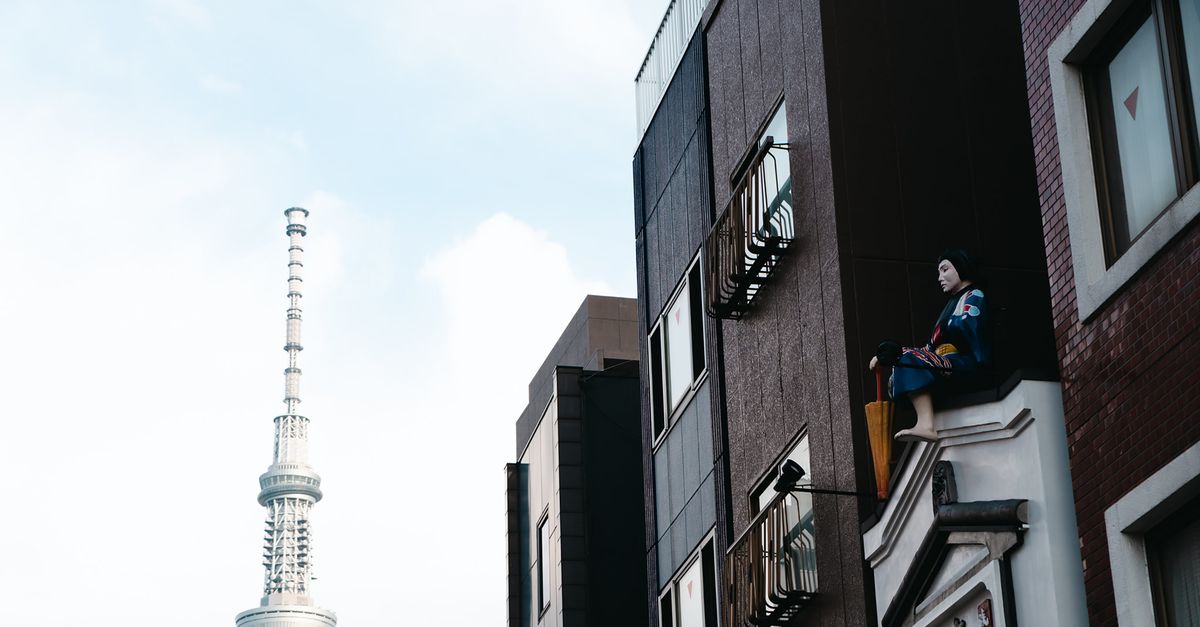
Tokyo’s rhythm is defined by a constant tension between the hyper-modern and the deeply traditional, a quality that is particularly pronounced this summer. As the city moves through July, residents are seeking out experiences that prioritize sensory engagement, ranging from immersive digital art to the seasonal aesthetics of temple gardens.
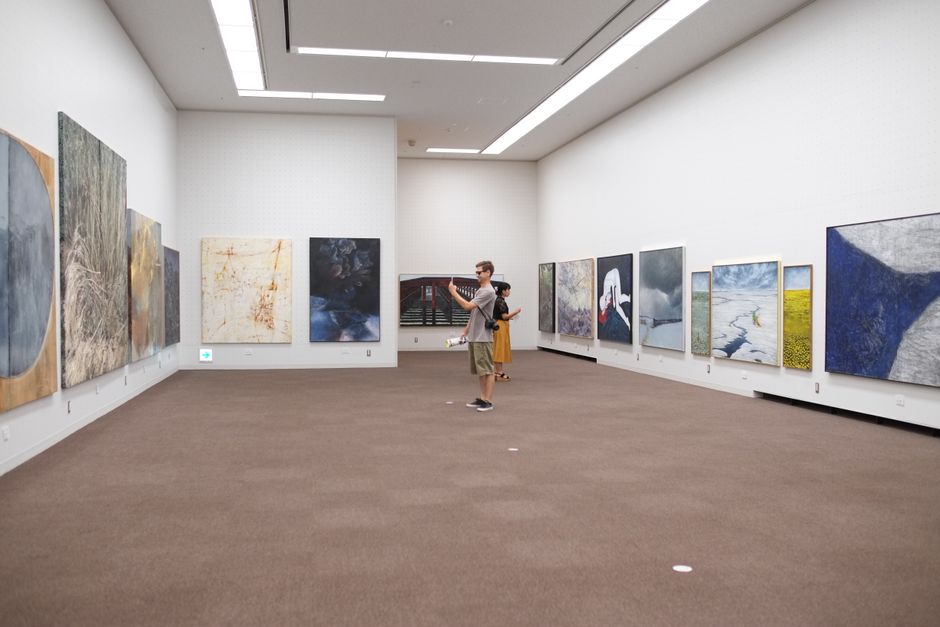
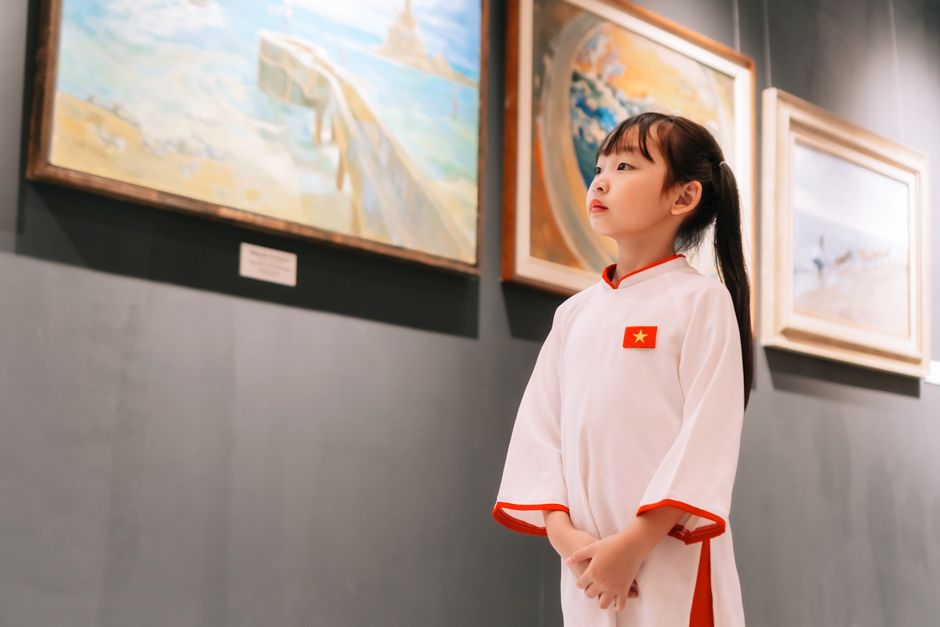
For those looking to escape the intensity of the major transit hubs, the Yanaka district offers a distinct shift in pace. Walking through the narrow alleys near Yanaka Cemetery provides a rare look at the 'shitamachi' atmosphere that survived the firebombing of the Second World War. Nearby, the Nezu Museum in Minato City continues to draw visitors for its sophisticated integration of pre-modern Japanese and East Asian art within a garden space designed to isolate the observer from the surrounding cityscape.
Simultaneously, the digital landscape remains a dominant force in Tokyo’s creative output. TeamLab Borderless in Azabudai Hills has become a central point for visitors engaging with interactive, non-linear art installations. Unlike traditional museum experiences, the environment relies on complex algorithmic projections that respond to human movement, effectively turning the visitor into a component of the artwork itself.
Tokyo’s seasonal calendar influences every aspect of local planning, particularly during the humid summer months. The 'natsu matsuri' or summer festivals held at various shrines, including Kanda Myojin, see significant participation from local neighborhood associations. These events act as vital social anchors, reinforcing community ties through traditional dance and music performances that often stretch late into the night.
Navigating these experiences requires a degree of foresight, as peak times at major institutions can see significant demand. For those planning a visit to the Mori Art Museum in Roppongi Hills, checking the institutional schedule for rotating exhibitions is recommended, as entry times are strictly managed to preserve the viewing environment. When visiting the central districts, utilizing the Tokyo Metro and Toei Subway networks remains the most efficient way to transit between these disparate cultural hubs, as surface traffic remains subject to the city's broader infrastructure demands.
As July progresses, outdoor activities will increasingly pivot toward evening hours to avoid the peak temperatures of the afternoon. Local venues, particularly in the nightlife districts of Shibuya and Shinjuku, often extend their programming to accommodate this shift, offering everything from jazz sessions in small 'kissaten' style bars to open-air film screenings in public plazas. Whether you are exploring the heritage sites of the eastern wards or the experimental galleries of the west, the best approach is to embrace the local preference for hyper-localized, seasonal discovery.
How does this story make you feel?
Spread the word
About this article
Published by The Daily Tokyo
Daily brief
Free, in your inbox before 7am. Weekdays.
More in culture