Shimokitazawa's Quiet Revolution: Why Tokyo's Artists Are Finally Staying Put
Once a bohemian waystation, the neighbourhood is now a destination—thanks to affordable rents, new community spaces, and a generation choosing rootedness over migration.
Once a bohemian waystation, the neighbourhood is now a destination—thanks to affordable rents, new community spaces, and a generation choosing rootedness over migration.
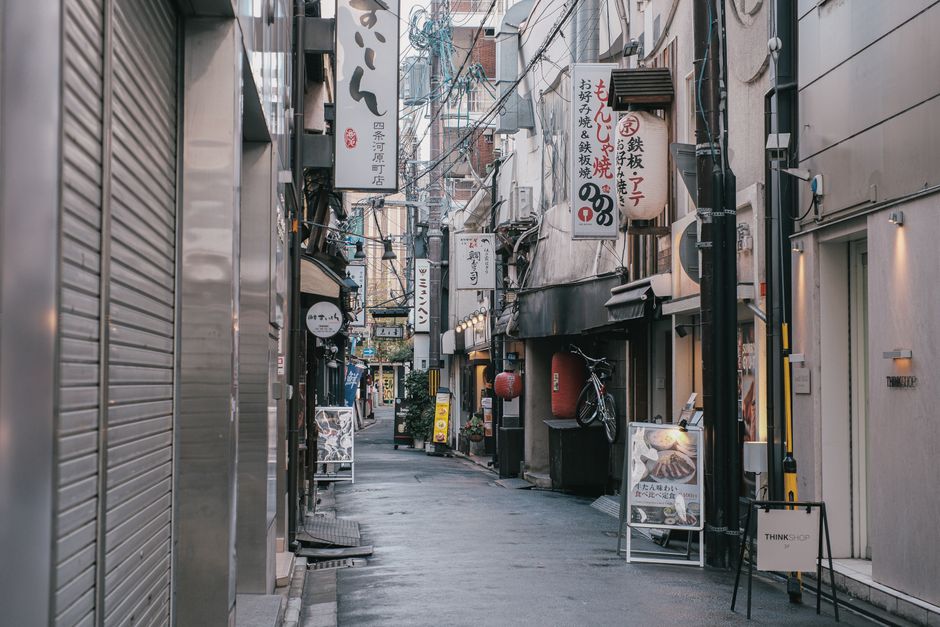
Walk down Shimokitazawa's narrow lanes on a Saturday morning, and you'll notice something that would have seemed impossible five years ago: permanence. The vintage record shops remain. The experimental theatre groups have stopped rotating. Young families are signing two-year leases instead of one.
The shift reflects a broader Tokyo trend accelerating since 2024. As rents in Shibuya and Shinjuku climbed past ¥200,000 monthly for modest two-bedroom apartments, younger creative professionals—designers, musicians, freelancers—began looking inward. Shimokitazawa, long dismissed as a transit neighbourhood for aspiring artists, suddenly became viable for those wanting to actually build something.
The numbers tell the story. Average apartment rents in Shimokitazawa hovered around ¥95,000–¥120,000 for a one-bedroom in 2026, compared to ¥160,000+ in adjacent Setagaya ward. More significantly, new community infrastructure appeared. The Shimokitazawa Creative Commons—a 3,000-square-metre co-working and residency space that opened last September—now hosts 150 regular members. A cooperative café near Suzuran-dori doubled its seating after partnering with a local non-profit focused on neighbourhood gathering.
"What changed isn't the neighbourhood—it's Tokyo's affordability crisis," explains the reality simply. People are staying because they can't afford to leave. But intention matters as much as economics. A generation that might have treated Shimokitazawa as a stepping stone is now treating it as home.
This shows up in community organizing. The Shimokitazawa Resident's Association, dormant for years, now meets monthly with 60+ attendees discussing everything from cycle paths to preserving the area's 11 small theatres. The Setagaya Ward office responded by designating several blocks as a "cultural preservation zone"—a subtle acknowledgement that residents want a say in how their neighbourhood develops.
The transformation isn't without tension. Rising property values have sparked debates about over-tourism and commercialization. A new boutique hotel on Kitazawa-dori drew complaints from long-term residents. Yet locals generally see these growing pains as preferable to the alternative: slow hollowing-out that characterized many Tokyo neighbourhoods during the 2010s.
For Tokyo's lifestyle landscape, Shimokitazawa's moment reflects something larger—a shift from viewing city living as temporary to viewing it as committal. People aren't passing through anymore. They're unpacking boxes, joining community groups, and planning for next year.
This article was compiled by AI and screened before publishing. See our editorial standards.
How does this story make you feel?
Spread the word
About this article
Published by The Daily Tokyo
Daily brief
Free, in your inbox before 7am. Weekdays.
More in lifestyle