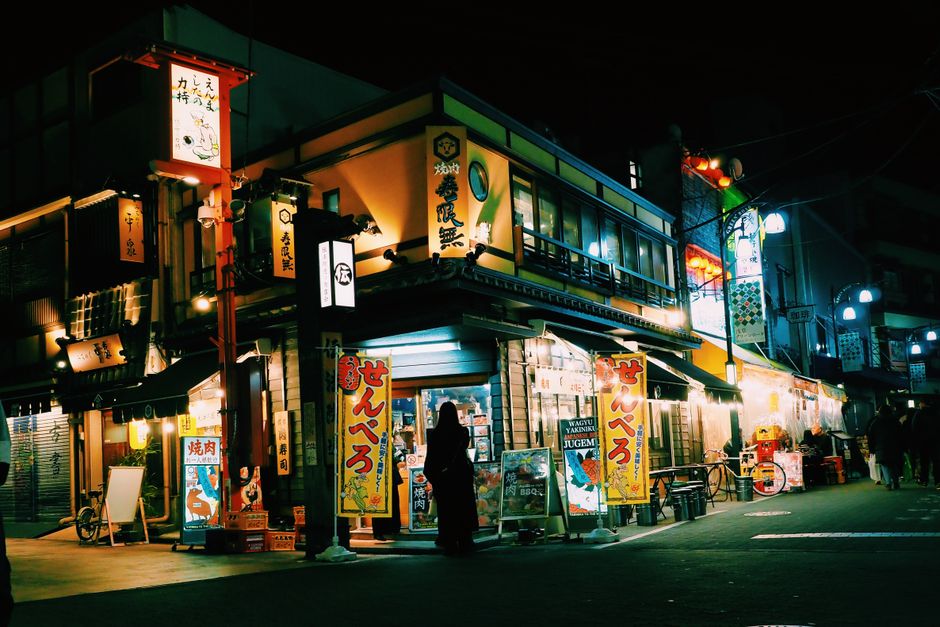
Walk into a standing sushi bar in Memory Lane (Omoide Yokocho) in Shinjuku at 11 p.m., and you'll witness something absent from New York's rooftop lounges or London's exclusive clubs: a salaryman sharing a counter with a university student, a grandmother with a businessman, all united by cheap Asahi and the unspoken code that seniority matters less than respect. This democratic intimacy—where a night out costs ¥3,000 to ¥5,000 ($20–$33) per person, with izakaya drinks starting at ¥500—defines Tokyo's nightlife in ways that transcend geography.
The city's bar culture thrives on specialization unknown elsewhere. In Ginza, you'll find bars dedicated solely to whisky, tended by craftspeople who've studied their craft for decades. Golden Gai's microscopic establishments—some fitting only five patrons—create micro-communities rather than transactional venues. Meanwhile, Roppongi caters to international crowds, yet maintains a distinctly Japanese sensibility: even the rowdiest clubs enforce strict dress codes and 3 a.m. closures, prioritizing order over excess.
What truly sets Tokyo apart is its infrastructure for after-dark socializing. The train system runs until midnight (with limited night buses afterward), meaning nightlife isn't confined to those with cars or hefty taxi budgets. This accessibility democratizes the scene. Karaoke boxes—a Japanese invention—pepper every neighborhood from Harajuku to Ueno, offering private, affordable spaces where colleagues bond over off-key renditions. There's no equivalent global model; bars worldwide remain public performance spaces.
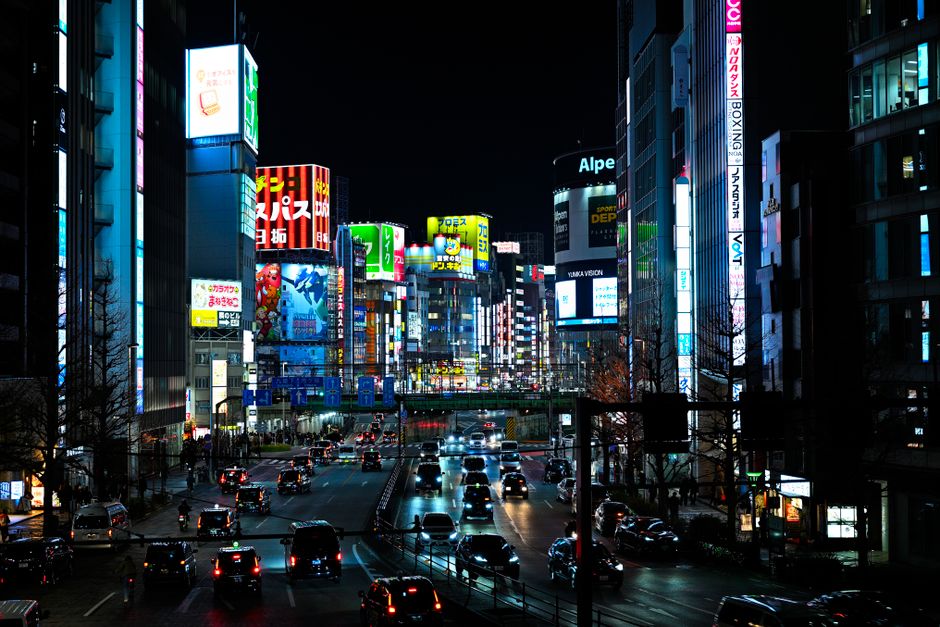
The data reflects this uniqueness. Tokyo's nightlife economy generates an estimated ¥2 trillion annually, yet the average drink costs significantly less than comparable cities. A craft cocktail runs ¥1,500–¥2,500 in Shibuya—half the price of comparable venues in Hong Kong or Singapore. Capacity distribution also differs: rather than concentration in single districts, Tokyo sustains dozens of distinct nightlife neighborhoods, each with its own character and clientele.
Perhaps most distinctly Japanese is the cultural emphasis on craft and service. Bartenders aren't hustlers; they're artisans. Hostess culture, while controversial globally, creates genuine social infrastructure for lonely salarymen. Host clubs operate on their own peculiar logic—paying for companionship rather than transactions—a model that confuses Western visitors precisely because it prioritizes emotional labor over conventional transactionalism.
Tokyo's nightlife works because it balances contradictions: accessibility with sophistication, tradition with innovation, individual anonymity with community belonging. No other global city manages this alchemy quite so seamlessly.
This article was compiled by AI and screened before publishing. See our editorial standards.