Moving to a major global city means navigating similar challenges: housing costs, visa requirements, language barriers. Yet Tokyo presents a distinctly different creature altogether—one that can feel simultaneously welcoming and bewilderingly insular, cutting-edge and frozen in tradition.
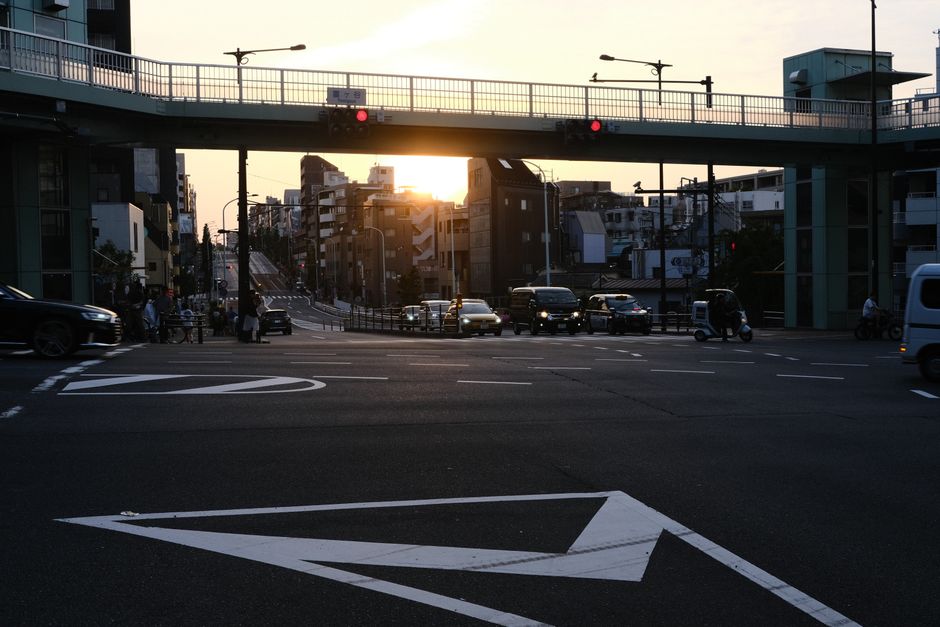
The most immediate revelation arrives via the Yamanote Line. This 34.5-kilometre loop connects Tokyo's entire ecosystem in 60 minutes, with trains arriving every two to four minutes. Expats accustomed to London's sprawling Underground or New York's aging subway find themselves liberated. A studio apartment in Shimokitazawa costs roughly ¥90,000–¥130,000 monthly, yet proximity to the city's pulse never requires a 90-minute commute.
Housing itself demands a different psychology. Unlike Singapore's streamlined property market or Dubai's expatriate-friendly rental systems, Tokyo requires patience, cash deposits (typically two months' rent as key money), and often a guarantor—a significant friction point for newcomers. Yet once secured, apartments in Shinjuku, Shibuya, or the quieter enclaves of Koenji offer affordable space by global megacity standards.
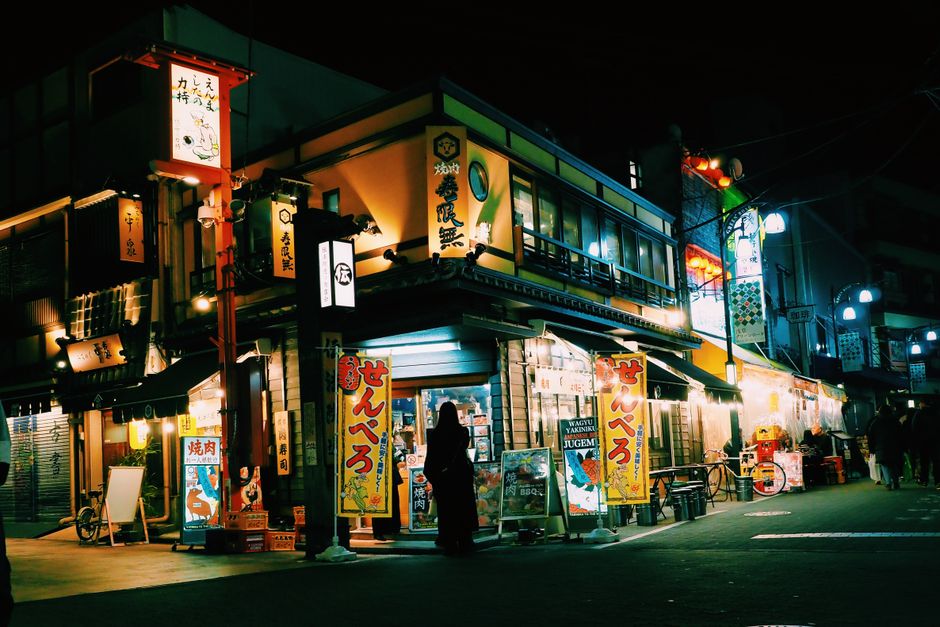
Where Tokyo truly diverges is in its stubborn rejection of English-language infrastructure. Major cities worldwide have adapted; Tokyo has selectively. Convenience stores, train stations, and hospitals in central wards offer English signage. Beyond that, expats inhabit a different Tokyo than tourists—one requiring Japanese literacy or deep reliance on translation apps and tight-knit expat networks centred around Roppongi, Azabu-Juban, and Hiroo.
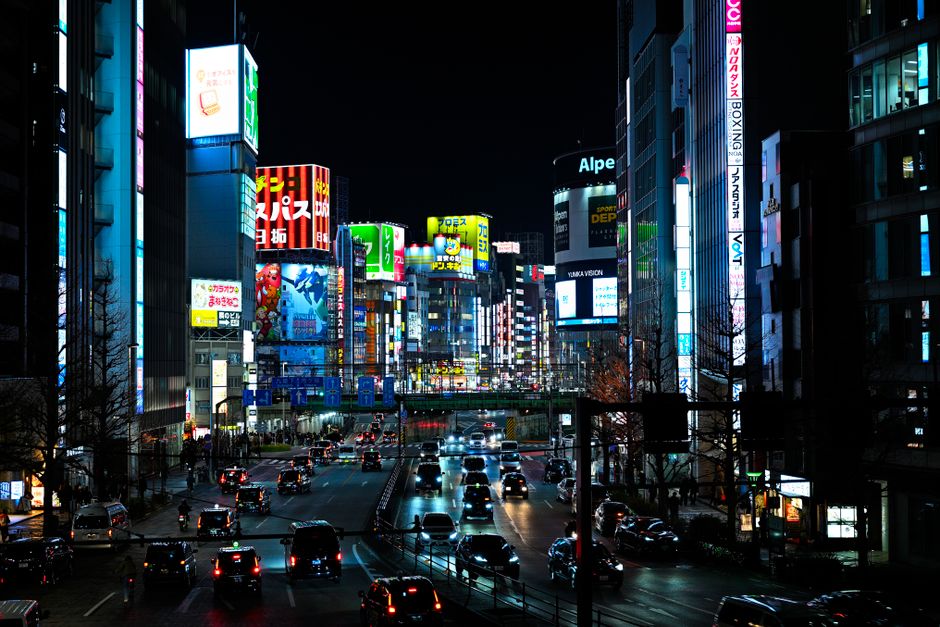
The cultural duality defines the experience most sharply. A workday in a Tokyo office—whether corporate or creative—often involves rigid hierarchies and after-work nomikai (drinking sessions) that feel transplanted from the 1980s. Yet step into teamLab Borderless in Odaiba or browse the avant-garde galleries of Omotesando, and you're in one of the world's most experimentally forward spaces.
Cost of living varies wildly by district. Expats in Minato ward live alongside Japan's wealthy elite; those in Itabashi or Nakano discover remarkable affordability. A monthly budget of ¥200,000–¥250,000 sustains comfortable living for a single person outside central wards.
Finally, Tokyo rewards those who embrace linguistic and cultural humility. Unlike more explicitly expatriate-oriented cities, Tokyo doesn't market itself as an easy destination—yet that very resistance creates authentic integration opportunities. The foreigners who thrive here aren't those seeking a Western bubble, but those willing to decode an intricate, rewarding, and persistently mysterious city.
This article was compiled by AI and screened before publishing. See our editorial standards.