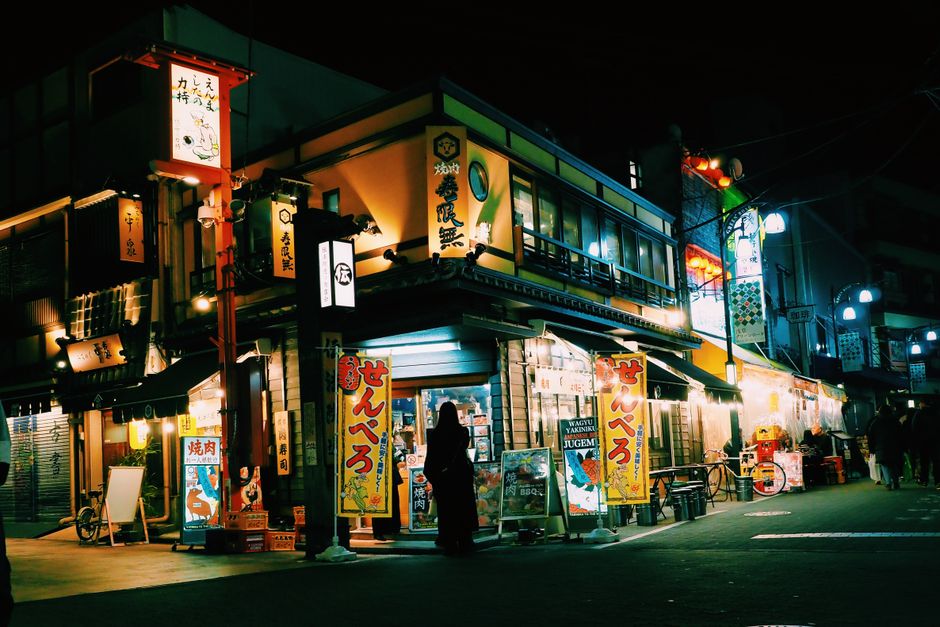
Walk down Tsukiji's narrow lanes on a weekday morning in 2026, and you'll notice something startling: the rhythmic thwack of fish vendors' knives has largely disappeared. Five years after the wholesale market's relocation to Toyosu, the neighbourhood that once defined Tokyo's culinary soul is experiencing an identity crisis—and a fascinating reinvention.
The transformation hasn't been gentle. Where 1,500 vendors once operated, fewer than 200 remain in what locals now call the "outer market" proper. Yet rather than becoming a ghost town, Tsukiji is evolving into something unexpected: a hybrid retail zone balancing heritage tourism with contemporary lifestyle commerce.
The Tsukiji Outer Market Association reports a 40% increase in independent boutique openings since 2024. Along Harumi-dori and the side streets feeding into what remains of the market, small clothing shops, artisanal coffee roasters, and vintage goods dealers have quietly claimed storefronts. A new wave of entrepreneurs—many in their 30s and 40s—sees opportunity where others see obsolescence. Monthly foot traffic has stabilised at around 15,000 visitors, a far cry from the 300,000 of peak years, but markedly different from the predicted collapse.
What's particularly striking is how remaining market vendors have adapted. Several seafood and produce sellers have introduced direct-to-consumer models, with online ordering and curated boxes for Tokyo households. Prices have become more transparent, with digital displays replacing the traditional shouted negotiations that once characterised the space. A 150-gram toro fillet that would have cost ¥4,500 in 2020 now sits at ¥3,200 through reformed retail practices.
The neighbourhood's evolution reflects broader patterns across Tokyo's older commercial districts. Ginza has seen similar shifts toward experiential retail, yet Tsukiji's transformation feels more organic—less polished, more authentically rooted in genuine community need rather than luxury branding.
Local restaurateurs still source from Tsukiji, though they increasingly supplement with Toyosu orders. The relationship feels less like dependence and more like selective curation—choosing specific vendors for quality rather than convenience.
Walking through Tsukiji today doesn't feel like visiting a museum piece. Instead, it feels like watching a neighbourhood negotiate its future in real-time, where loss and opportunity coexist uncomfortably but honestly. The markets of Tokyo are changing fundamentally, and Tsukiji remains instructive proof that even icons can evolve—if they're willing to shed their skin.
This article was compiled by AI and screened before publishing. See our editorial standards.