How Tokyo's Housing Crisis Became the Defining Urban Challenge of the 2020s
Decades of population decline, aging landlords, and planning rigidity have created a perfect storm that policymakers are only now beginning to address.
Decades of population decline, aging landlords, and planning rigidity have created a perfect storm that policymakers are only now beginning to address.
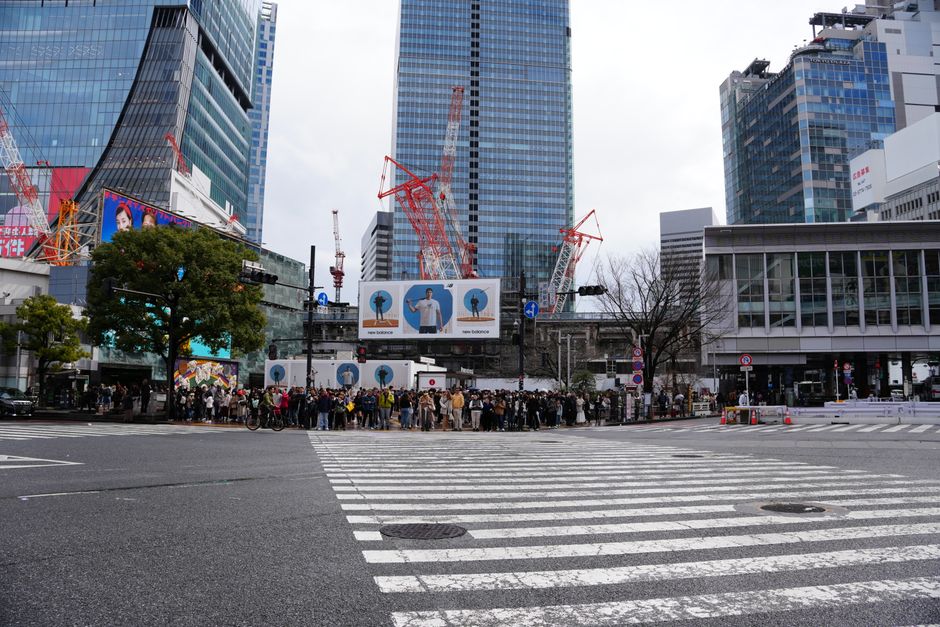
Tokyo's current housing emergency did not arrive overnight. Rather, it is the accumulated result of structural shifts that began quietly in the early 2000s, accelerated through the pandemic, and now define the capital's urban planning agenda heading into the 2027 metropolitan elections.
The roots run deep into demographic reality. Japan's population peaked in 2008 at 128 million; Tokyo's metropolitan population has flatlined since 2015. Yet the capital's housing stock continued expanding through sheer momentum—developers built apartments in Shibuya, Shinjuku, and the outer wards despite weakening demand. By 2020, nearly 900,000 residential units sat vacant across Tokyo, many in aging wooden buildings in neighbourhoods like Taito and Sumida.
Simultaneously, a generation of elderly landlords—primarily those who built properties in the 1960s-1980s boom—reached retirement age without clear succession plans. Inheritance taxes and maintenance costs made keeping small rental properties economically irrational. Properties that once housed working families gradually deteriorated, becoming liability rather than asset. The Ministry of Land, Infrastructure, Transport and Tourism estimates that Tokyo faces 2.15 million vacant homes by 2030 if current trends persist.
Planning regulations compounded the problem. Zoning laws designed to protect low-density residential character in areas like Meguro and Minato-ku made adaptive reuse difficult. Conversion of old residential stock into affordable co-housing, care facilities, or mixed-use spaces faced bureaucratic resistance. The rigid separation of commercial and residential zones that defined Tokyo's post-war planning prevented creative solutions.
Meanwhile, housing costs in desirable central wards remain prohibitive. Average rents in Chiyoda-ku exceeded ¥180,000 monthly by 2024, pricing out younger workers and families. This created a paradoxical Tokyo: crumbling vacant buildings adjacent to unaffordable new construction, with little middle ground.
The Metropolitan Government's 2025 Urban Renaissance Initiative finally acknowledged these interconnected failures. New guidelines now permit mixed-use development in residential zones and offer tax incentives for converting vacant stock into community housing. The Sumida Ward pilot project, launched in 2025, has converted fourteen abandoned properties into co-living spaces and neighborhood facilities.
Yet implementation remains slow. Local residents' associations often resist density increases. Property owners weigh uncertain renovation costs against demolition expenses. Real change requires sustained political commitment across municipal, prefectural, and national levels—a coordination Tokyo's fragmented governance has historically struggled to achieve.
The question now facing Tokyo is whether these tentative reforms can accelerate quickly enough to prevent the capital from becoming a city of ghosts within its thriving urban core.
This article was compiled by AI from the sources linked above and screened before publishing. See our editorial standards.
How does this story make you feel?
Spread the word
About this article
Published by The Daily Tokyo
Daily brief
Free, in your inbox before 7am. Weekdays.
More in News

