How Tokyo's Neighbourhood Watch Networks Stack Up Against Global Peers
As crime prevention shifts toward community-led initiatives worldwide, Tokyo's koban system offers lessons in hyperlocal safety that rival cities are scrambling to replicate.
As crime prevention shifts toward community-led initiatives worldwide, Tokyo's koban system offers lessons in hyperlocal safety that rival cities are scrambling to replicate.
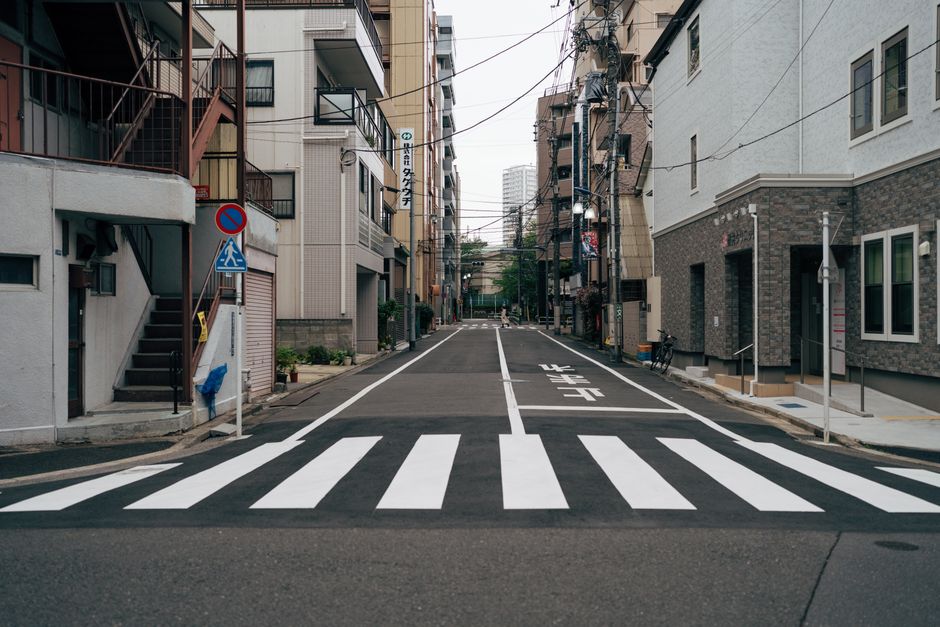
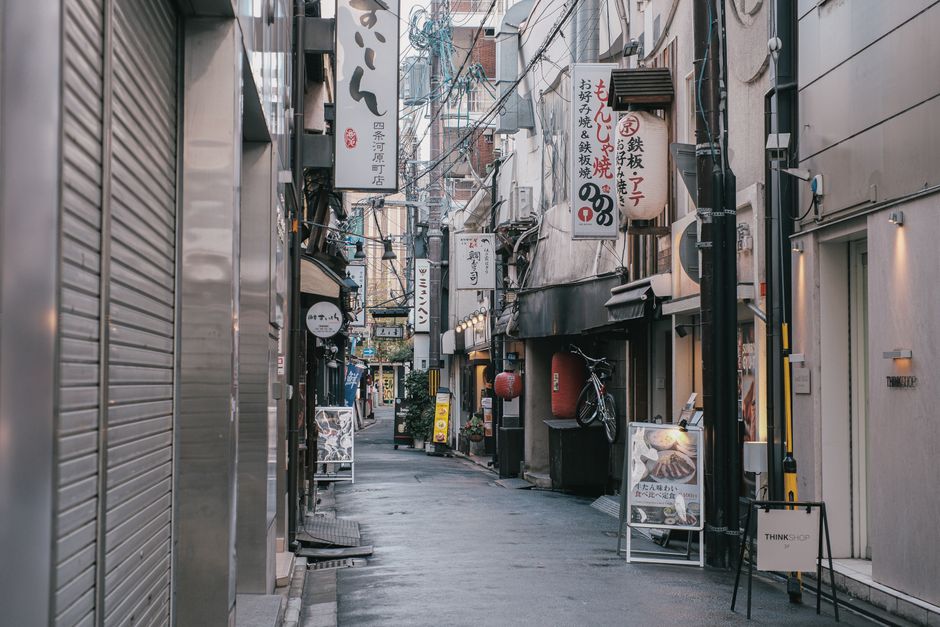
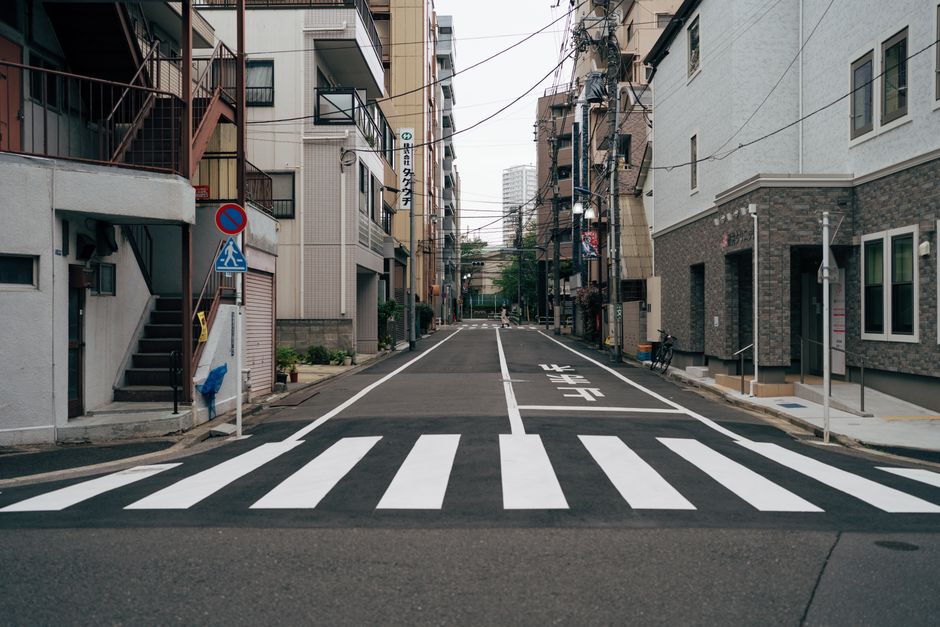
Walk through the residential streets of Shibuya or Shinjuku at night, and you'll notice something that distinguishes Tokyo from cities like London, New York, and Seoul: the koban—those small police boxes embedded into neighbourhoods like nerve endings throughout the urban fabric. With over 9,500 koban staffed by officers who live within their designated areas, Tokyo has built a neighbourhood security model that international urban planners are increasingly studying as crime prevention strategies shift globally.
The comparison is instructive. While London's Metropolitan Police has consolidated community policing into 32 boroughs serving 8.9 million people, Tokyo maintains its granular approach across 23 special wards, with each koban typically serving 4,000 to 6,000 residents. Officer Kenji Yamamoto, who has worked the koban in Minato ward for eight years, represents a continuity that contrasts sharply with rotating shifts common in Western police departments.
But the real innovation extends beyond the formal police structure. In neighbourhoods like Setagaya and Nakano, residents have formed active community groups—bukai—that conduct regular patrols and maintain communication networks. The Setagaya Residents' Safety Council, established in 1998, now coordinates with local businesses and schools across 26 distinct associations. Membership costs roughly ¥500 annually, subsidizing communication systems and training.
This contrasts with approaches in cities like Berlin and Toronto, where budget constraints have forced some communities to hire private security firms—a gap Tokyo's koban system has filled with public funding. Japan spends approximately ¥2.1 trillion annually on policing, with neighbourhood-level spending prioritized even as major crime rates remain among the lowest in developed nations.
Yet challenges persist across all cities. Tokyo's aging population means fewer young people joining patrol groups—a problem mirrored in Paris and Montreal. The 2023 Shibuya crime survey noted a 12 percent decline in active volunteers in community safety programmes compared to 2019, driven by demographic shifts and competing time demands.
Some neighbourhoods are experimenting with technology bridges. In Chiyoda ward, QR codes posted at koban locations link residents to digital safety alerts—a hybrid approach Tokyo is testing that Singapore and Hong Kong have already deployed more extensively.
The broader lesson emerging from Tokyo's experience is that hyperlocal engagement, sustained institutional presence, and community buy-in create resilience that purely technological or centralised approaches cannot replicate. As cities globally grapple with rising complex crimes and eroding public trust, Tokyo's neighbourhood-first strategy offers a model worth examining—even if it requires the kind of long-term institutional commitment that many cities find difficult to sustain.
This article was compiled by AI from the sources linked above and screened before publishing. See our editorial standards.
How does this story make you feel?
Spread the word
About this article
Published by The Daily Tokyo
Daily brief
Free, in your inbox before 7am. Weekdays.
More in News