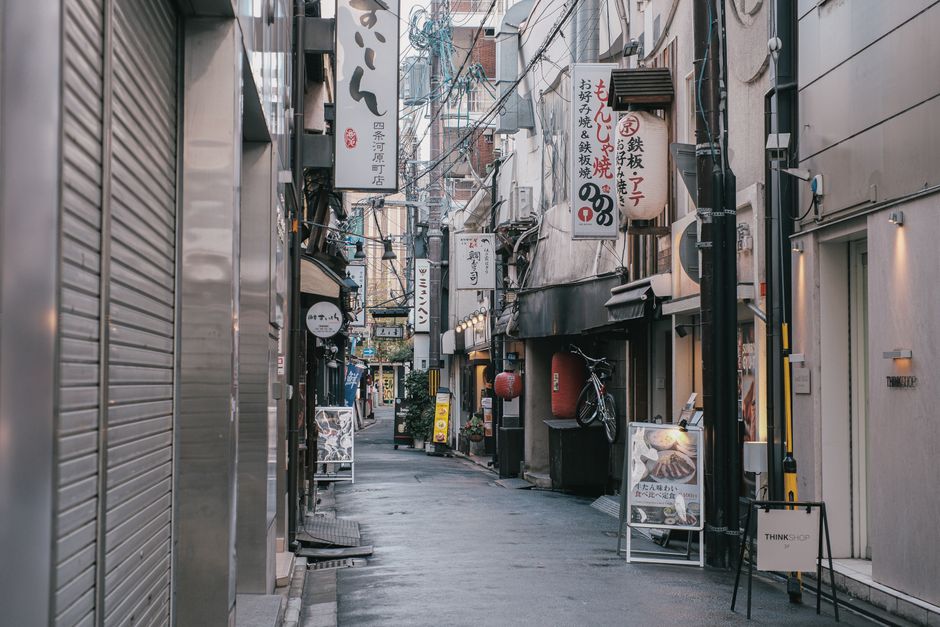
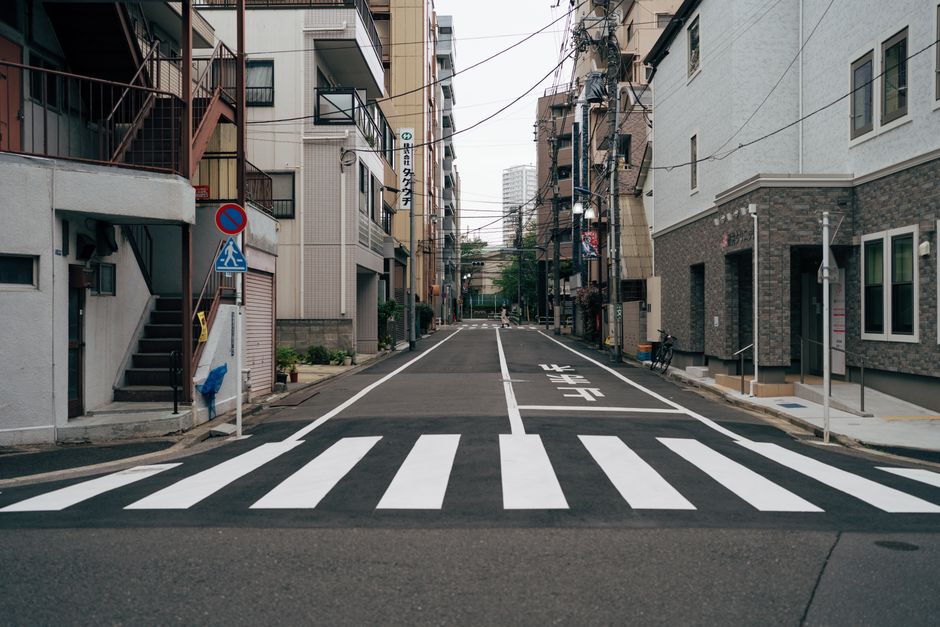
Tokyo's approach to housing policy stands in sharp contrast to the affordability crises unfolding across major global cities. While New York and London grapple with median rents exceeding ¥300,000 monthly and strict planning regulations that strangle supply, Tokyo has quietly become a relative bargain—and a model worth examining.
The average rent for a modest apartment in central wards like Chiyoda or Minato hovers around ¥180,000, significantly lower than comparable London or San Francisco neighbourhoods. Yet the real story lies not in price alone, but in policy philosophy. Tokyo's Metropolitan Government has actively deregulated zoning laws and streamlined approval processes for residential development, allowing mixed-use projects to flourish along the Yamanote Line and in emerging districts like Nakano and Ikebukuro.
This contrasts sharply with cities like Vancouver and Sydney, where restrictive single-family zoning and lengthy environmental reviews have created severe undersupply. Toronto's planning department processes residential applications over 3-4 years on average; Tokyo's comparable timeline sits at 18-24 months for most projects.
The 2024 revision of Tokyo's Urban Planning Law further relaxed height restrictions in designated corridors, enabling vertical densification without sprawl. The Metropolitan Government's push toward "compact city" development has prioritised transit-oriented housing near stations operated by Tokyo Metro and major commuter railways—a strategy increasingly borrowed by cities like Melbourne and Copenhagen.
Yet Tokyo faces its own structural headwinds. An ageing population and shrinking workforce mean housing demand is plateauing, leaving developers with fewer incentives to build affordable units compared to luxury apartments targeting wealthy foreign investors. The number of vacant properties in Tokyo crossed 850,000 in 2024, a phenomenon unfamiliar to supply-constrained Western cities but concerning nonetheless.
International urban planners visiting the Tokyo Metropolitan Government Building on Shinjuku's west side are increasingly interested in how the city balanced growth with affordability. Seoul has modelled elements of Tokyo's transit-oriented development strategy, while Berlin's housing authority has examined Tokyo's permitting streamlining as a potential solution to its own crisis.
Still, Tokyo's model is not universally replicable. Cities like New York face entrenched political opposition from existing homeowners; Tokyo's shift toward renting culture and lower homeownership rates reduced such resistance. Cultural factors matter too: Japanese planning culture emphasises collective stability over individual property rights, enabling swifter policy shifts.
As housing costs dominate agendas from Washington to Westminster, Tokyo's experience suggests that regulatory flexibility and planning efficiency matter as much as market forces—a lesson some of the world's most expensive cities are only now beginning to learn.
This article was compiled by AI from the sources linked above and screened before publishing. See our editorial standards.