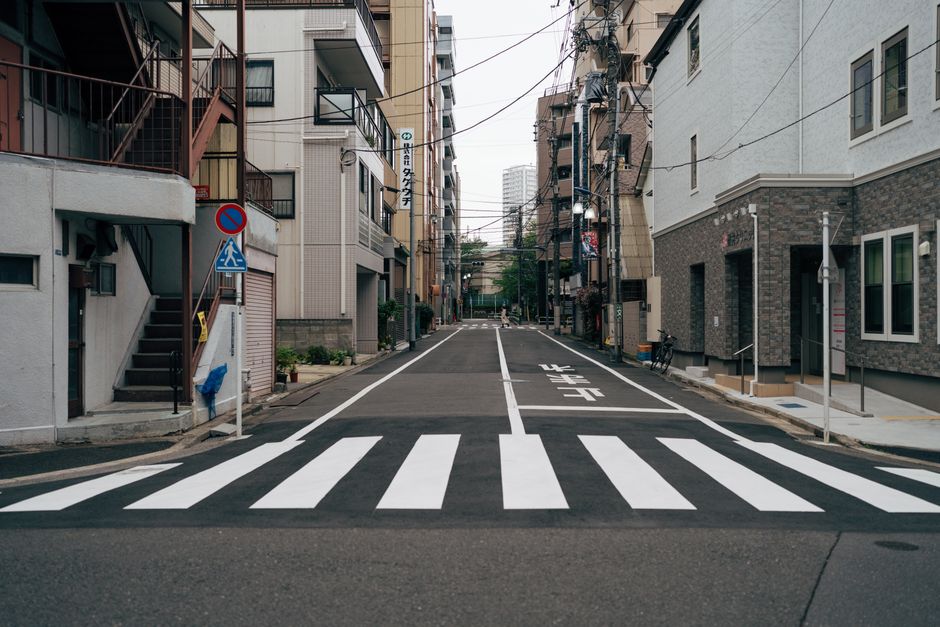
The narrow machiya townhouses and family-run restaurants that have anchored Asakusa's Nakamise-dori and surrounding streets for decades face an uncertain future as Tokyo's metropolitan government advances Phase Three of its urban revitalisation initiative. The plan, unveiled last month, targets properties across the ward for redevelopment into mixed-use complexes, potentially displacing dozens of long-established businesses and residents already struggling with rising rents.
At a community forum held at the Asakusa Public Hall on June 15th, residents aired their frustrations about a process many say lacked meaningful consultation. "We built our lives here," said one local shopkeeper who requested anonymity, operating a tempura restaurant on a side street off Nakamise-dori for 34 years. "The city talks about 'modernisation,' but nobody asks whether we want this."
The numbers underscore the pressure facing residents. Average residential rents in Asakusa have climbed 23 percent over five years, according to real estate data compiled by Tokyo Metropolitan Government housing bureau. A two-bedroom apartment that rented for ¥95,000 monthly in 2021 now averages ¥117,000. For small business operators paying commercial rates, the situation is more dire—some properties have doubled in cost.
The redevelopment plan envisions transforming what officials describe as "underutilised urban spaces" into residential towers with ground-floor retail, aiming to attract younger professionals and international visitors. Officials project the scheme will generate an estimated ¥8.3 billion in economic activity and create 340 permanent jobs.
Yet community groups, including the Asakusa Residents' Association and the Taito Ward Small Business Federation, worry the benefits will bypass existing residents. "They're building for newcomers with money, not for the people already here," explained a nursing home director based near Senso-ji Temple, during an interview at a local café. She expressed concern that elderly residents, many of whom live in modest rental properties earmarked for redevelopment, would face displacement.
Yasushi Nakamura, director of the Taito Ward Citizens' Centre, acknowledged tensions. "The city needs to grow and modernise, but not at the expense of communities that give Tokyo its character," he said in a statement. "We're calling for extended consultation periods and relocation support guarantees."
Metropolitan planners have scheduled additional community meetings through August before the Tokyo Metropolitan Assembly votes on funding allocations in autumn. For residents of Asakusa, the next few months may determine whether their neighbourhood evolves or disappears.
This article was compiled by AI from the sources linked above and screened before publishing. See our editorial standards.