Tokyo's Auction Block Tells the Real Story: Where Prices Are Signalling Opportunity in 2026
Recent forced sales and clearance data reveal shifting investor sentiment across Tokyo's ring line, with outer wards outpacing central premiums.
Recent forced sales and clearance data reveal shifting investor sentiment across Tokyo's ring line, with outer wards outpacing central premiums.
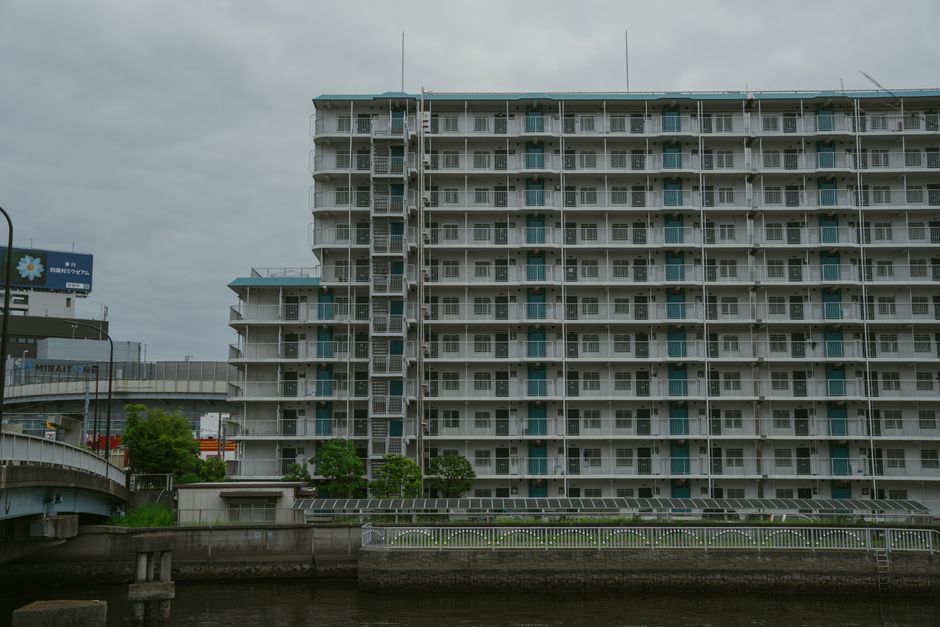
The Tokyo property market's true direction rarely emerges from headline asking prices. Instead, look to what buyers actually bid for when properties hit the auction block—and the signal coming through June's clearance data is unambiguous: the centre is consolidating, while the periphery is awakening.
Last month's forced sales across the capital painted a telling picture. Properties within the Yamanote Line circle that would have commanded 58–62 million yen three years ago are now settling at 52–56 million, with clearance rates hovering near 73 per cent—steady, but not buoyant. Meanwhile, outer-ward auctions in Suginami and Musashino are moving faster, with comparable-grade residential stock clearing at rates touching 81 per cent. That velocity matters more than asking price.
The shift is geographic and generational. Young families priced out of Shibuya and Shinjuku's CBD fringe are bidding confidently on refurbished homes along the Chuo Line corridor—particularly around Koenji and Asagaya, where recent auction results show 45–52 million yen fetching genuine competition. Estate agents report viewing traffic in those wards has doubled year-on-year. By contrast, compact Minato apartments, once trophy assets for foreign investors, are stalling: several 2-bedroom units near Roppongi crossed the block in May unsold, then re-listed at 8–12 per cent discounts.
The data also signals a landlord-tenant recalibration. Rental yields in inner wards have compressed to 2.8–3.2 per cent, pushing yield-hungry investors toward Nakano and Kichijoji, where comparable properties now offer 4.1–4.7 per cent—attractive enough to justify longer commutes for tenants and lower capital appreciation for owners. Auction results show these outer neighbourhoods clearing in 38–45 days, versus 62–71 days in premium postcodes.
What should suburban investors read into this? Price discovery is happening outside the ring. The Musashino and Suginami family-market clusters are no longer secondary plays—they're primary markets now, with demographic tailwinds and auction evidence supporting sustained demand. Meanwhile, consolidation in high-priced central wards suggests a market sorting: trophy addresses hold, but mid-range CBD-fringe stock is under pressure.
For agents and buyers, the lesson is clear: ignore the average. Tokyo's 55 million yen headline figure masks a widening divergence. Auctions don't lie. Those watching the block—not the listing boards—will find the real momentum.
This article was compiled by AI from the sources linked above and screened before publishing. See our editorial standards.
How does this story make you feel?
Spread the word
About this article
Published by The Daily Tokyo
Daily brief
Free, in your inbox before 7am. Weekdays.
More in Property


