Breaking Into Tokyo's Luxury Market: A First-Time Buyer's Navigation Guide
With penthouses in Minato commanding ¥200m+, newcomers to Tokyo's prestige property sector need strategy, patience, and insider knowledge.
With penthouses in Minato commanding ¥200m+, newcomers to Tokyo's prestige property sector need strategy, patience, and insider knowledge.
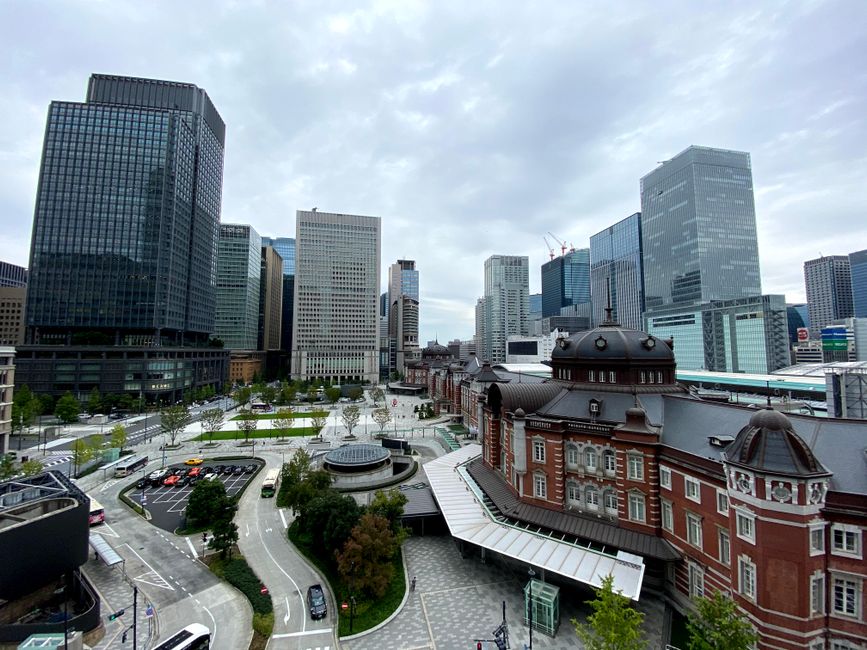
Tokyo's luxury residential market has shifted dramatically. While the city's average property hovers around ¥55m, the rarefied world of high-end real estate—properties exceeding ¥150m—operates by entirely different rules. For first-time buyers considering entry into this sphere, understanding the landscape is essential.
The Yamanote Line circle remains the ultimate prestige anchor. Within this corridor, Minato ward dominates the conversation. Roppongi Hills, Arakawa-cho, and the newly developed waterfront precincts command premium pricing: ¥3m–¥5m per square metre is standard for trophy properties with city views. However, savvy first-timers are looking sideways. Shibuya's Sendagaya and Shinjuku's Nishi-Shinjuku are attracting serious buyers seeking contemporary luxury without the Minato surcharge—typically ¥2m–¥3m per square metre for equivalent specifications.
Location hierarchy matters acutely. Proximity to Omotesando, Ginza's luxury retail corridor, or Nihonbashi's heritage-meets-modern positioning justifies premium valuations. Yet the outer metropolitan zones—Musashino and Suginami—are quietly reshaping buyer expectations. Family-oriented luxury developments here offer space and amenities at ¥80m–¥120m, attracting executives relocating from abroad or established professionals downsizing strategically.
First-time luxury buyers must engage early with specialist agents. Tokyo's major international firms maintain portfolios specifically curated for this segment. They understand off-market inventory—properties never publicly listed but circulated through private networks. Building relationships with these gatekeepers takes time; expect 6–12 months of property viewing before committing.
Due diligence extends beyond aesthetics. Investigate building management structures, earthquake resilience certifications, and long-term maintenance reserve funds. Luxury condominiums in seismic-prone Tokyo require robust engineering credentials. Request structural documentation and reserve fund audits. Properties built post-2000 using modern seismic technology command confidence premiums.
Financing presents unique challenges. Japanese banks offer mortgages capped at 80% LTV for properties exceeding ¥200m. First-time buyers should expect to provide 20–30% down payment. International buyers face stricter criteria; establish Japanese tax residency and banking relationships beforehand.
Finally, timing considerations. Tokyo's luxury market typically tracks broader economic cycles with a 6–12 month lag. Current interest rate stability has sustained buyer interest, but regulatory shifts around foreign ownership remain monitored. Consult tax specialists regarding capital gains implications and future inheritance considerations.
The luxury market rewards preparation. Engage advisors early, understand neighbourhood fundamentals beyond prestige cachet, and recognize that entry into this segment demands patience rather than impulse.
This article was compiled by AI from the sources linked above and screened before publishing. See our editorial standards.
How does this story make you feel?
Spread the word
About this article
Published by The Daily Tokyo
Daily brief
Free, in your inbox before 7am. Weekdays.
More in Property


