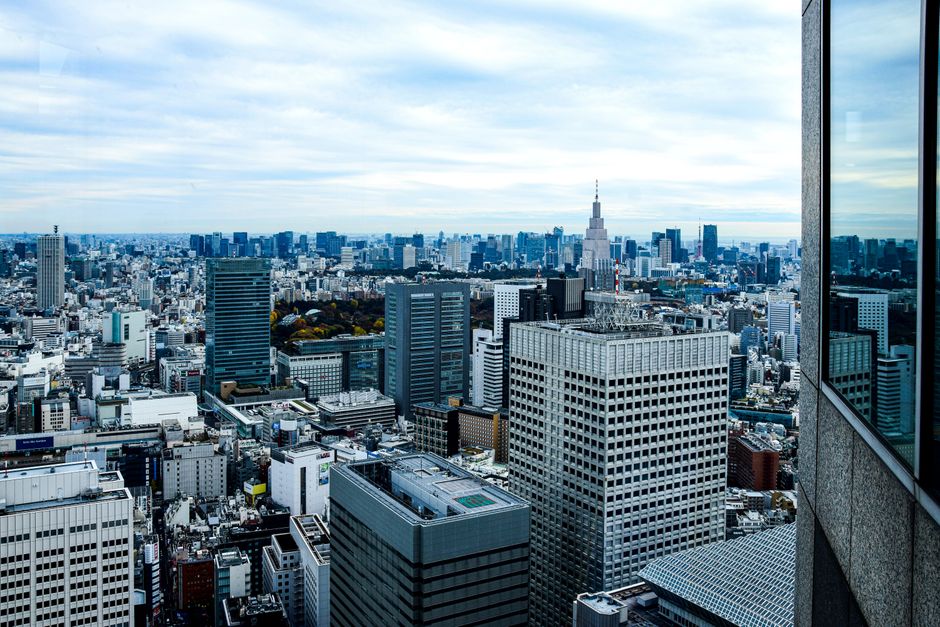
Tokyo's first-home buyer landscape is shifting dramatically as major new development projects reshape affordability across the metropolitan region. While the Yamanote Line circle and inner wards like Shibuya and Shinjuku remain out of reach for most newcomers—with average prices hovering near ¥55 million—a wave of mixed-use projects in Musashino, Suginami, and stations along the Chuo and Keio lines is creating genuine entry points.
The most significant catalyst is the expansion of first-home buyer support schemes administered through the Japan Housing Finance Agency (JHF). Recent updates to the flats loan program now explicitly favour properties in designated development zones, effectively subsidising first-timers who purchase within newly constructed buildings. For buyers targeting properties under ¥35 million, interest rate reductions of 0.3–0.5% are now standard—meaningful savings over a 35-year mortgage.
Take the Kichijoji–Musashino corridor as a case study. Multiple transit-oriented developments completed in the past 18 months have delivered one- and two-bedroom units priced between ¥28–42 million. These projects benefit from proximity to the Inokashira Line and local amenities around Marui shopping centre and the park precinct, making them attractive to young professionals and couples. Suginami's newer clusters—particularly around Asagaya and Ogikubo stations—are similarly active, with developer-led projects offering below-average pricing for the outer metro zone.
What makes this cycle different is the timing alignment between supply and policy support. The JHF's recent amendments coincide with a developer push to increase family-friendly stock in outer wards, explicitly targeting first-time buyers. Units marketed as 'first-home-friendly' now routinely advertise pre-approved lending pathways and grant eligibility from municipal governments, reducing friction in the approval process.
However, buyers must move strategically. New development premiums—typically 10–15% above secondary-market comparables—eat into savings gains. A ¥40 million new-build in Musashino might command 12% more than a 10-year-old equivalent property two stations away. The grant advantage usually offsets this within five years, but opportunity cost analysis is essential.
Location matters beyond price. Stations on the Keio and Odakyu lines extending southwestward toward Kanagawa are seeing particularly robust new supply, with spillover appeal for Tokyo commuters seeking space and affordability. Conversely, new projects in inner Suginami along the Marunouchi Line extension are selling faster, driven by office worker demand.
For first-timers, the window is open but competitive. Clear Eyes Real Estate and online portals now flag development-stage eligibility in real time. The message: act informed, move decisively, and leverage grants before the next rate cycle.
This article was compiled by AI from the sources linked above and screened before publishing. See our editorial standards.