Tokyo's affordable housing crisis has reached a turning point. While the city's median residential price hovers around ¥55 million, first-time buyers seeking properties under ¥30 million in desirable neighbourhoods are discovering a market increasingly difficult to navigate. Understanding what's pushing prices upward—and where pockets of opportunity still exist—has become essential for anyone entering the market in 2026.
The primary driver is inventory collapse in the sub-¥35 million segment. Properties in family-friendly areas like Suginami and Musashino, traditionally Tokyo's entry-level zones, are moving faster and commanding premiums that seemed unthinkable five years ago. A modest two-bedroom apartment near Asagaya Station or along the Chuo Line in Musashino now regularly sells within weeks, often above asking price. The reason: fewer older properties are being converted to affordable units, while renovation costs for 1970s-era stock have surged.
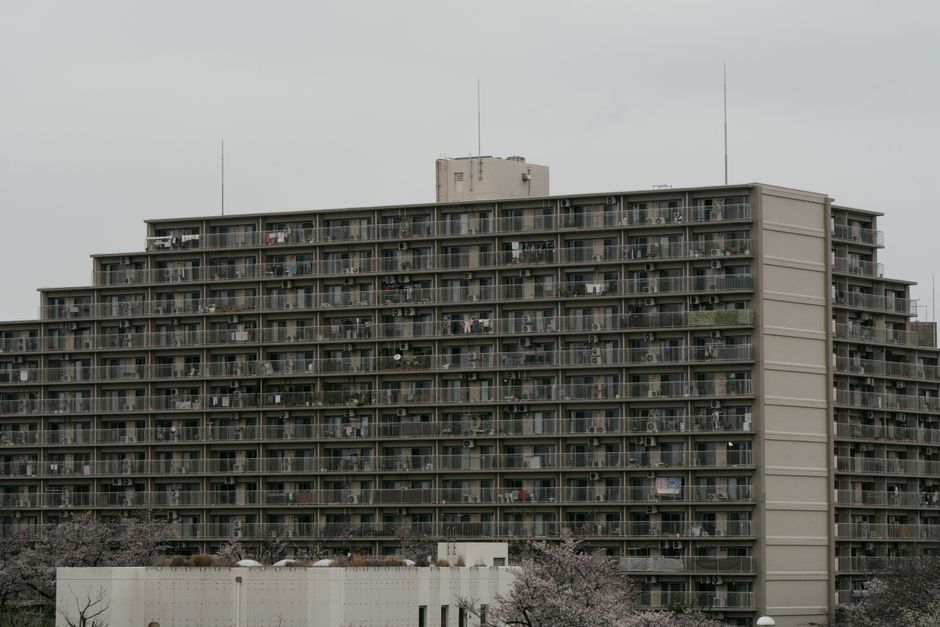
Policy shifts are compounding the problem. Tokyo Metropolitan Government initiatives aimed at redeveloping aging apartment blocks have inadvertently reduced the supply of cheap rental conversions—owners now see greater profit in demolition and rebuilding rather than selling to first-time buyers. Meanwhile, the UR (Urban Renaissance) Corporation and Tokyo Housing Supply Corporation have maintained strict income thresholds that exclude many young professionals in their late twenties and early thirties.
What buyers need to know: the Yamanote Line premium remains brutal, but outer metropolitan corridors—particularly around Nakano, Ogikubo, and stations along the Sobu Line toward Chiba—offer relative value. Properties in these areas have appreciated 8–12% annually, but remain 15–20% cheaper than equivalent stock in Shibuya or Shinjuku wards.
Second, older buildings aren't necessarily bad bets. Properties built in the 1980s with solid bones and recent seismic retrofitting often represent genuine value, particularly in Suginami's quieter residential blocks near Shimizu Park or along the Keio Line. Structural surveys are essential, but buyers prepared to renovate can still find ¥25–28 million properties with genuine upside.
Finally, social housing programs deserve closer attention. Tokyo's koei-jütaku (public housing) waiting lists have lengthened, but application windows still open quarterly. While allocations favour families and seniors, younger applicants with stable employment increasingly qualify for ¥8,000–15,000 monthly rent on units across Adachi, Katsushika, and Edogawa wards.
The window for affordable entry-level purchases in central Tokyo is narrowing. Acting within the next 12–18 months, before further redevelopment reshapes outer-metro supply, remains advisable for serious buyers.
This article was compiled by AI from the sources linked above and screened before publishing. See our editorial standards.