Tokyo's New Zoning Rules Unlock Billions in Development—But Not Where You'd Expect
Sweeping changes to height restrictions and mixed-use mandates are reshaping Tokyo's property landscape, with outer metro suburbs emerging as the unexpected winners.
Sweeping changes to height restrictions and mixed-use mandates are reshaping Tokyo's property landscape, with outer metro suburbs emerging as the unexpected winners.
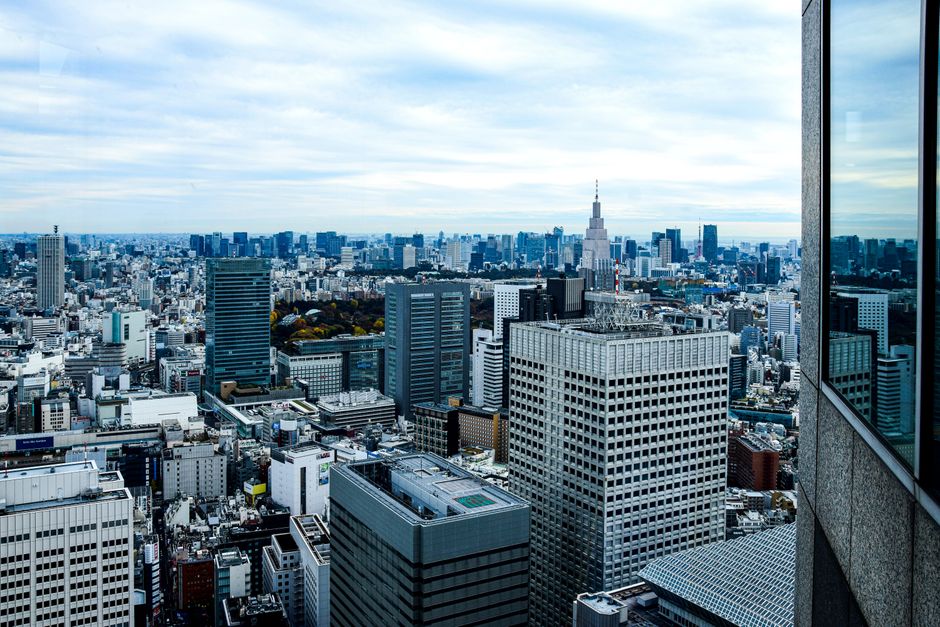
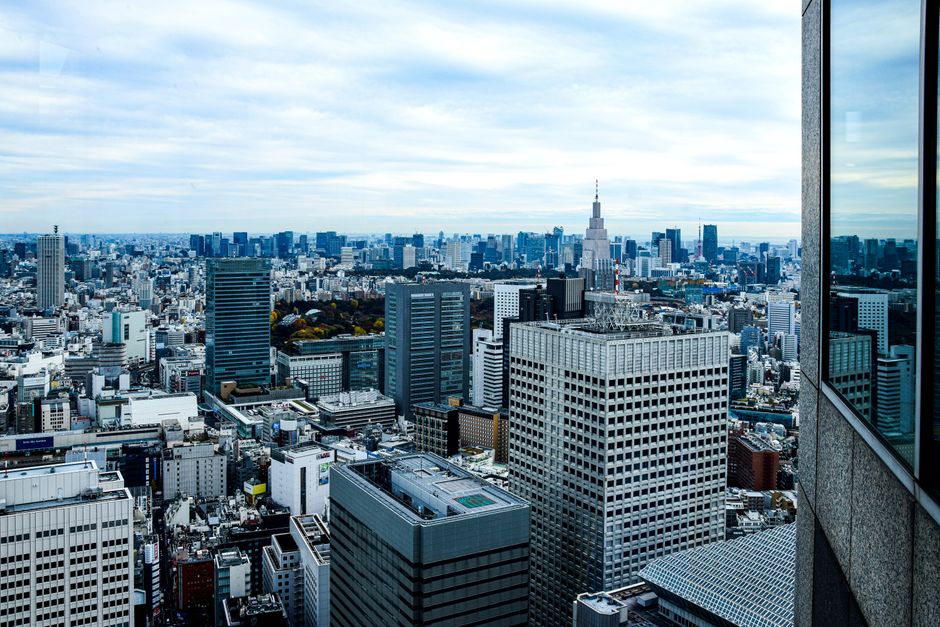
Tokyo's Metropolitan Government has fundamentally redrawn the rules for urban development, and the market is responding with surprising intensity. Since the Planning and Building Standards Amendment took effect in April, applications for mid-rise residential and mixed-use projects have surged 43% in outer wards, while prime Yamanote Line locations face fresh constraints designed to preserve character and manage density.
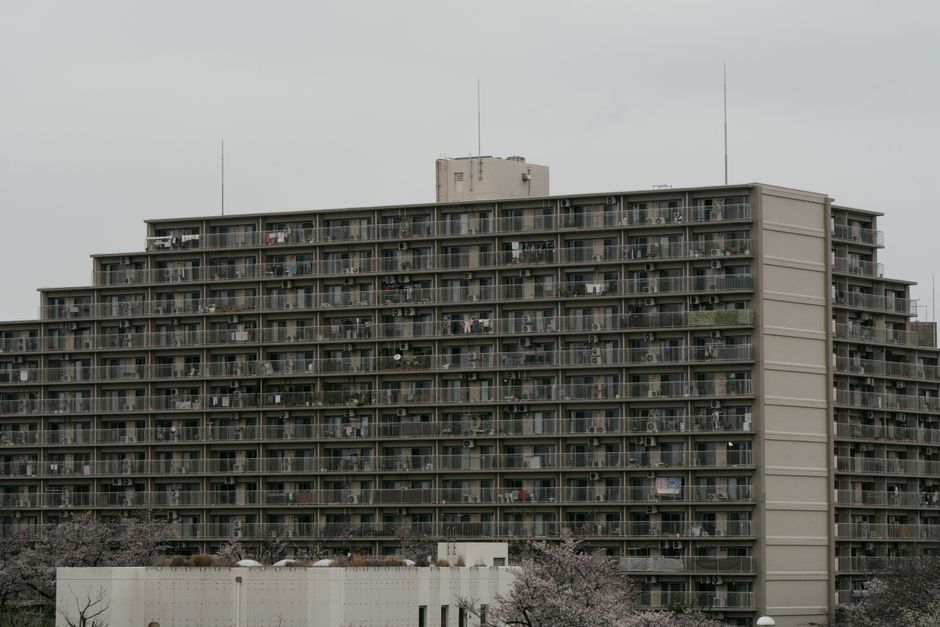
The policy shift—driven by vacancy concerns in ageing neighbourhoods and transport accessibility targets—has triggered a cascade of approvals that favour Musashino, Suginami, and eastern Edogawa over traditional CBD strongholds. Developers who spent years navigating Shibuya and Shinjuku's restrictive overlays are now pivoting capital toward Asagaya and Kichijoji corridors, where the new rules permit 15-storey residential towers on previously capped 10-storey lots.
"The economics have flipped," explains the trend evident in recent filings. A 3,000-square-metre parcel in Suginami's Shimizu neighbourhood, valued at ¥1.8 billion under old zoning, has seen comparable sites reappraised at ¥2.4 billion since the amendment. Mixed-use requirements—mandating 20% retail or community space in new residential builds—have initially added 8–12% to development costs, but early projects near Ogikubo Station are pre-leasing ground-floor units at premium rates, suggesting tenant appetite for integrated neighbourhoods.
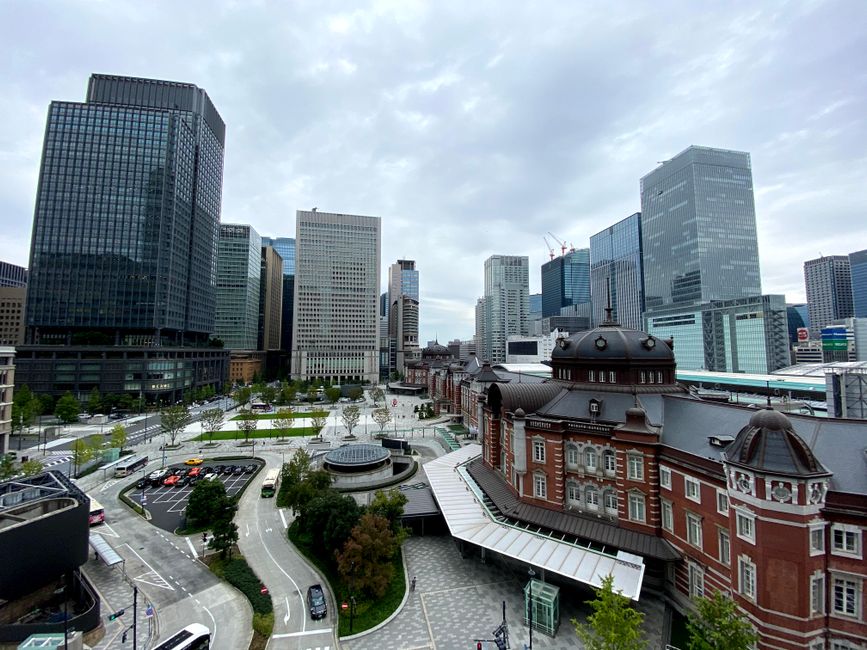
The Central Business District hasn't stalled entirely. Shibuya's Dogenzaka precinct and Shinjuku's Meiji-dori corridor remain active, but new projects now focus on renovation and adaptive reuse rather than greenfield demolition. The Tokyo Metropolitan Government's simultaneous heritage conservation incentives—tax breaks for preserving post-war commercial facades—have created niche opportunities for developers willing to work within existing street patterns.
Market data tells the story. Average asking prices in inner Yamanote wards have held steady around ¥55 million per property, but price growth has concentrated in outer metro locations: Musashino's average rose 7.2% year-on-year, Suginami 6.8%. Meanwhile, Shibuya and Minato posted 1.1% and 0.9% growth respectively—the smallest gains in five years.
The next test arrives in early 2027, when the second phase of amendments takes effect, extending height bonuses to transit-oriented developments within 500 metres of major stations. That could rebalance the equation, particularly along the Chuo Line and Keio corridors.
For buyers and investors, the lesson is clear: Tokyo's property playbook has rewritten itself. The question now isn't whether the Yamanote circle remains desirable—it does—but whether outer metro growth offers better value in a market where policy, not prestige, is increasingly pricing opportunity.
This article was compiled by AI from the sources linked above and screened before publishing. See our editorial standards.
How does this story make you feel?
Spread the word
About this article
Published by The Daily Tokyo
Daily brief
Free, in your inbox before 7am. Weekdays.
More in Property