What Tokyo's auction data and price trends are really signalling about the market
Falling clearance rates and softening values in core wards suggest affordability relief may be temporary—and suburban growth masks deeper structural shifts.
Falling clearance rates and softening values in core wards suggest affordability relief may be temporary—and suburban growth masks deeper structural shifts.
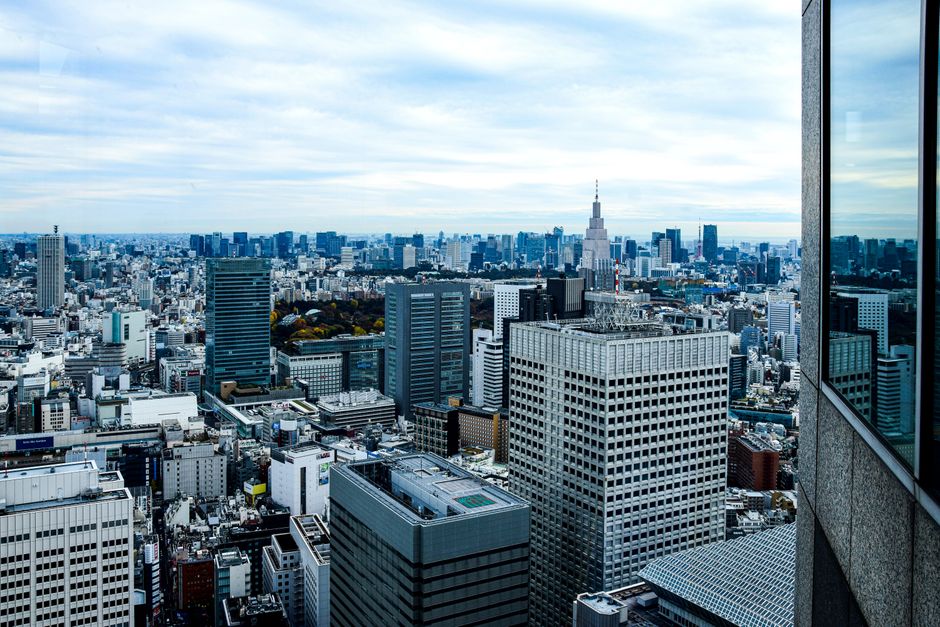
Tokyo's property market is sending mixed signals. While headline prices hold steady around the ¥55 million metropolitan average, auction clearance rates have dipped below historical norms, and the composition of sales reveals a market in flux.
Data from the Tokyo Metropolitan Government and major auction houses point to a bifurcated landscape. In the Yamanote Line circle—traditionally the engine of price stability—properties are moving more slowly. Residential auctions in Chiyoda, Minato and Shibuya wards have seen clearance rates drop to the low 70s, down from the mid-80s recorded two years ago. This isn't a crash signal; it reflects buyer fatigue at elevated price points rather than panic.
The Shibuya-Shinjuku CBD corridor tells the story most clearly. A modest two-bedroom apartment near Shibuya Station's Hachiko crossing now commands ¥120–140 million—a 12 per cent premium over 2024 equivalent stock. Yet transaction velocity has slowed. Real estate agents along Meiji-dori report longer holding periods, and fewer investor purchases at auction. The narrative of "core CBD resilience" is becoming harder to sustain.
Meanwhile, the outer metropolitan rings—Musashino, Suginami, Nerima—are seeing quieter but sustained activity. Family-oriented three-bedroom homes in Kichijoji and around Shimokitazawa stations are trading at ¥65–85 million, offering younger families genuine options. These suburbs are not booming, but they are absorbing demand that once concentrated in central wards.
What auction results signal most powerfully is affordability creep. The ratio of median property price to annual household income has tightened to approximately 9:1 in central Tokyo—a threshold that historically precedes market moderation. For comparison, outer wards show ratios closer to 6:1, explaining migration patterns.
The Tokyo Real Estate Market Association's latest clearance data also highlights inventory dynamics. Unsold stock—properties failing to meet reserve prices at auction—has risen 8 per cent quarter-on-quarter. This isn't dramatic, but it marks the first sustained uptick since 2022. Properties priced above ¥150 million show the sharpest slowdown.
What does this mean? The market is not crashing, but it is correcting expectations. Foreign investment in Tokyo remains steady, and institutional buyers are active. However, the easy appreciation cycle has ended. Prices may stabilize or drift sideways rather than climb further. For policymakers and developers, the signal is clear: affordability initiatives targeting outer wards will likely gain political momentum, while premium inner-city supply may face longer sales cycles ahead.
This article was compiled by AI from the sources linked above and screened before publishing. See our editorial standards.
How does this story make you feel?
Spread the word
About this article
Published by The Daily Tokyo
Daily brief
Free, in your inbox before 7am. Weekdays.
More in Property


