Tokyo's Yield Squeeze: What Property Returns Really Tell Investors in 2026
As average prices hover near ¥55 million, rental yields are tightening—and the numbers reveal a market increasingly driven by capital appreciation rather than cash flow.
As average prices hover near ¥55 million, rental yields are tightening—and the numbers reveal a market increasingly driven by capital appreciation rather than cash flow.
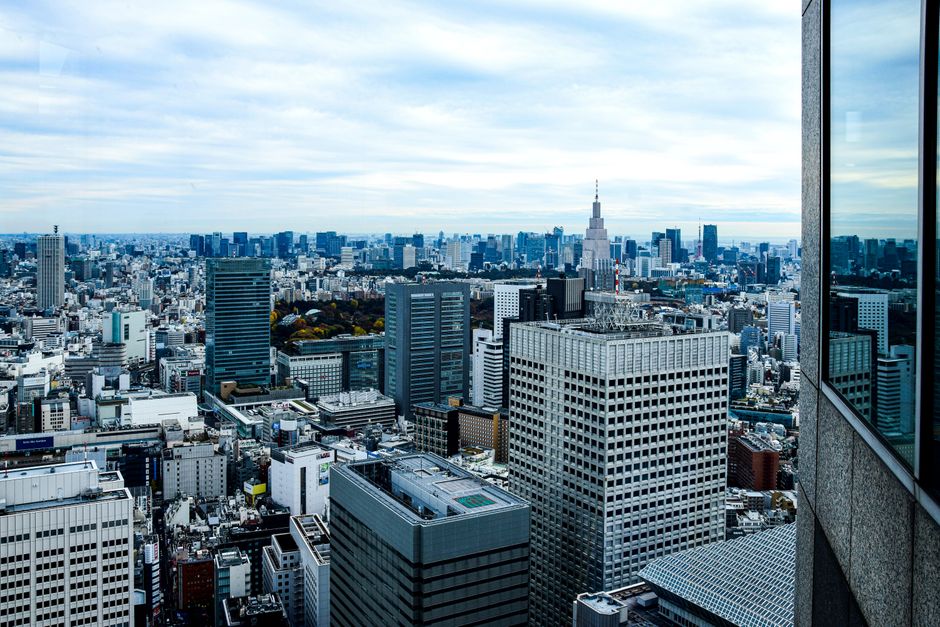
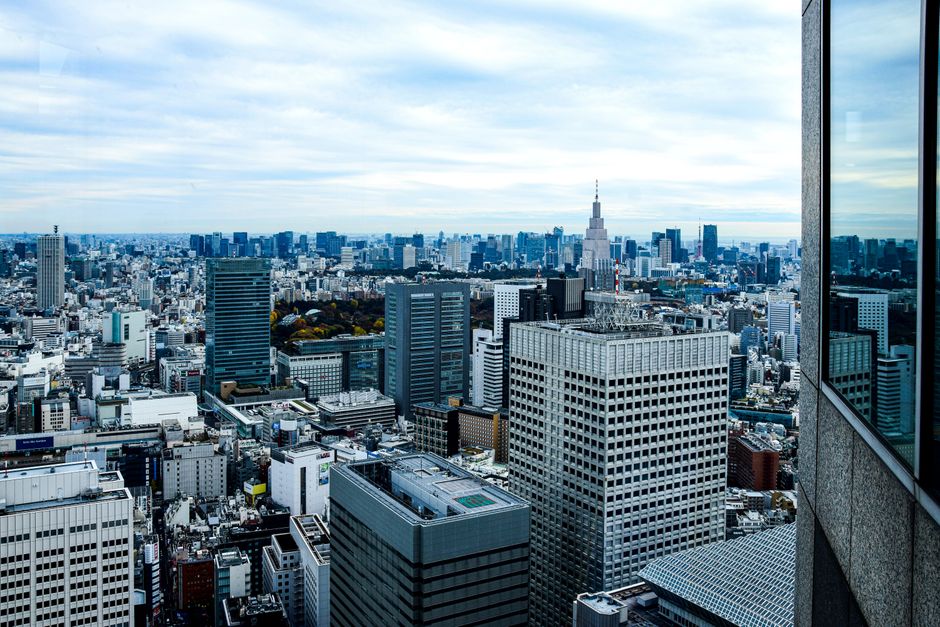
Tokyo's property market has long operated as a dual economy: owner-occupiers chasing lifestyle and proximity to the Yamanote Line loop, while investors hunt for yield. Today's data tells a complicated story about where returns actually live.
Across central wards—Shibuya, Shinjuku, and the broader CBD corridor—gross rental yields have compressed to 2.8–3.2 percent annually, according to residential transaction analysis tracked by major Japanese real estate firms. A ¥55 million apartment in Minato or Chiyoda generating ¥1.5–1.8 million in annual rent leaves little margin after maintenance, property tax, and vacancy allowance. That's before Tokyo's notoriously strict tenant protections and the cost of eventual renovations.
The numbers reveal where investors are actually making money: not through rent, but through capital gains. Properties in emerging zones—Musashino and Suginami—trade at lower entry points (¥35–42 million for comparable space) and command higher yields of 4.0–4.8 percent. Yet those same outer-metro neighborhoods have also seen the strongest price appreciation over the past three years, with annual gains averaging 6–7 percent as young families and remote workers migrate outward.
This creates a paradox. The Shibuya and Shinjuku CBD strongholds, where yields barely exceed inflation, continue attracting investor capital because price momentum persists. International funds and domestic institutions view these zones as liquid, branded assets—even at razor-thin returns. Meanwhile, middle-market investors pivoting to Suginami or Nakano are balancing modest but respectable yields with genuine growth potential.
The data also shows something subtler: stagnation in trophy segments. Ultra-premium properties along Roppongi Hills and the Marunouchi corridor have seen transaction volumes drop 18 percent year-on-year, even as asking prices remain sticky. For investors, that signals a crowded market with deteriorating liquidity—a warning sign in any economy.
Transaction data from the Real Estate Information Network shows the median investor holding period has extended to 8–10 years, up from 6 years a decade ago. That's not confidence; that's patience born of modest annual returns and a bet on long-term appreciation.
For prospective investors, the lesson is clear: Tokyo's headline affordability crisis—that ¥55 million average—masks highly fragmented returns. Central prestige zones offer stability and capital potential but vanishing yield. Outer metro neighborhoods offer real cash flow but demand conviction about demographic and infrastructure tailwinds. The market's message isn't that Tokyo is broken; it's that single-digit yields demand a long horizon.
This article was compiled by AI from the sources linked above and screened before publishing. See our editorial standards.
How does this story make you feel?
Spread the word
About this article
Published by The Daily Tokyo
Daily brief
Free, in your inbox before 7am. Weekdays.
More in Property