Tokyo Landlords Recalibrate as Policy Shifts Reshape Yield Prospects
New zoning rules and tax amendments are forcing property investors to rethink neighbourhood selection and long-term returns across the capital.
New zoning rules and tax amendments are forcing property investors to rethink neighbourhood selection and long-term returns across the capital.
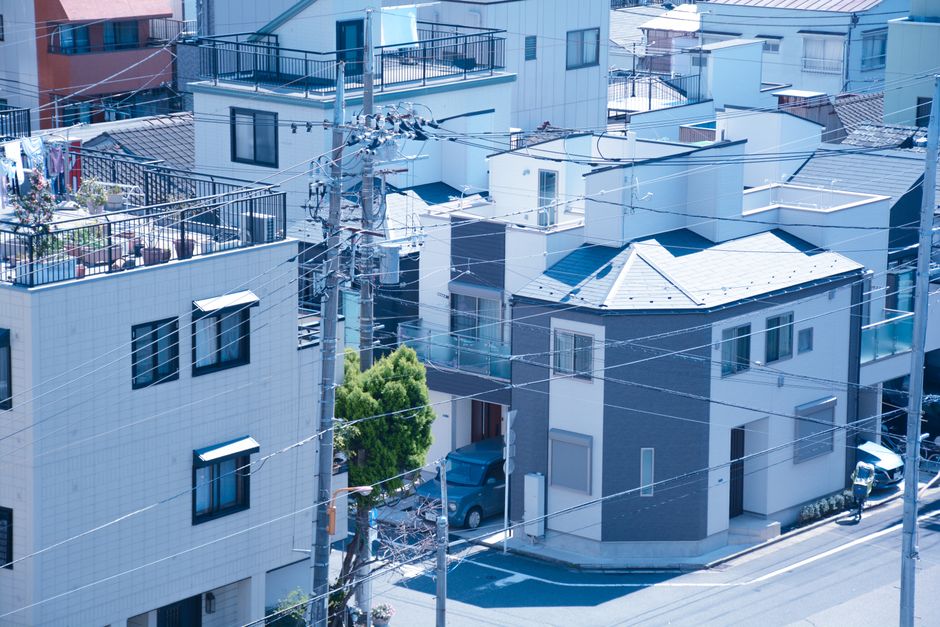
Tokyo's rental investment landscape is undergoing a significant reset. With the Tokyo Metropolitan Government's revised urban planning framework now in effect—tightening restrictions on conversion of residential stock to short-term accommodation—landlords face a recalibration of yield expectations that extends far beyond Shibuya and Shinjuku's saturated tourist zones.
The policy shift, implemented in April 2026, effectively caps new minpaku registrations in designated residential neighbourhoods while incentivising long-term tenant arrangements through revised depreciation schedules. For investors holding property across central wards, the mathematics have shifted noticeably. Average gross yields in Minato and Chiyoda—traditionally hovering between 3.2 and 3.8 percent—now compete directly with outer metropolitan alternatives previously considered second-tier.
Musashino and Suginami, long favoured by family-focused investors, are emerging as unlikely beneficiaries. The policy inadvertently channels capital toward mid-ring suburbs where zoning permits mixed-use development and where the Yamanote Line's accessibility remains intact. Property values here have stabilised near JPY 45–50 million for standard two-bedroom units, with landlords reporting net yields climbing toward 4.1 percent—a meaningful differential when factored across decades of ownership.
On Omotesandō and around Harajuku station, where premium residential conversion has historically commanded attention, investors now face longer tenant acquisition timelines and reduced leverage opportunities. The metropolitan authority's simultaneous introduction of mandatory seismic retrofit incentives has also altered holding costs, particularly for buildings constructed before 1981.
Savvy operators are adapting their strategy. Some are pivoting toward older apartment blocks in Nakano and Koenji—neighbourhoods with younger demographic inflow and lower acquisition barriers—where policy support for renovation actually reduces long-term maintenance exposure. Others are extending holding periods and emphasising tenant stability over turnover velocity, a structural change that reverses two decades of yield-chasing behaviour.
The message for incoming investors is clear: neighbourhood selection now demands closer scrutiny of municipal planning horizons, not just current rental rates. A property near Shinjuku Station may command prestige, but planning restrictions on short-term rentals compress upside. Conversely, Itabashi or Edogawa wards, where zoning encourages residential density, offer steadier long-term appreciation alongside regulatory tailwinds.
Tokyo's average property price remains anchored near JPY 55 million, but the variance in yield now reflects policy geography as much as location prestige. For landlords seeking sustainable returns in 2026 and beyond, understanding the fine print of Tokyo's planning amendments has become as essential as understanding transit access.
This article was compiled by AI from the sources linked above and screened before publishing. See our editorial standards.
How does this story make you feel?
Spread the word
About this article
Published by The Daily Tokyo
Daily brief
Free, in your inbox before 7am. Weekdays.
More in Property