Zoning Shifts and Transit Plans Reshape Tokyo's Investment Map
As the Metropolitan Government redraws planning boundaries, savvy investors are already repositioning themselves in emerging hotspots beyond the traditional Yamanote premium.
As the Metropolitan Government redraws planning boundaries, savvy investors are already repositioning themselves in emerging hotspots beyond the traditional Yamanote premium.
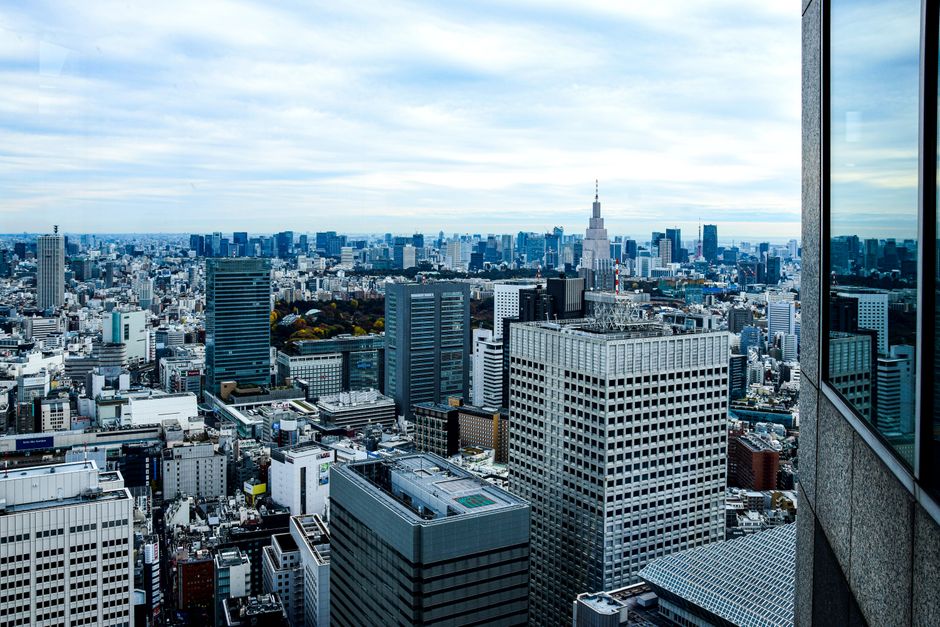
Tokyo's property market has long operated within predictable rhythms: Shibuya and Shinjuku command premium rates around ¥7–9 million per square metre, while family-oriented Musashino and Suginami hold steady in the ¥4–5 million range. But a series of policy decisions implemented by the Tokyo Metropolitan Government over the past 18 months has created unexpected opportunities in overlooked corridors, fundamentally reshaping where investors are placing their capital.
The most significant catalyst came in late 2025, when revised zoning regulations for Itabashi ward opened mixed-use development along the Kasuga Dori thoroughfare. Previously restricted to residential and small commercial use, the corridor now permits mid-rise hotels, serviced apartments and office buildings. Property values in the Itabashi 3-chome and 4-chome districts have responded accordingly, with average prices climbing 12 per cent year-on-year—outpacing the broader metro average of 3.4 per cent.
Equally significant, the government's announcement of the extended Fukutoshin Line's western expansion, with completion now scheduled for 2029, has triggered early-stage investment in Saitama's adjacent Kawagoe and Asaka wards. Developers anticipate these areas will transform from bedroom communities into genuine mixed-use nodes, with land acquisition accelerating ahead of final route confirmation.
Meanwhile, stricter regulations on short-term rental properties across central wards have inadvertently boosted demand for whole-apartment conversions and corporate housing stock. Investors who previously juggled Airbnb portfolios are now repositioning assets toward longer-lease models, particularly in Suginami's Ogikubo and Kichijoji precincts, where stable rental yields of 3.5–4.2 per cent have become competitive again after years of single-digit returns.
The Tokyo Metropolitan Government's 2026 sustainability mandate, requiring new residential projects above 5,000 square metres to incorporate green space and renewable energy systems, has also compressed margins for small developers. This has accelerated consolidation, with larger firms acquiring smaller plots at modest premiums to bundle them into compliant mega-projects—a dynamic particularly visible across Nakano and Shinjuku's western sectors.
The average Tokyo property price sits near ¥55 million, but the real opportunity now lies not in headlines around celebrity-driven deals or crisis interventions. Rather, it's in reading the policy fine print: those who identified Itabashi's zoning shift early have already recouped the transaction costs. As the Fukutoshin extension progresses and sustainability mandates reshape development patterns, the next phase of Tokyo's property cycle will reward those monitoring the Metropolitan Government's planning department as closely as they watch interest rates.
This article was compiled by AI from the sources linked above and screened before publishing. See our editorial standards.
How does this story make you feel?
Spread the word
About this article
Published by The Daily Tokyo
Daily brief
Free, in your inbox before 7am. Weekdays.
More in Property


