First-Time Buyers' Guide: Reading Tokyo's Rental Market Signals Before You Commit
Rising vacancy rates across inner-ring neighbourhoods are reshaping purchase decisions—here's what savvy newcomers need to know.
Rising vacancy rates across inner-ring neighbourhoods are reshaping purchase decisions—here's what savvy newcomers need to know.
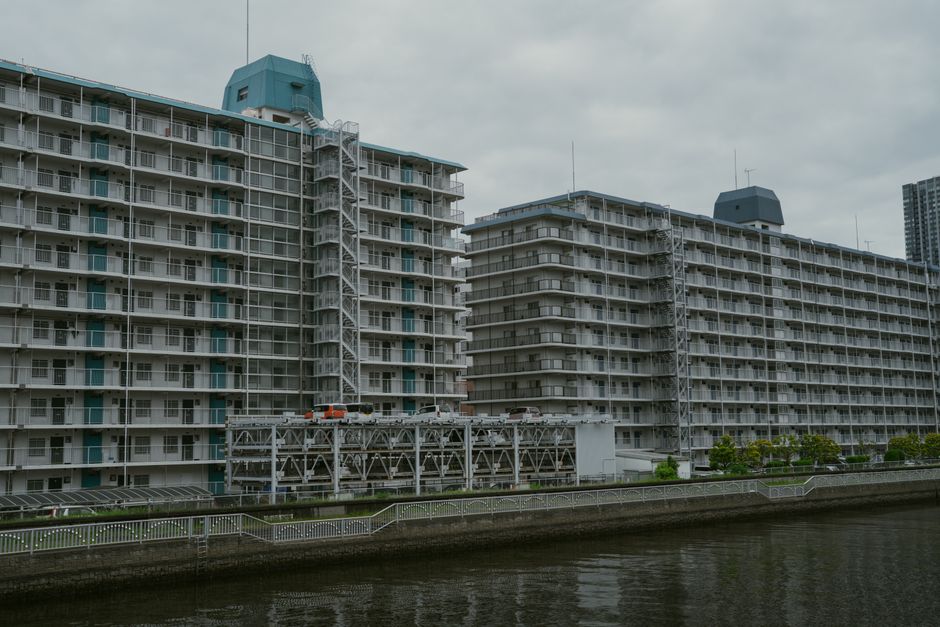
Tokyo's rental vacancy rate has climbed to 23.5% this quarter, the highest in five years, and first-time buyers are right to pay attention. Whether you're considering an owner-occupied apartment in Musashino or an investment property near Shinjuku Station, understanding vacancy trends isn't academic—it's the difference between a sound long-term purchase and an expensive mistake.
The data tells a clear story. While Yamanote Line circle neighbourhoods remain competitive, outer metro zones like Suginami and Nakano are experiencing softer demand. A one-bedroom apartment in Suginami's Eikando area, formerly a reliable rental asset averaging ¥8.5M, now sits vacant longer than the historical 45-day turnover. Conversely, properties within walking distance of Shibuya Station or Shinjuku's east exit continue to command premiums, with average purchase prices holding steady around ¥65M for comparable units.
For first-time buyers, the lesson is location-dependent strategy. If you're purchasing in a family-popular zone like Musashino—where the market average hovers near ¥55M—your rental income potential depends heavily on proximity to schools and parks, not just transport. Properties near Inokashira Park or along the Ome Kaido shopping street attract stable, longer-term tenants. That stability matters when mortgage repayments depend on rental yield.
The rental vacancy spike also reveals neighbourhood-specific weakness. Several new apartment complexes near Ikebukuro's northern precincts report move-in incentives—a red flag that suggested growth corridors may have overbuilt. Conversely, mixed-use redevelopment zones around Roppongi Hills and Midtown maintain tight vacancy, though entry prices start above ¥120M.
Practical guidance: engage a local real estate agent who tracks neighbourhood data granularly. Generic Tokyo statistics obscure crucial variation. Request three-year vacancy trends for your target block, not just the ward average. Many agents access Japan Real Estate Institute data; ask to review it.
Second, attend open houses during off-peak days—Tuesday or Thursday mornings. This reveals genuine foot traffic versus staged viewing activity. If a property has been listed for over 120 days, vacancy data may explain why.
Finally, stress-test your purchase assumption. If you're buying for owner-occupation, vacancy matters less. But if you're purchasing as an investment or planning future relocation, ensure your monthly mortgage sits comfortably below realistic rent projections in your chosen area. With rates and regulation reshaping Tokyo's property cycle, that cushion has never been more important.
First-time buyers who read the rental market before signing are building equity, not gambling on appreciation.
This article was compiled by AI from the sources linked above and screened before publishing. See our editorial standards.
How does this story make you feel?
Spread the word
About this article
Published by The Daily Tokyo
Daily brief
Free, in your inbox before 7am. Weekdays.
More in Property


