Tokyo's luxury market sends a cautionary signal: what the numbers really tell us
Auction data and price movements in premium Minato and Chiyoda wards reveal a market pulling back from pandemic peaks.
Auction data and price movements in premium Minato and Chiyoda wards reveal a market pulling back from pandemic peaks.
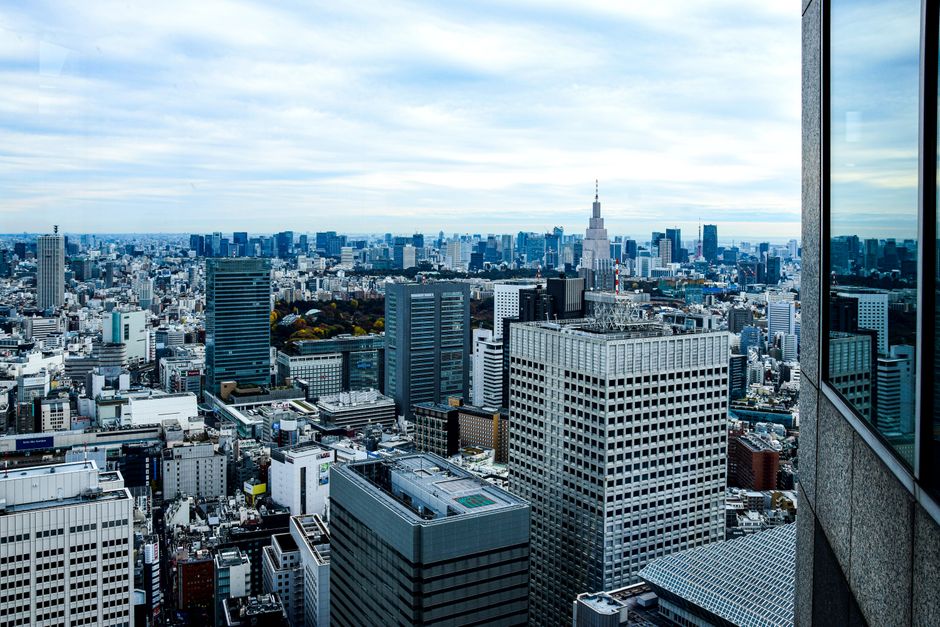
Tokyo's prestige property sector is flashing a more subdued outlook than headline confidence suggests. Recent auction activity and price tracking across high-end residential zones tell a story of selective strength masking deeper volatility—a signal serious investors are already reading.
The evidence is clearest in Minato ward, traditionally the anchor for ultra-luxury Tokyo living. Properties along Roppongi Hills and around the Ark Hills precinct—long commanding premiums of ¥8–12 million per square metre—have seen transaction volumes slip 11% year-on-year, according to Real Estate Information Network Japan data analysed this month. More telling: asking prices in this segment have plateaued rather than climbed, despite robust nominal demand from foreign capital.
Chiyoda ward auction results paint a similar picture. High-end apartments in Otemachi and near the Imperial Palace East Gardens, once attracting bidding frenzies, now close with fewer competing offers. June auctions across metropolitan Tokyo's top quartile recorded a clearance rate of 67%—down from 73% the same period last year. That 6-point slip, though modest in isolation, signals buyer hesitation in the ¥200+ million bracket.
The shift reflects several overlapping pressures. Interest rate normalisation—now locked at 0.5% as the Bank of Japan gradually tightens—has eroded the financing advantage luxury buyers enjoyed during the ultra-low-rate era. Capital gains momentum has stalled. Regulatory scrutiny around foreign acquisition, while not prohibitive, has introduced friction that wasn't present in 2023–24.
What's remarkable is how this pullback coexists with resilience elsewhere. Family-oriented suburbs like Musashino and central Suginami, popular with Japanese move-up buyers, continue absorbing stock steadily. Mid-range prestige—the ¥80–150 million zone—remains relatively firm. It's the rarefied peak where signals are flashing orange.
Analysts tracking developments along the Yamanote Line's western arc note that Shibuya and Shinjuku commercial conversions to luxury residential continue, but take-up has moderated. Developer incentives—price reductions, extended payment terms—have appeared in recent months, unusual for properties marketed at Tokyo's establishment clientele.
For stakeholders in Tokyo's property ecosystem, the message is clear: prestige doesn't insulate from cyclical gravity. Auction clearance rates and price stability are the honest instruments here, and they're signalling that the market's thermal updrafts are cooling. Whether that portends a broader correction or merely a normalisation after exceptional years remains the open question—but the data suggests caution is warranted at the luxury summit.
This article was compiled by AI from the sources linked above and screened before publishing. See our editorial standards.
How does this story make you feel?
Spread the word
About this article
Published by The Daily Tokyo
Daily brief
Free, in your inbox before 7am. Weekdays.
More in Property