First-Time Tokyo Buyer's Guide: Navigating Affordable Housing Policy in 2026
New government schemes and social housing initiatives are reshaping entry points for young Tokyoites—here's how to access them.
New government schemes and social housing initiatives are reshaping entry points for young Tokyoites—here's how to access them.
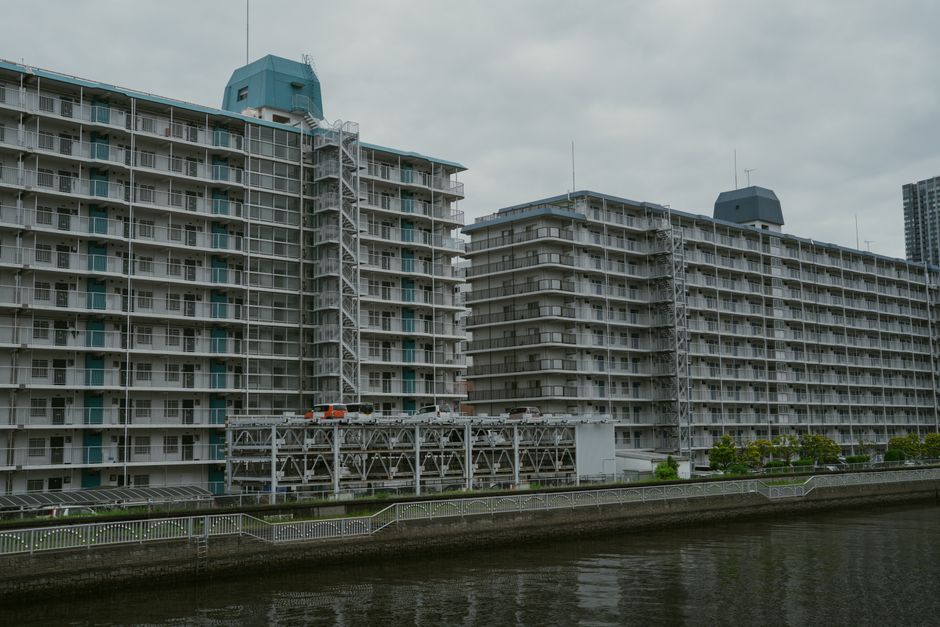
The Tokyo property market has long felt forbidding to first-time buyers. With average prices hovering around ¥55 million, most young professionals have watched from the sidelines. But 2026 is bringing substantive change through expanded affordable housing programmes that warrant serious attention.
The Metropolitan Government's latest initiative focuses on designated 'first-buyer corridors' along the Yamanote Line's outer arc and into Suginami and Musashino wards. Properties here—typically ¥25–38 million—now qualify for extended loan-to-value ratios and reduced interest rates through partnered banks. The Suginami Ward Housing Support Centre, located near Ogikubo Station, has emerged as the central hub for navigating these schemes. Staff there can walk you through income qualification thresholds and help identify eligible properties within your commute radius.
Social housing itself is expanding. The Tokyo Metropolitan Housing Supply Corporation has released 420 units across three new complexes: Koenji, Nakano, and Musashino. While draw rates are competitive, the application process has streamlined considerably. Unlike previous years' Byzantine documentation requirements, applicants now submit primarily digital portfolios. Monthly rents start at ¥70,000 for studios—substantially below market comparables.
For those preferring ownership, the UR Homes programme (distinct from rental UR apartments) offers sub-market pricing on select properties. Neighbourhood selections skew toward emerging zones: Shimokitazawa's redevelopment corridor, parts of Setagaya south of the Odakyu Line, and expanding clusters in Nakano-ku near the Ome Kaido. Prices typically undercut surrounding areas by 15–20 percent.
However, pitfalls remain. Some first-timers conflate social housing eligibility with property purchase readiness. Building society requirements—deposits, credit history, stable employment history spanning two years—remain strict. The Japan Housing Finance Agency website now hosts interactive calculators tailored to individual profiles, eliminating previous guesswork.
Critically, understand the difference between ownership-path and rental-path schemes. Social housing offers stability but no equity accumulation. UR Homes and government-backed mortgages build wealth but demand larger initial capital. Suginami Ward residents gravitating toward family homes might find better value in the outer metro than in Shibuya or Shinjuku CBD zones, where the average remains untouchable for most entry-level buyers.
The moment is real, but preparation is essential. Begin by visiting the Suginami Housing Support Centre or logging into the Tokyo Metropolitan Government portal. Then honestly assess your timeline, savings capacity, and employment stability. The 2026 window is open—but only for those ready to move decisively.
This article was compiled by AI from the sources linked above and screened before publishing. See our editorial standards.
How does this story make you feel?
Spread the word
About this article
Published by The Daily Tokyo
Daily brief
Free, in your inbox before 7am. Weekdays.
More in Property