Tokyo's New-Build Boom Delivers: What Investor Yields Actually Show
As residential developments surge across the capital, data reveals which neighbourhoods are generating real returns for property investors.
As residential developments surge across the capital, data reveals which neighbourhoods are generating real returns for property investors.
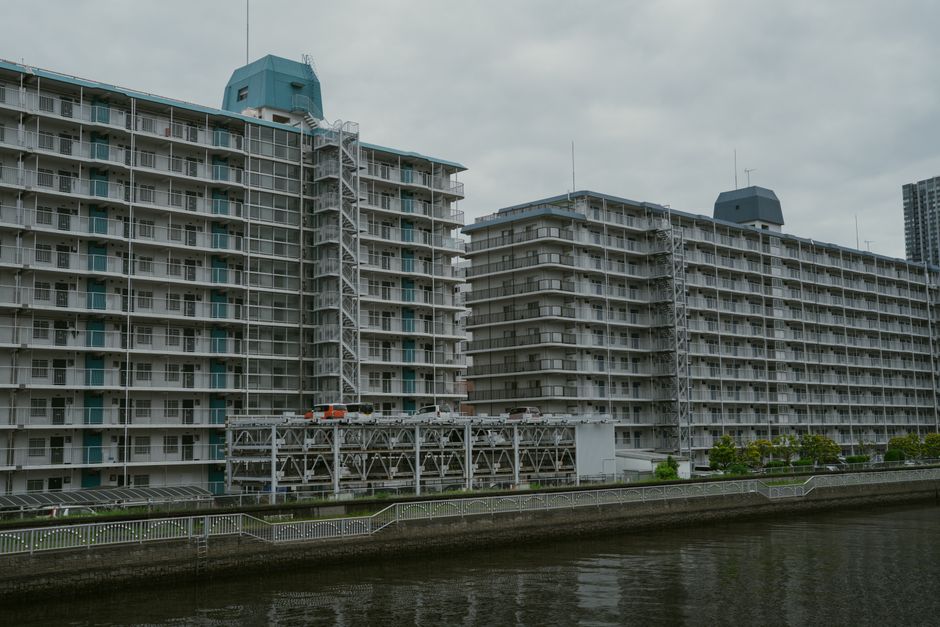
Tokyo's construction pipeline is firing on all cylinders. The Tokyo Metropolitan Government's latest approvals data shows residential starts up 14% year-on-year, with major developments clustered around transport hubs and emerging employment zones. For investors watching the market, the question has shifted from whether to build, to where—and what returns those projects are actually generating.
The numbers paint a clear picture. Properties in mixed-use developments along the Chiyoda Line's eastern extension—particularly near Kiyosumi-Shirakawa and Tsukiji—are yielding gross rental returns of 4.2% to 4.8%, according to data tracked by major real estate agents tracking new-completion portfolios. That's a meaningful shift upward from 2024's 3.6% average for comparable stock, driven by demand from both domestic investors and international buyers seeking stable income streams.
The real story, though, sits in the outer metro ring. Suginami Ward's recent approval of three mid-rise residential complexes near Asagaya Station reflects a broader investor awakening. While central Shibuya and Shinjuku command prestige premiums, newer developments in family-popular zones are capturing yield-conscious capital. A 50-unit project completed in early 2026 near Nakano Station is reporting 5.1% gross yields—a notable premium over Yamanote Line properties trading at 3.8% to 4.2%.
What's driving this divergence? Supply and affordability dynamics. Average prices in central wards hover near the metropolitan median of ¥55 million, limiting tenant accessibility. Outer developments—priced ¥38 million to ¥48 million—attract younger professionals, families, and investors seeking longer-term capital appreciation with stronger interim cash flow. The approval surge in Musashino and neighbouring Mitaka reflects planners' recognition of this demand.
Construction timelines matter too. Projects with completion dates through 2028 are locking in pre-completion investor positions at yields 30 to 60 basis points higher than equivalent completed stock—a gap that typically narrows on handover. Savvy investors are backing longer-construction timelines in emerging micro-centres, betting on both yield and capital growth as train connectivity and commercial hubs mature.
The Tokyo Development Council's latest zoning approvals suggest this pattern will persist. Planned developments in Chiba's western corridor, benefiting from new Sobu Line express service, are attracting institutional capital seeking 5%+ returns—rates uncommon in central Tokyo for a decade.
For investors tracking Tokyo's approval pipeline, the message is clear: headline construction numbers matter less than location and completion timing. The yield window for new builds remains open—but it's closing fastest in the neighbourhoods that planners have already identified as tomorrow's commuter hubs.
This article was compiled by AI from the sources linked above and screened before publishing. See our editorial standards.
How does this story make you feel?
Spread the word
About this article
Published by The Daily Tokyo
Daily brief
Free, in your inbox before 7am. Weekdays.
More in Property


