New Build, New Rules: A First-Timer's Guide to Tokyo's Construction Boom
With approvals surging across the metro, understanding where developments are happening—and why—is now essential for buyers entering the market.
With approvals surging across the metro, understanding where developments are happening—and why—is now essential for buyers entering the market.
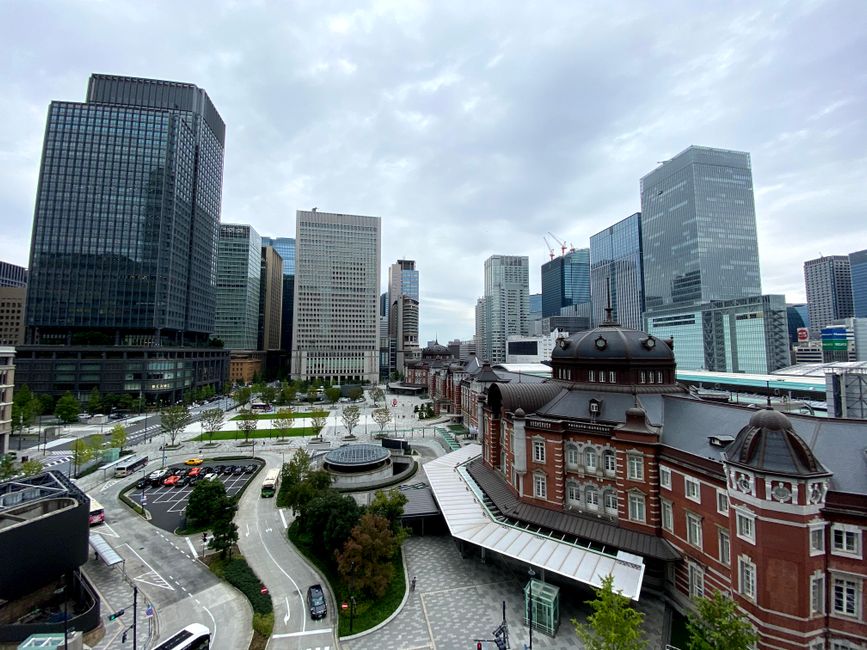
Tokyo's property market is in the midst of a construction renaissance. From Shibuya's ongoing high-rise reshaping to mid-rise residential clusters sprouting across Suginami and Musashino, first-time buyers face both opportunity and complexity. The key is knowing where to look and what approvals mean for your investment timeline and neighbourhood character.
The most dramatic activity remains concentrated around the Yamanote Line circle and CBD corridors. Shibuya and Shinjuku continue commanding premiums—averaging around ¥55 million across the wider Tokyo market—but new approvals have shifted focus eastward and outward. Chiyoda ward's recent residential approvals near Akihabara represent a calculated push to activate mixed-use districts beyond pure commerce. Meanwhile, family-focused neighbourhoods like Musashino and Suginami are seeing mid-rise apartment blocks approved along major transit arteries: Ome Kaido in Suginami and Miyuki-dori in Musashino have emerged as hotspots for developers targeting young families seeking affordability without sacrificing access.
For first-timers, understanding the approval timeline matters enormously. Tokyo Metropolitan Government's recent streamlining of zoning permits—reducing some environmental review cycles from 18 months to 12—has accelerated shovel-ready projects. However, this doesn't mean faster completion. A new apartment building in Ikebukuro approved today may not hand over keys until 2028. Buyers should request developers' completion certificates (竣工予定) and check the Tokyo Metropolitan Government's publicly accessible construction notification database before committing.
The distinction between pre-construction and turnkey purchases is critical. Buying off-plan from a major developer like Mitsui Fudosan or Leopalace offers price certainty and often financing advantages, but locks in long waiting periods. Completed new builds command 5–15% premiums over equivalent resale stock but arrive ready for immediate occupancy.
Location strategy has shifted. The outer metro—particularly areas within 30 minutes of Shinjuku via the Chuo or Sobu lines—has attracted developer attention. Nakano and Koenji's recent approvals reflect a 'second-ring' investment thesis: younger, less saturated, more affordable. Expect ¥35–45 million for a new two-bedroom apartment here, versus ¥60–75 million in established Shibuya neighbourhoods.
Before signing, buyers should verify: Is the site contaminated? (Check Kanto Regional Environment Bureau records.) Who's the developer's track record? Does the building plan include management longevity—a critical detail often overlooked by newcomers? Finally, confirm what approvals remain outstanding. A development with zoning approval but pending environmental clearance carries hidden risk.
The current cycle rewards informed patience. Tokyo's construction pipeline suggests 2026–2028 will remain a buyer's window, particularly for those willing to look beyond the Yamanote circle.
This article was compiled by AI from the sources linked above and screened before publishing. See our editorial standards.
How does this story make you feel?
Spread the word
About this article
Published by The Daily Tokyo
Daily brief
Free, in your inbox before 7am. Weekdays.
More in Property